The militia system is criticized far and wide. However, its critics miss its own logic, which, along with federalism and direct democracy, contributes to the institutional construction of Switzerland, and thus to the country's identity.
The idea that knowledge is never definitive has been distorted, paving the way for truths falsely described as alternatives. Could the acceptance of permanent questioning, based on the dialectical construction of truth, offer a way out?
Since Russia's invasion of Ukraine, interest in military issues has grown, including in Switzerland. This is an opportunity to take a closer look at the history of the Swiss army and the way it has reconciled military objectives with democratic imperatives. A book invites us to do so.
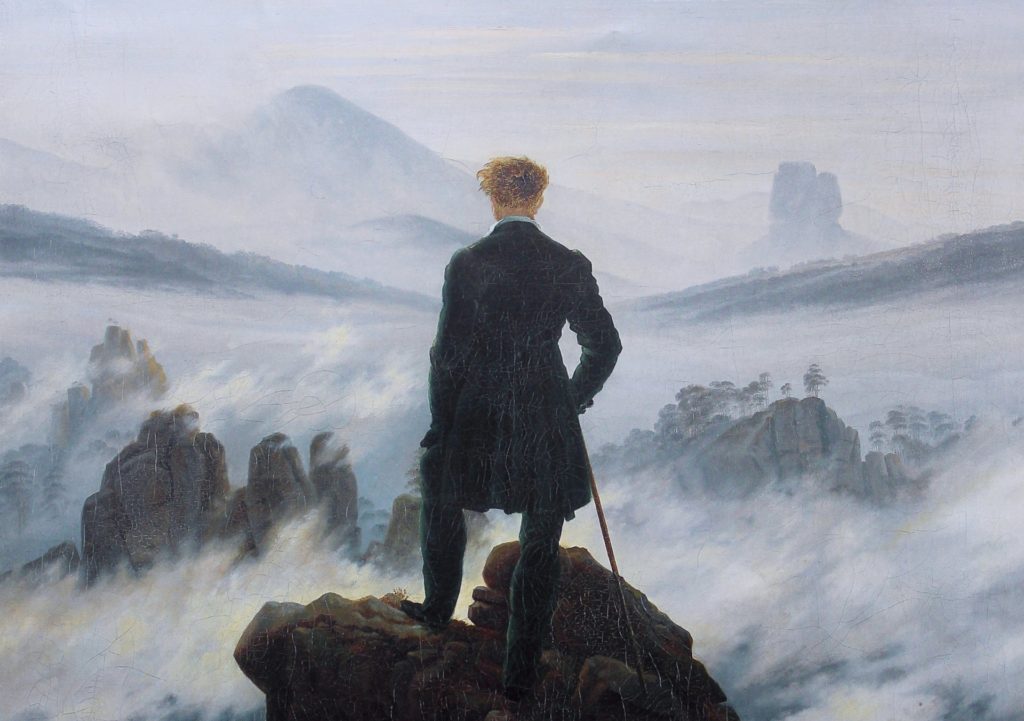
Caspar David Friedrich, whose memory is being celebrated this year, elevated nature, that great Whole of which humans are only a part, to the status of counterweight to triumphant rationalism. He reveals himself as a thinker of this founding antagonism of our modernity.
The idea of the nation has a long history, and has established itself as the natural place for the construction of individual freedom. But it loses its identity-building value as soon as it acquires a quasi-religious dimension. It is possible to extricate ourselves from this fatal trap.
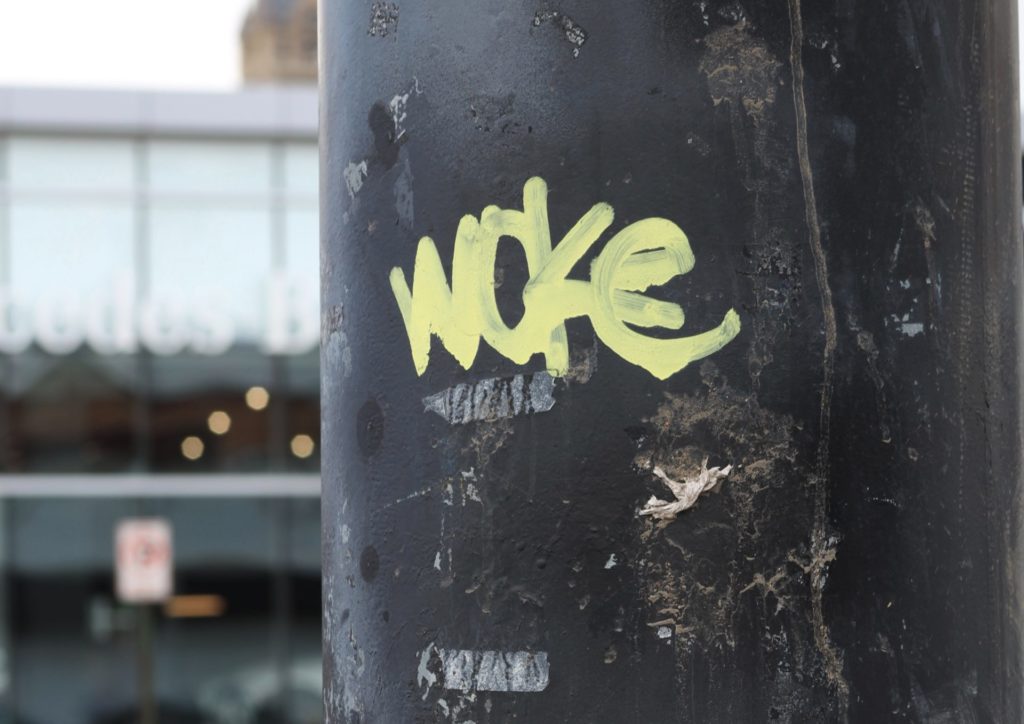
2014-2023, the decade of all dangers. All the truths that were thought to have been anchored in people's minds with the end of the Cold War have exploded. Nothing is true anymore, no value seems to serve as a compass... A time to rethink the future?
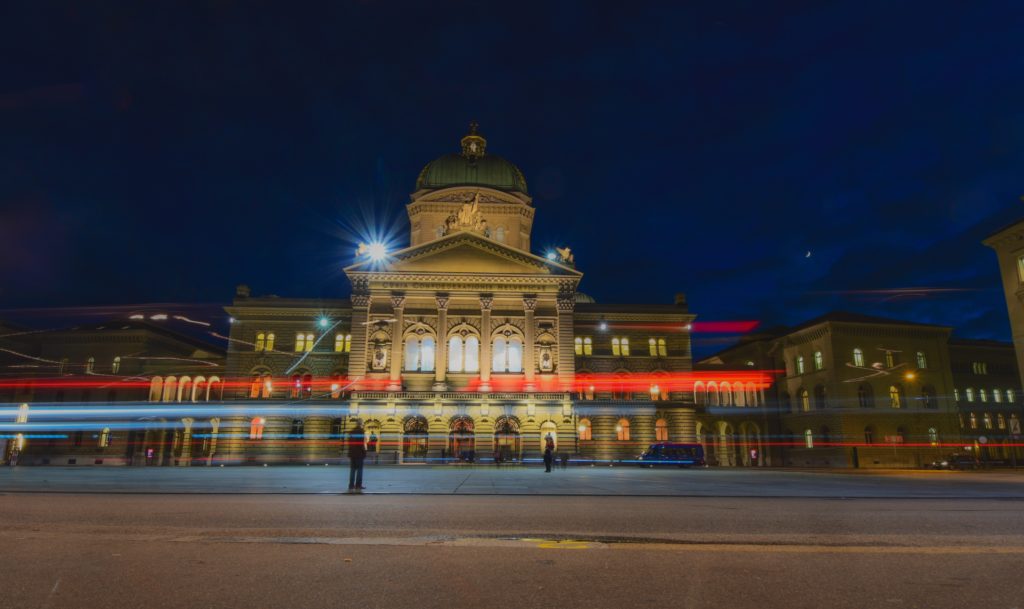
The history of Swiss political parties is rich and complex. However, it reveals a certain continuity through which they learn to renew themselves as direct democracy, and the evolution of society it often reflects, impose new themes on their agendas.
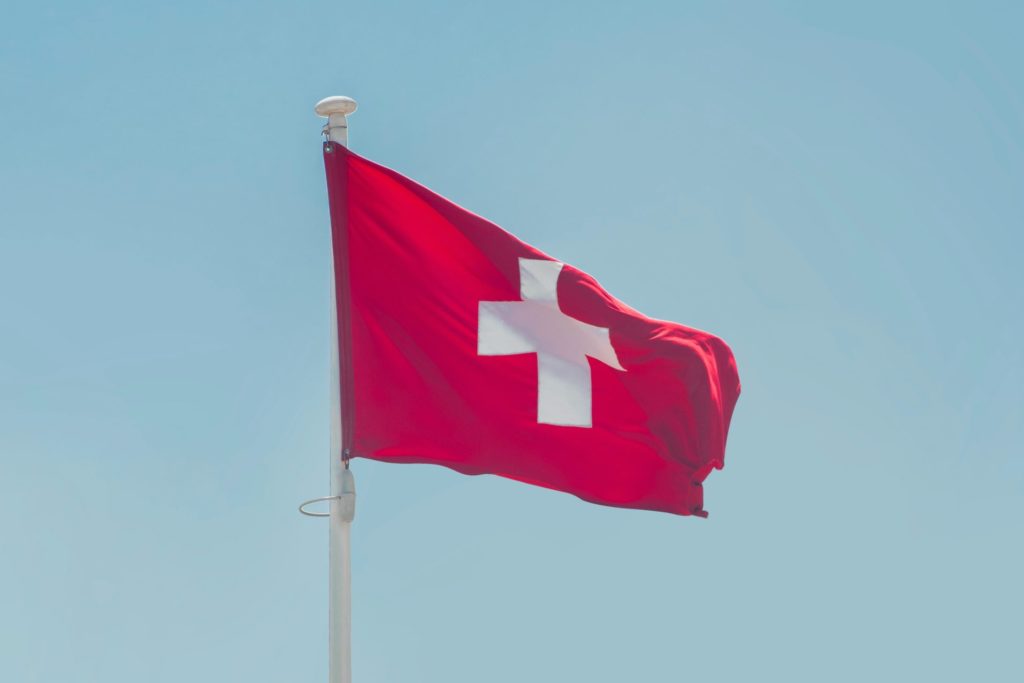
Neutrality has never been subject to a corseted definition. Its entire history demonstrates this. It depends on the goodwill of the other powers, and only makes sense if it is understood in the context of the moment.
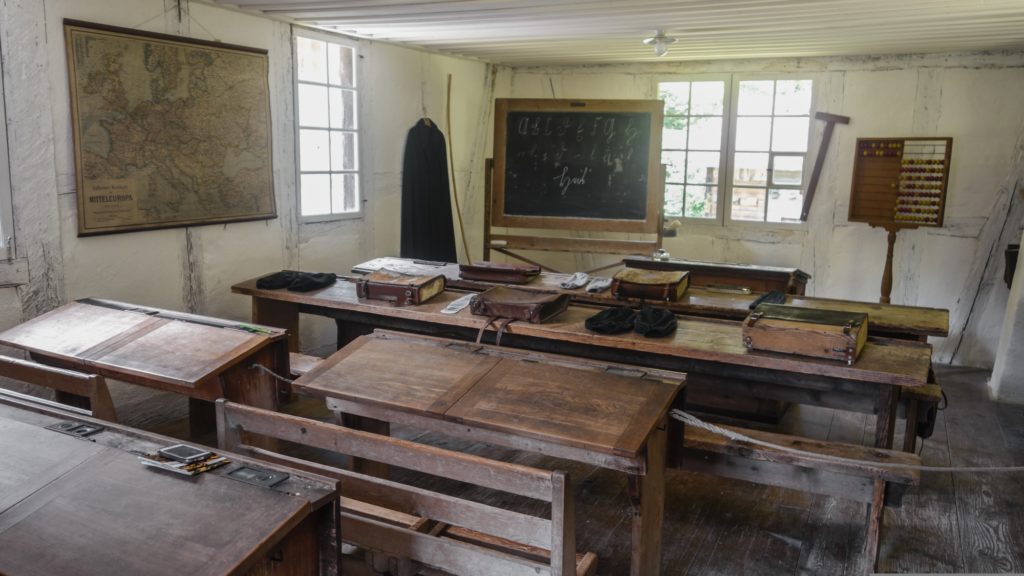
Everyone dreams of a school free of political influence. But isn't that just wishful thinking? History reminds us that it is through schools that the future of a society is at stake. In Switzerland, it was even through politics that peace was achieved.






 French
  German
  English