



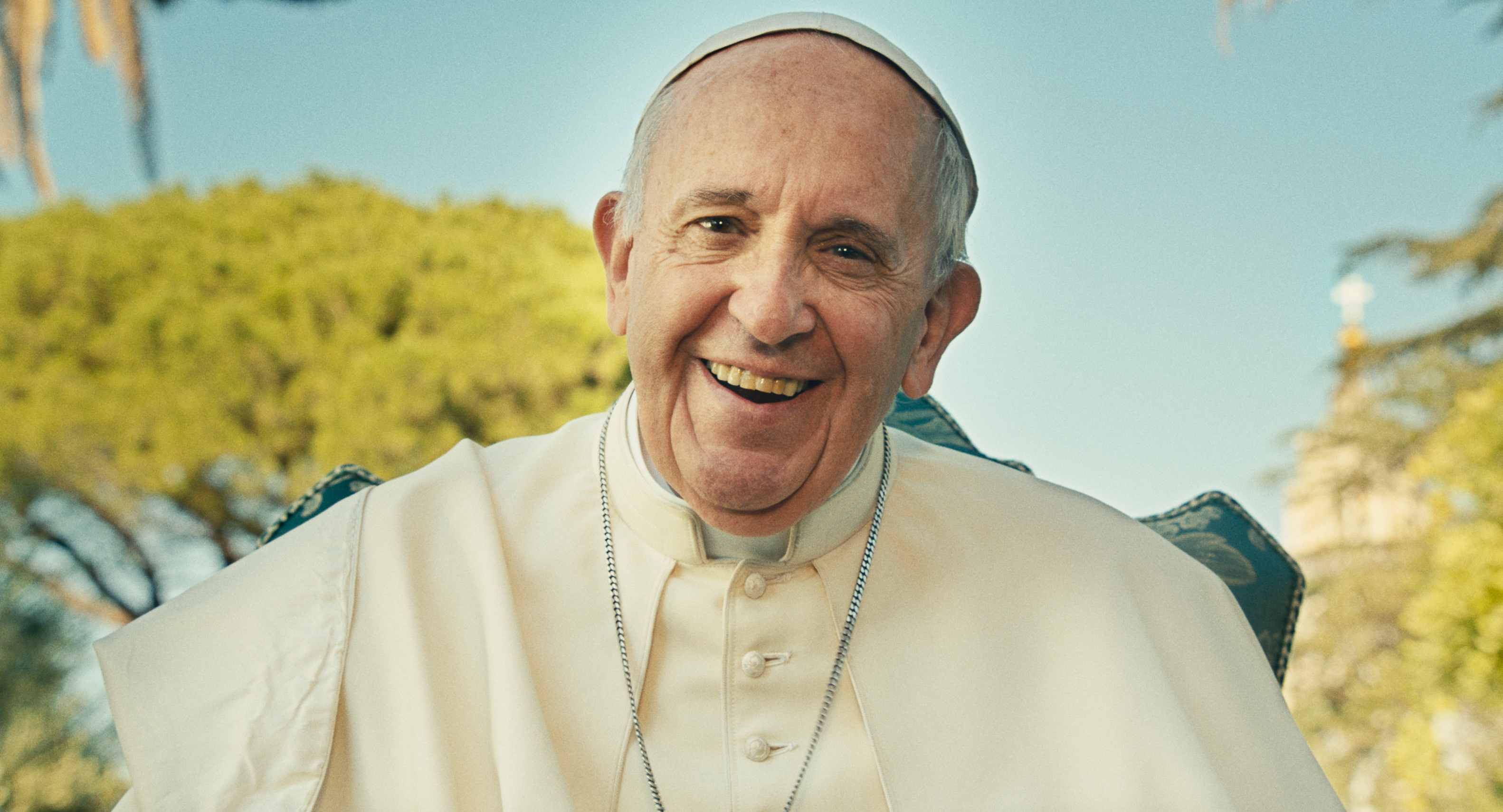
«Pope Francis: A man of his word»
Cinema Wednesdays - Loris S. Musumeci
«François, go and repair my house. It's falling apart.»
Pope Francis: A man of his wordThe form is surprising. We did expect a documentary, as advertised everywhere, but not the recovery of archive footage of virtually all of Pope Francis's travels - and even the speeches of the man he was before sitting in Rome, namely Archbishop Bergoglio. Nor did we think that the Holy Father himself would take part in the film, giving himself up to Wim Wenders' camera in an interview.
The documentary develops along three axes. The first is the voice-over. The director first tells the story of Francis, the saint, before moving on to Francis, the pope. The anchor point is Assisi, from where the sequences start and return to mark the parallel between Saint Francis and Pope Francis. Obviously, this axis is minor in duration compared to the rest, yet its presence is essential.
In this way, the director can tell the story of the saint in images that resemble those of an old film. In fact, Wim Wenders used an old camera dating back to 1920 to film scenes from the life of St. Francis of Assisi. In addition to telling the story, he also allows himself a few brief reflections, punctuating the film with short pauses. «What will it take for a Franciscan wind to blow across the world?»
The importance of the director's intervention lies in the fact that he assumes his view of the two Francois. He doesn't hide his admiration for them, at the risk of being accused of propaganda. At the same time, he reveals the meaning of his filmmaking, which is hidden in the camera. Yes, he wants the world to be inspired by the poor life of the Father of the Franciscans; yes, he wants to convey to the world, through his humble medium, the message of Francis dressed in white. Finally, this first axis allows the film to take root in the story of a man who meets a man and speaks of him with kindness.
Pope Francis' speeches around the world
The second section features archival footage of the Pope’s appearances. These are not arranged in chronological or geographical order, but by theme. The focus is primarily on ecology, as well as family, sexuality, immigration, poverty, illness, science, theology, work, the economy, politics, and charity. In his selection of clips, the director—not surprisingly—focuses on the Pope’s most memorable remarks from around the world.
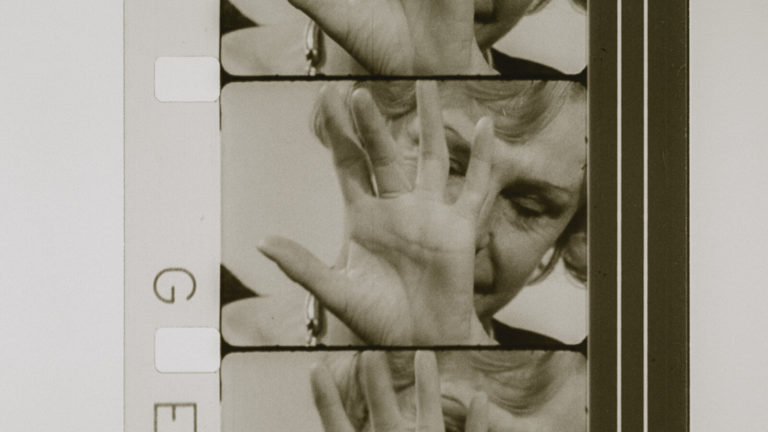
He pays particular attention, however, to scenes involving physical contact and gestures of affection. Francis shakes hands; he lays his hands on people in the name of Christ; and he gives friendly pats on the shoulder to both high-ranking political officials and young people who come to listen to him and practice with him the selfie. And he caresses the sick, who smile at him, moved, in return. He takes old women in his arms. His touch is tactile. He touches faces. He touches hearts.
An interview in the present for a film that will last
Third, the interviews with the Pope. The viewer might be inclined to think that if the documentary had a clumsy element, it would be this one. Indeed, the production seems to rely heavily on these moments, insofar as, in a fixed shot, the pope is placed in front of the camera and addresses the audience while also looking at the camera. The impression is very strong, but less moving than the archive footage.
Perhaps the function of these images is simply not to move, but to engage in dialogue. And from this point of view, the interview scenes are a success. They create a space of intimacy where viewers, whether devout Catholics or curious atheists, can really enter into Francis' discourse. There's also a doorway through which to cross the threshold, and black-and-white images of the Assisi saint's life and the Pope's visits around the world.
If Wim Wenders hadn't taken care of the technical side of things, out of laziness or to give the Pope's words all the space they would have deserved, Pope Francis: A man of his word could have appealed to Catholics, already convinced and seduced a priori. The director, however, crafted the documentary in such a way that it transcends the status of a mere account of an interview with the pope to become a work of art. A work that will undoubtedly provoke thought, move viewers, and remain relevant for a long time to come. A work that will embrace its role as a conveyor of a message. A work that will cherish that message. A work that will embrace it. That will bring it to life.
«Now let us embrace fraternally.»
Write to the author: [email protected]
Photo credit: © Universal Pictures
You'll also like

 French
  German
  English
1 comment
[...] «Pope Francis: A man of his word» [...]
Leave a comment