



«Thou shalt not kill»
Cinema Wednesdays - Loris S. Musumeci
«In times of peace, sons bury their fathers.".
»In times of war, fathers bury their sons."
War. From flames to corpses, to the silenced cries of soldiers with no tomorrow. Thou shalt not kill, it’s the battlefield, but it’s also the tearing apart of families and alcoholism stemming from trauma.
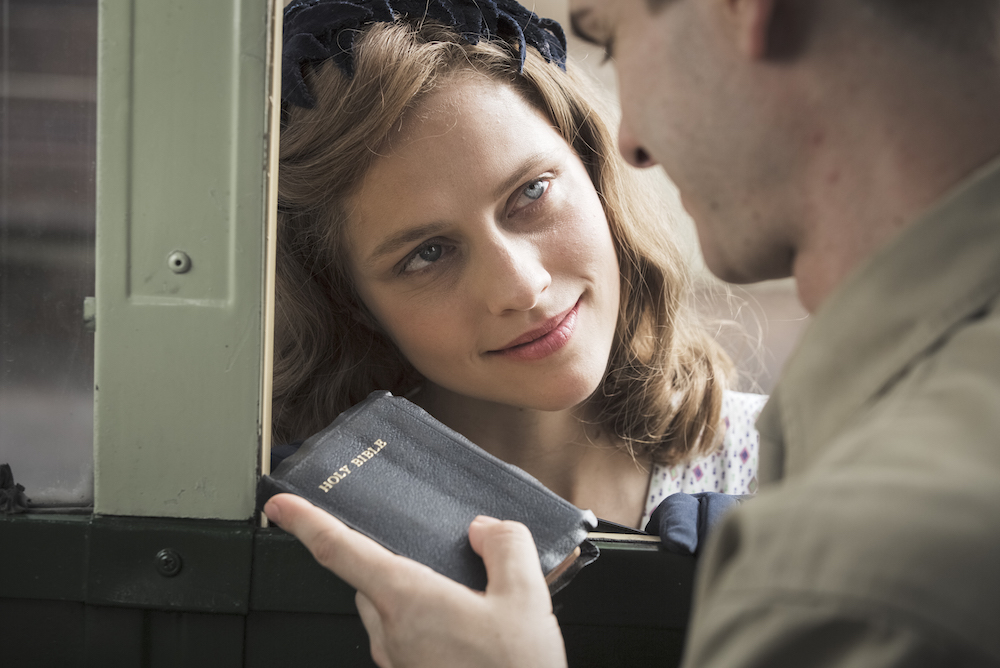
Desmond T. Doss (Andrew Garfield) is a young American from Virginia. Deeply involved in his church community and devoted to his hometown, he has only one guiding principle in life: service. As the world burns and bleeds during those interminable 1940s, he decides to enlist in the U.S. Army. The only problem: weapons. The new soldier is a conscientious objector because of his beliefs and his past. Such a stance pleased neither his peers nor his superiors. «Private Doss is a conscientious objector. So don’t count on him to help you on the battlefield.» Going to war without a rifle? Against the fierce Japanese?Thou Shalt Not Kill – «Hacksaw Ridge» –, a film based on a true story, is brutal, harsh, and bloody. A corpse gnawed by rats, the screams of a burning body blown apart by a grenade—but also Desmond’s little Bible and his constant prayers to the Lord. Mel Gibson is well known for his two signature themes: violence and religious themes.
The Passion of Christ, by the same director, caused quite a stir in 2004. And yet, the feature film offers a very special insight into the excruciating suffering of the iconic figure of Jesus of Nazareth. Reading the Holy Scriptures alone no longer truly manages to produce such an effect—though that is not its primary purpose—since audiences have become so accustomed to images, even the most intense ones. In his new film, however, Mel Gibson goes too far in certain brief scenes. These scenes are so harrowing that they take your breath away; they are impossible to bear due to their overwhelming sense of grim reality.
At the very least, the excess of blood and anguish reveals the true face of war. Audiences young enough never to have fought in a war do not leave the theater unscathed. In fact, yes, soldiers are truly brave; yes, what they go through is unbearable—this is not fiction. War should remain only the very last resort, after countless sacrifices and compromises.
The plot is nothing out of the ordinary during the first part of the film, which makes up only a small portion of it; and this is most certainly intentional. The main protagonist elicits both natural sympathy and a certain amount of irritation due to his stubbornness. “I wish this die-hard puritan would finally take up arms!” I thought to myself quietly from my seat. The second part is richer in revelations and pace. It becomes impossible not to warm up to Desmond. The viewer, moved and captivated, cannot possibly get bored.
As for the special effects and editing, hats off to the Americans, as usual. There’s nothing to fault. They transport us to Okinawa in 1945—without a single misstep.
All things considered, the new Gibson film remains a success. It’s definitely a must-see for the general public. However, only viewers with strong stomachs should venture to this intense early-year screening, because they’ll see those stomachs on screen—in a very sorry state.
«Please, Lord, help me save just one more.»
Write to the author : loris.musumeci@leregardlibre.com
Photo credit: Filmosphere
You'll also like



 French
  German
  English
Leave a comment