




Importing tomatoes makes more sense than producing them in Switzerland
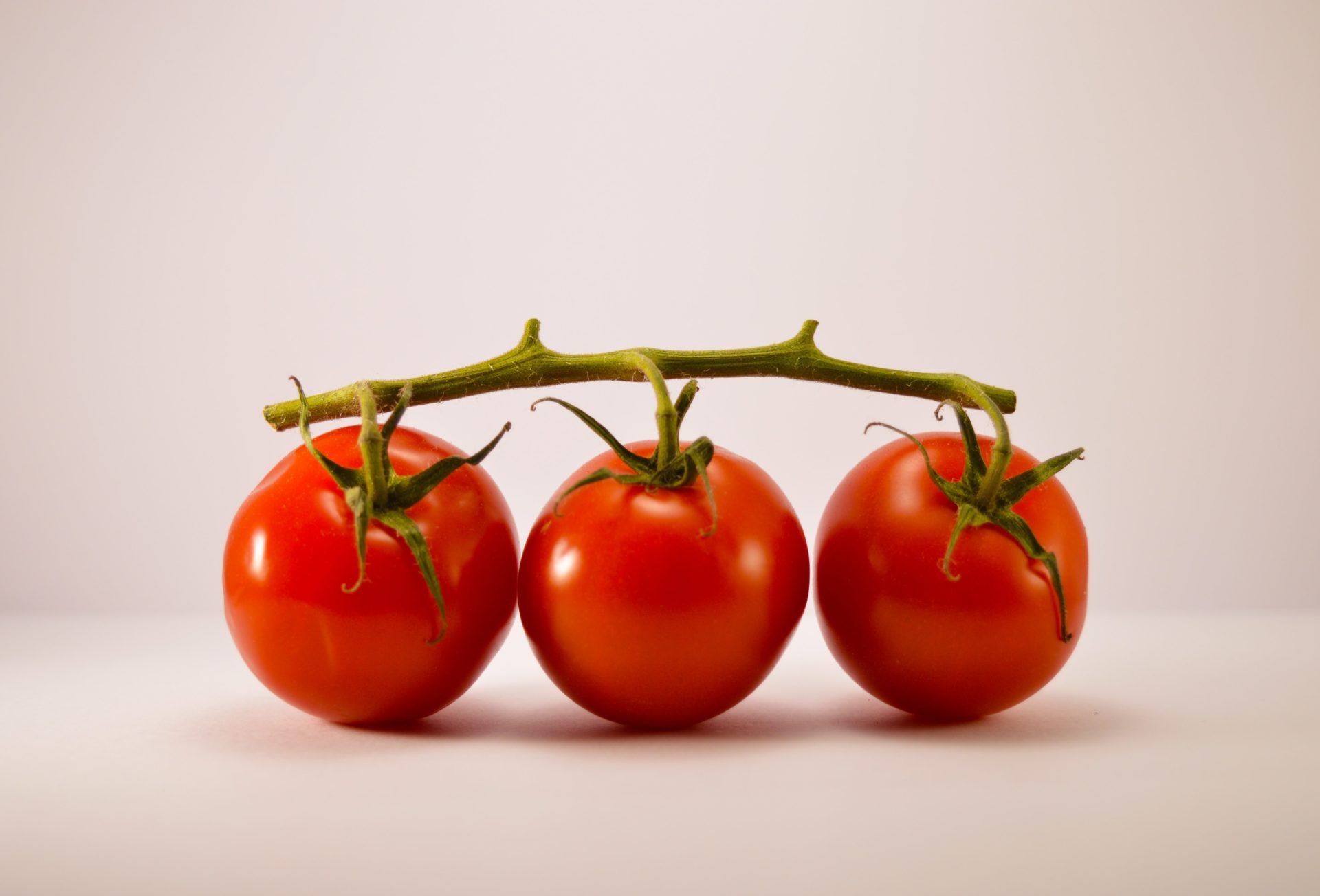
Many urban legends surround the carbon footprint of imported products. Unsplash
At a time when the debate on the labelling of foodstuffs transported by air is underway in Berne, it seems useful to dispel an over-entrenched myth about the environmental impact of food imports.
This is an often-discussed aspect of food consumption, making it impossible to address the subject of transport without mentioning imports. Two articles in the Neue Zürcher Zeitung (NZZ) in 2021 and 2023 provides an interesting perspective on the issue. In it, business journalist Matthias Benz demonstrates that there are more important actions to take if you want to reduce your carbon footprint, such as forgoing air travel or cutting down on meat consumption. Geographical proximity does not necessarily guarantee a better environmental impact. In fact, the opposite is sometimes true!
As long as it's not imported by air, transportation is not necessarily problematic for the environment. For most foods, other aspects of production are often more important than transport. Matthias Benz takes the case of tomatoes imported from southern Spain as an example. Their carbon footprint turns out to be better than locally grown tomatoes produced in heated greenhouses in winter. The same applies to organic raspberries from Serbia, which are more environmentally friendly than conventional raspberries from Thurgau.
A false debate?
As Switzerland is not food-independent, food imports will continue in any case. So, if producing vegetables in European countries with more hours of sunshine can be less polluting than producing them in Switzerland, why do we continue to eat tasteless tomatoes in summer, as author and food critic Richard Kägi recently pointed out in the same newspaper?
The main reason remains support for local farmers. This makes sense when it comes to products that are best produced here, by virtue of climate, know-how or tradition. But not for tomatoes, which are still widely grown in Switzerland. Not to the delight of Richard Kägi, who wants to keep his freedom to buy food primarily on the basis of taste. All the more so if the environmental impact is not compromised.
Matthias Benz's articles in the NZZ provide further information and graphics - not just on vegetables, but on all types of food.
Write to the author: [email protected]
You have just read an article from our TRANSPORT dossier,published in our print edition (Le Regard Libre N°103).
You'll also like




 French
  German
  English
Leave a comment