




2024, a mess for Swiss health and pension policy
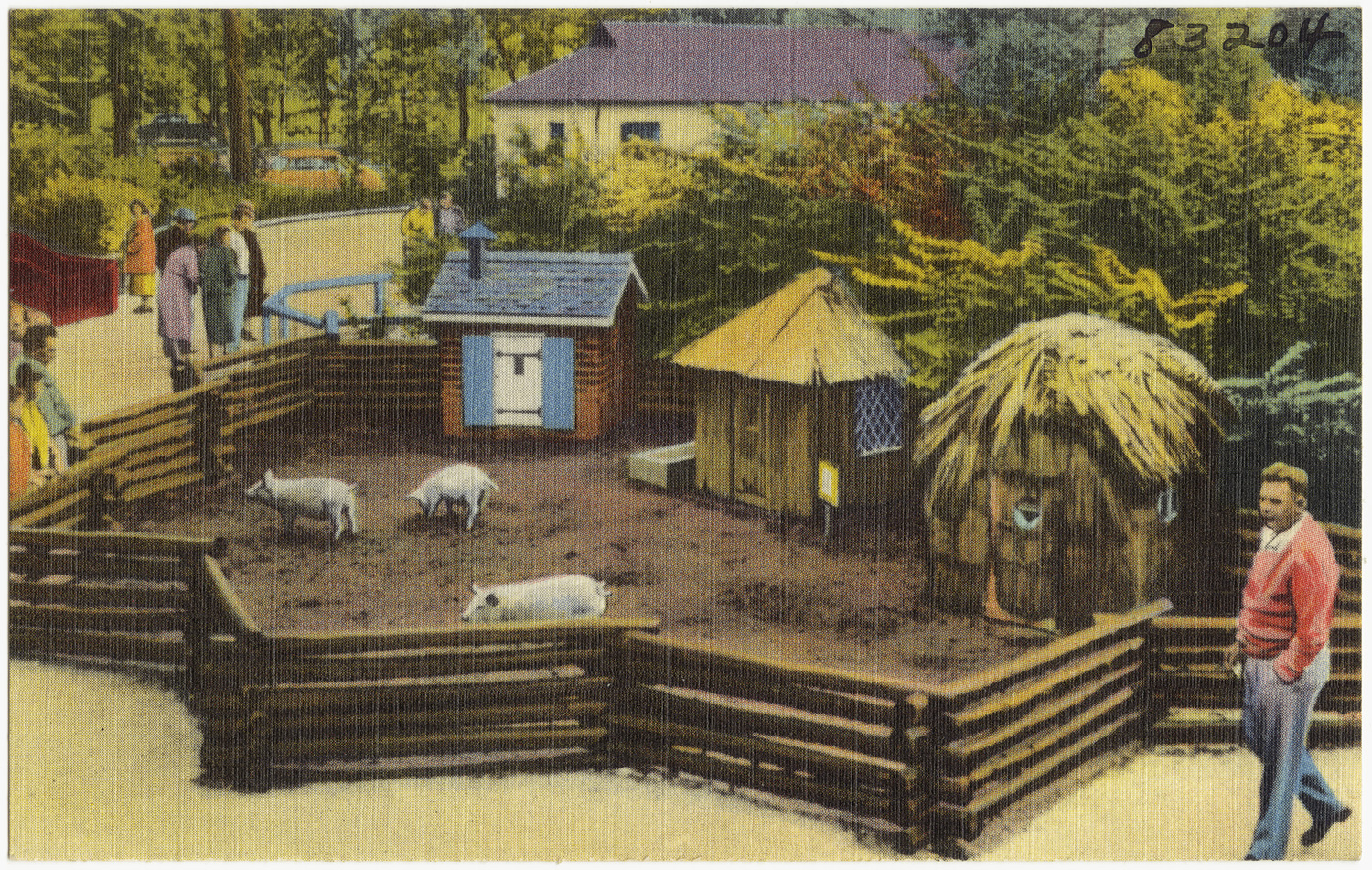
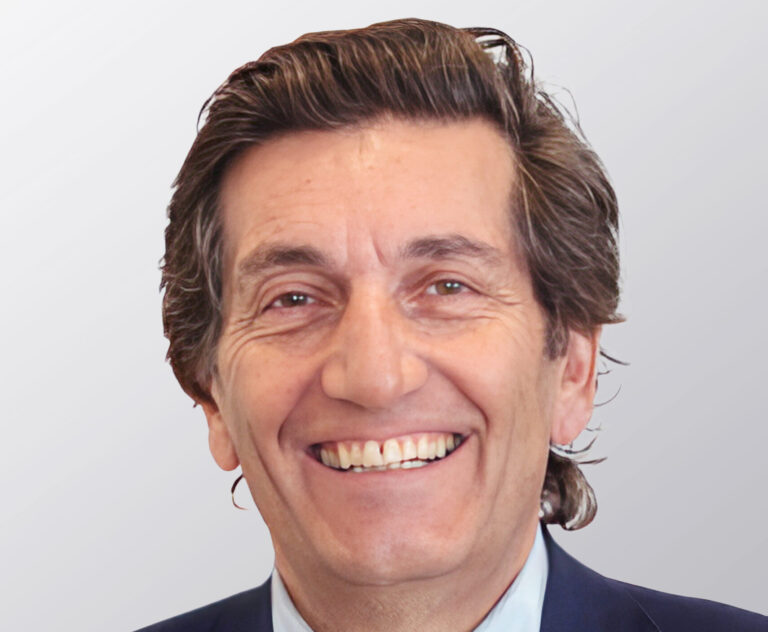
«Les débats qui ont eu lieu en 2024 rappellent l'histoire des trois petits cochons: par facilité, parce que "nous avons toujours fait comme ça", nous avons bâti des projets politiques de paille sans anticiper le loup qui allait les balayer.» Photo: DR
Demographic realities have been largely absent from political debates over the past year. in terms of pensions and healthcare costs. It's time to renew our welfare state on the basis of a coherent, long-term vision.
Old-age and survivors' insurance (AVS), 2th pilier, coûts de la santé… quel bilan tirer de la super-séquence politique qu’a connue la Suisse en matière de prévoyance et de santé cette année?
Malheureusement, pas grand-chose. Les débats qui ont eu lieu en 2024 rappellent l’histoire des trois petits cochons: par facilité, parce que «nous avons toujours fait comme ça», nous avons bâti des projets politiques de paille sans anticiper le loup qui allait les balayer. Ce loup, inexorable, impérissable (contrairement à ceux sur lesquels Albert Rösti a autorisé le tir, mais c’est un autre sujet), cette menace qui pèse sur notre Etat social, c’est évidemment la démographie.
Righting the ship before it sinks
Let's set the scene: we know that the aging of the population is putting a strain on the two main expenses of the social state: pensions and healthcare. In 1924, 6% of the population was aged 65 and over. One hundred years later, this figure had risen to 20%. Unsurprisingly, it's in this phase of life that healthcare costs soar. This fifth of the population aged 65 and over contributes 45% to healthcare costs.
Le nombre de personnes actives par personne retraitée, appelé le ratio de dépendance, raconte une histoire similaire; il passe de 6,3 à l’introduction de l’AVS en 1948 à 3,2 en 2019. Et la tendance continue de plus belle. Certes, les femmes ne cotisaient pas au moment de l’introduction de cette assurance sociale. Toutefois, le nombre de cotisants par rente à verser est passé de 3,5 en 1975 à 2,4 à 2021, as already documented by Le Regard Libre.
In short, our social liner is slowly but surely taking a nosedive.
Pay more or receive less
There are two possible ways to get our welfare state back on its feet: reduce costs and/or increase revenues. This observation may seem simplistic, but it highlights a fact that is too often overlooked in the debate: the fountain of youth capable of halting the ageing process does not exist. Whether we like it or not, the tsunami of baby boomers retirement is coming. Any measure, however creative, must act on one of these two levers.
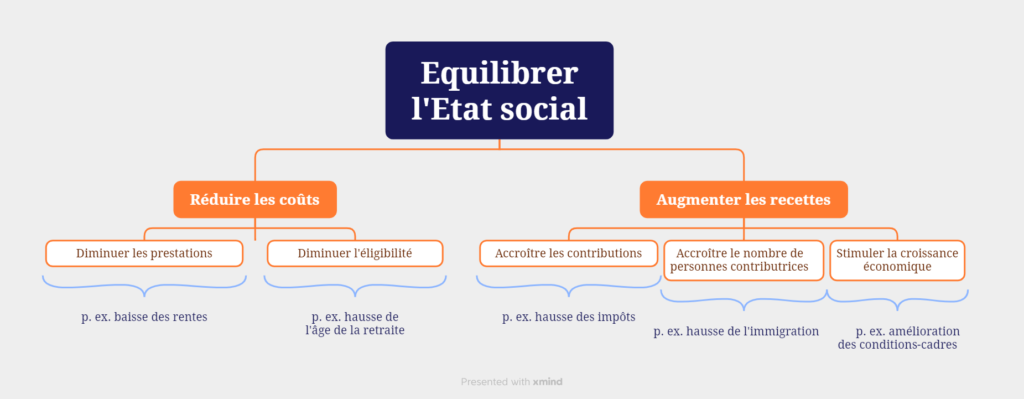
Le schéma ci-dessus illustre les principales options à notre disposition. Baisser les coûts est possible en diminuant les prestations ou en diminuant l’éligibilité. Pour les retraites, cela passe par exemple par une baisse des rentes ou une augmentation de l’âge de référence pour le départ à la retraite.
Increasing revenues follows the same logic. There are three possible levers. None is obvious. The first lever is to increase contributions - health insurance premiums, employee contributions or taxes. The second is to increase the number of contributors by stimulating demographic growth. This can be achieved through immigration or birth policies. More indirectly, the third lever is a policy favoring economic growth. Mechanically, higher wage levels also increase contributions to the welfare state. However, the chain of causality is longer and more uncertain.
Of course, creativity is allowed; other measures can be imagined, such as the proposal by the Latin Conference of Health and Social Affairs to organize separate financing of the costs of health care for the elderly. But in the end, the costs will have to be covered.
Soon to go broke
Small problem: no political majority is emerging in favor of a combination of measures to turn the Swiss social system around. Some measures seem unimaginable in liberal Switzerland - think, for example, of natalist policies. Others, such as the continuous adjustment of health insurance premiums, are the target of a growing backlash.
Far from solving the problem, the people have overloaded the boat by adopting a 13th pension without agreeing on corresponding funding. In fact, the soap opera surrounding this additional pension speaks volumes about the deep-rooted evil that plagues us all: our collective inability to grasp an issue in its entirety and build coherent political alternatives. An inability that sometimes borders on denial.
Increase pensions without affecting the retirement age, employee contributions or the number of active contributors, it's not consistent.
Reducing immigration to Switzerland while maintaining the social state as it is, it's not consistent.
Reduce the proportion of taxes supporting this social state, without substituting it with other sources of funding, or assuming net cuts, it's not consistent.
That's why 2024 has been such a disappointment: most of the projects put to the vote are insulated straw houses, designed for the short term without taking into account either external constraints or the needs of the future.
Redistribution does not solve the underlying problem
At this point in the discussion, it's common to hear people exclaim: «It's simple, just tax the rich!»
While it's a source of concern (and I'm one of them) that contributions to healthcare costs are not no more income-dependent, the profound and lasting mutation of our age pyramid cannot be compensated for by increasing the contributions of the wealthy alone» (whatever that means).
Who pays?« will certainly be an important political debate in Switzerland, as the country looks to rebuild its welfare state. VAT or employee contributions: the controversy over the financing of the 13th pension is a case in point. Even so, this is a subsidiary debate to the main question, which remains: what kind of welfare state do we want, and are we prepared to finance it, in the context of an ageing society?
Back to a tried and tested method
When it comes to coherence, the party apparatuses may retort: «But we're proposing a coherent political alternative!», and they'd be right. But since the Grand Soir of an absolute majority is not about to happen, we need to return to a tried-and-tested method of Swiss politics: compromise. And we haven't seen much of that lately when it comes to health and social policy.
Was it necessary to push through the increase in women's retirement age without attaching some of the numerous measures on the table to advance de facto equality, in order to rally the other side?
Was it necessary to propose a much-needed reform of the 2th pillar (BVG), without combining it with more measures to address women's under-activity in the labor market? The reform of the coordination deduction was certainly a step in the right direction, but barely scratched the surface of the problem. Our ability to build concrete projects for our social state will depend to a large extent on our capacity to put together acceptable reform packages, transcending partisan trench warfare of which a growing proportion of the population is growing weary. It is probably on this condition that the story of the three little pigs will have a happy ending.
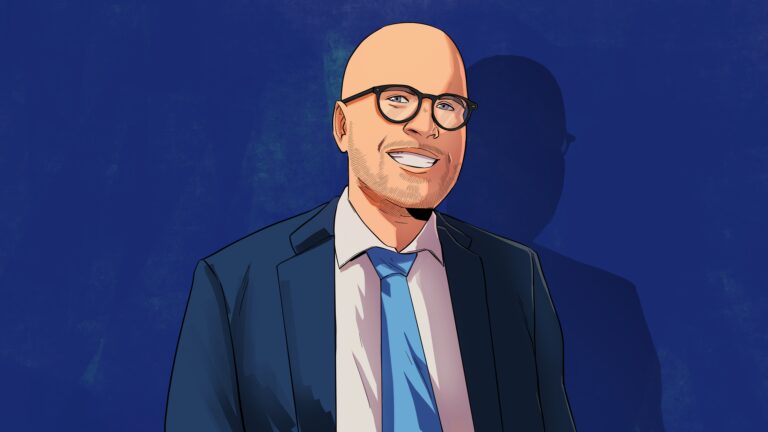
Darius Farman is a researcher in political and economic sciences. He contributes to the work of various research institutes in Switzerland.
You've just read an open-access forum. Debates, analyses, cultural news: subscribe to support us and get access to all our content!

You'll also like



 French
  German
  English
Leave a comment