DOSSIER «LE SEXE, SANS COMPLEXE» | A partir du baiser, voici une attention particulière accordée au poème lié à la chair. Il pourrait avoir trois fonctions. Il empêcherait le souvenir de mourir. Il pourrait se faire témoin du grave et, n’étant pas commercial, il ne serait pas en mesure d’être pornographique.
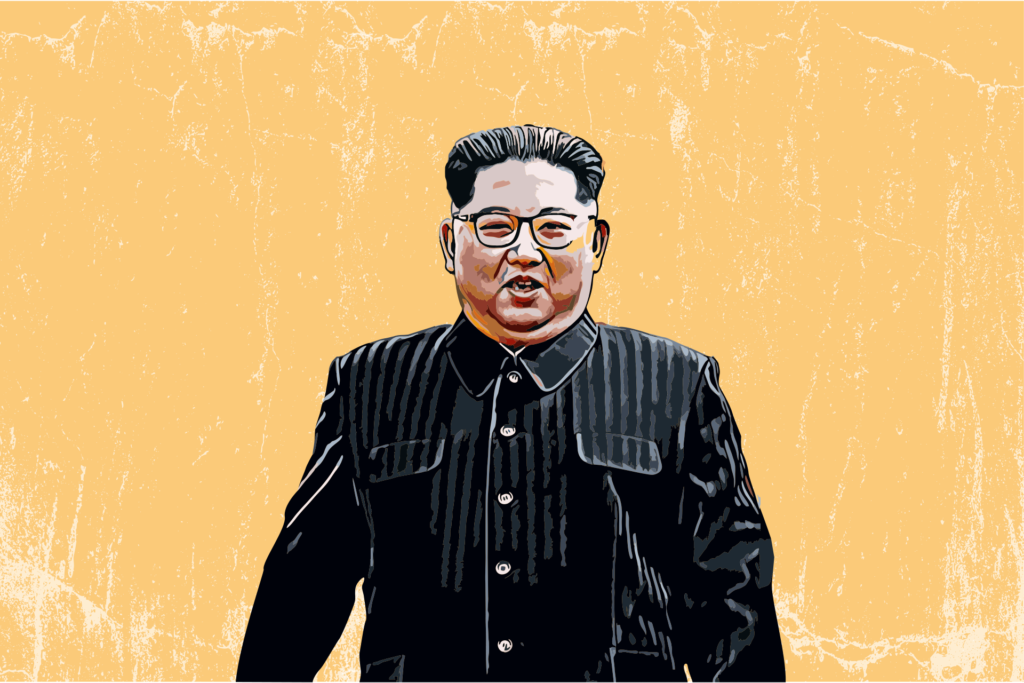
The fateful moment is approaching. Never before has the People's Republic of China (PRC) been so ready to undertake its historic mission: to complete the reunification of China and wash away the affronts of a century of humiliation. Beijing has long been preparing for this, as have Taipei and Washington. While all options are on the table, there is no guarantee that this operation will be the prelude to a new confrontation between the great powers. Here are three main scenarios, and the issues that underlie them.
DOSSIER «LE SEXE SANS COMPLEXE» | L’interdiction de la prostitution dans certaines pays d'Europe semble peut cohérente, puisque la pornographie y est légale. Une saine politique ne reviendrait-elle pas plutôt à agir en amont, en évitant d’encourager sur Internet ce que l’on proscrit dans la rue, ou alors d’accepter, comme les anciens, qu’il vaut mieux la réguler, car c’est un phénomène, somme toute, inévitable?
What if Europe lay in the antagonism born of the Renaissance between the Christian and scientific worldviews? This opposition has always been present in different forms at different times. Today, it has taken on a new dimension: some argue that a materialistic reading of the world is now impossible, given current physical theories.
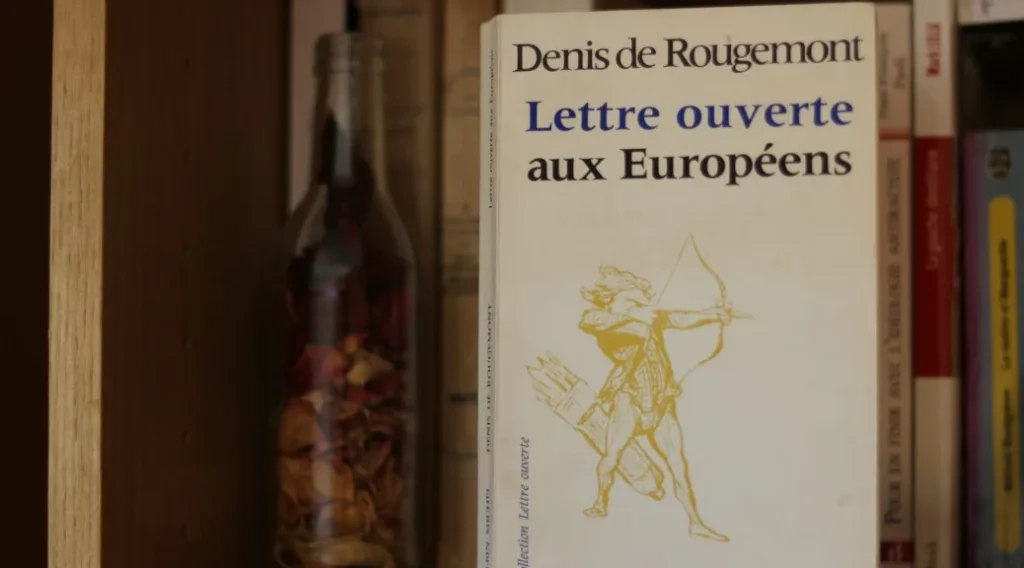
DOSSIER «VOUS AVEZ DIT EUROPE?», Antoine-Frédéric Bernhard | C’est une figure intellectuelle majeure du XXe siècle, un Suisse de surcroît, dont on entend très peu parler. La paresse y est sans doute pour beaucoup, puisque toute l’œuvre de Denis de Rougemont est accessible gratuitement sur internet depuis 2020, grâce au travail de plusieurs chercheurs de l’Université de Genève. Cet écrivain foisonnant a consacré une grande partie de son œuvre à l’Europe qu’il voyait écrasée entre les deux superpuissances américaine et soviétique. Dans sa Lettre ouverte aux européens de 1970 – un plaidoyer pour l’identité culturelle européenne – l’écrivain genevois défend l’idée d’un fédéralisme intégral, appuyé sur un régionalisme opposé à toute forme de nationalisme moderne. Sa réflexion sur l’unité de l’Europe s’avère plus pertinente que jamais. Bref tour d’horizon.
The frontier, increasingly decried in Western countries over the past sixty decades, is now making a comeback. Talk of a world without borders is no longer so appealing, for a number of reasons. Russia's invasion of Ukraine is a powerful demonstration of the absurdity of talking about independence without territory. What's more, it's clear that the idea of a united Europe in the face of the many challenges of our times (war, terrorism, immigration...) requires recognition of its external borders, which are extensions of the internal borders of the countries that make it up. Borders are the markers of a country's history: they define its contours, not only geographically, but also culturally. At least, that's the idea behind Régis Debray's Eloge des frontières.
Malgré une histoire mouvementée au sein de la famille européenne depuis 1973, le Royaume-Uni n’en a pas moins été un...
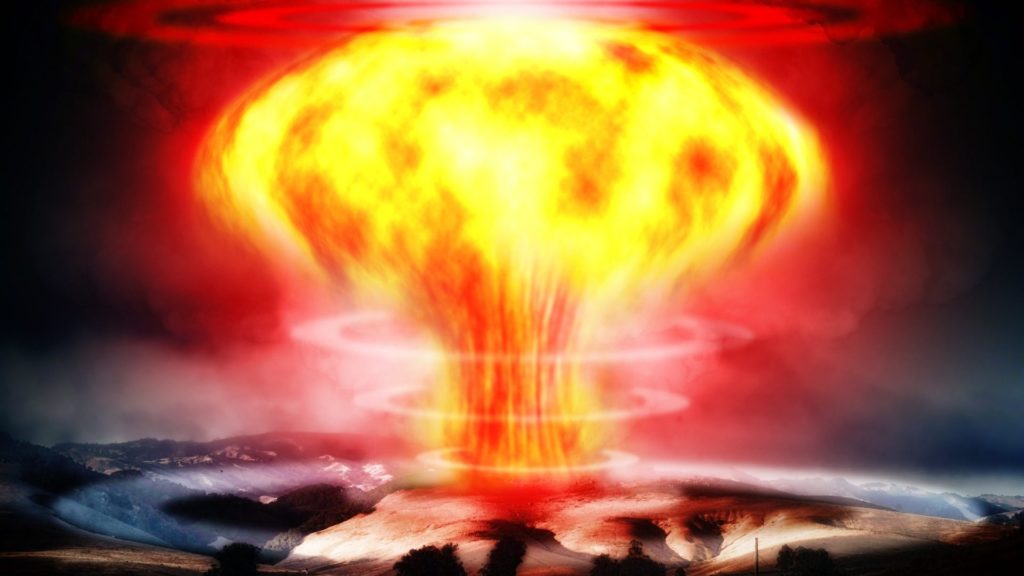
DOSSIER «LE GRAND RETOUR DU NUCLEAIRE», Jonas Follonier | Libéral classique? Libertarien? Il est en tout cas de ceux que la presse qualifie volontiers de «néo-libéraux» ou «ultra-libéraux» – des étiquettes pas forcément sympathiques. Mais les étiquettes et leur caractère sympathique (ou non) ne nous intéressent guère au Regard Libre. Voilà un analyste politique et économique qui compte, fréquemment invité dans les médias français (et pas seulement L’Opinion ou Le Figaro) et dont l’essai paru en 2021, Les écologistes contre la modernité, est passionnant. On pourra se trouver en désaccord profond avec une partie de ses opinions, voire leur totalité. Pour autant, une confrontation à sa hauteur de vue ne peut être que stimulante. De cet ouvrage offrant une critique en règle des fondements anti-capitalistes de l’écologie radicale, nous retiendrons notamment le plaidoyer enflammé et argumenté de l’auteur en faveur de la société industrielle et de l’énergie nucléaire.
Si la problématique des armes nucléaires n’a jamais vraiment disparu (et pour cause, leur simple existence est en soi une...










 French
  German
  English