Australia has no hesitation in supporting the efforts of the United States and its allies to combat the rise of China, despite the fact that it is its leading economic partner. This de facto dependence limits Canberra's strategic room for manoeuvre.
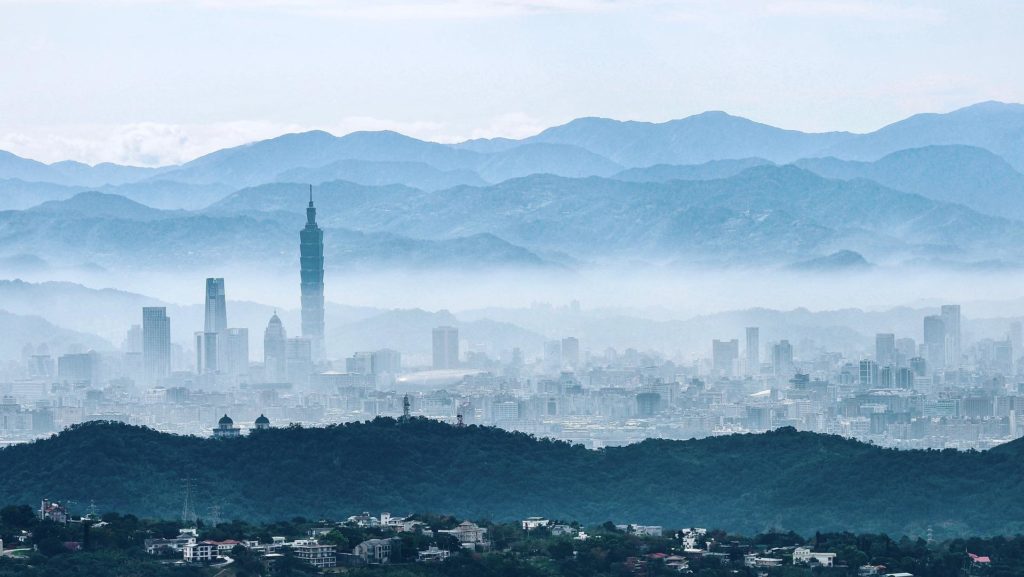
With a great deal of propaganda, Beijing seeks to convince its population and the international community of Taiwan's profoundly Chinese identity. The reality is more complex.
Since the turn of the century, income inequality has been declining worldwide. However, they are increasing in China, India, Russia, the USA and within European countries - but not in Switzerland. Here we explain an unprecedented phenomenon that is set to continue.
Russia and China have just agreed on the construction of a gas pipeline, during a visit by Xi Jinping to Moscow. A sign that Russia, like other powers, is turning towards a country that intends to present itself as an alternative to the Western order.
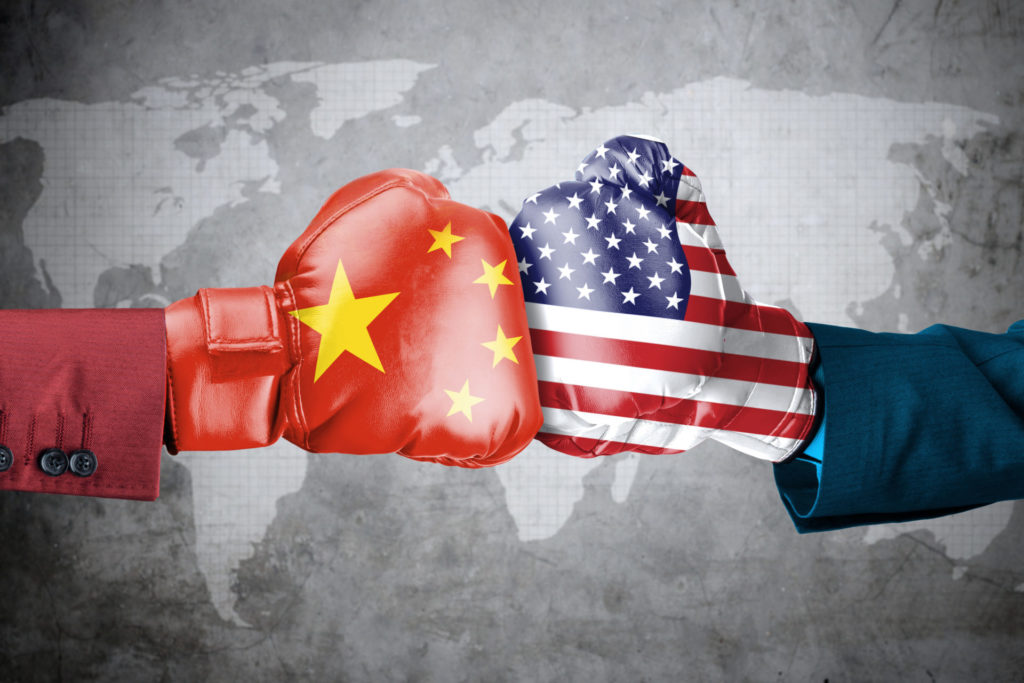
In the mid-2000s, faced with China's rise to power, the idea emerged of a necessary and close collaboration between China and the United States. Since then, so much has changed in the Sino-American relationship that the future does not bode well. But perhaps it could have been otherwise.
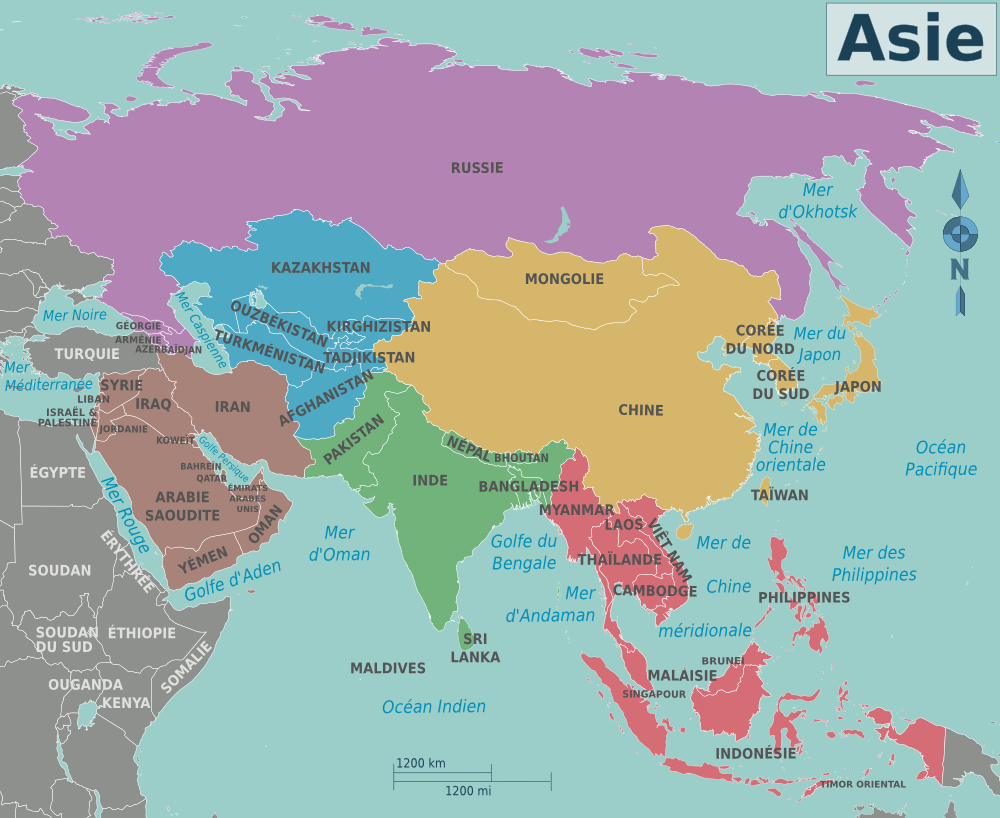
Southeast Asia now lives in the shadow of China and under American pressure. Is there an alternative for the region's governments in this battle of giants?
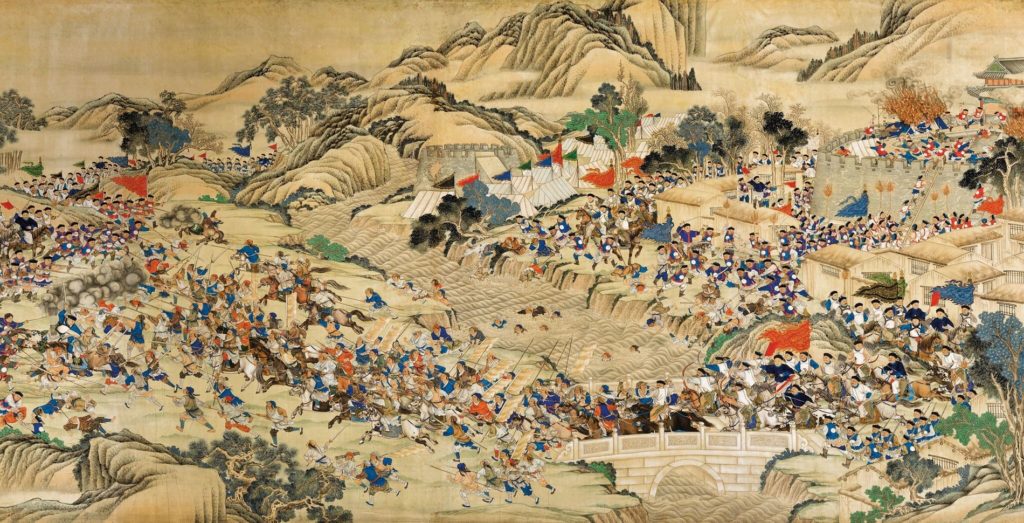
«THE END OF THE WORLD» SPECIAL REPORT | Hong Xiuquan, a failed scholar who failed his exams four times and who, after an existential crisis, encountered God through Christian missionaries, was the catalyst for one of the deadliest armed conflicts in history.
The fateful moment is approaching. Never before has the People's Republic of China (PRC) been so ready to undertake its historic mission: to complete the reunification of China and wash away the affronts of a century of humiliation. Beijing has long been preparing for this, as have Taipei and Washington. While all options are on the table, there is no guarantee that this operation will be the prelude to a new confrontation between the great powers. Here are three main scenarios, and the issues that underlie them.
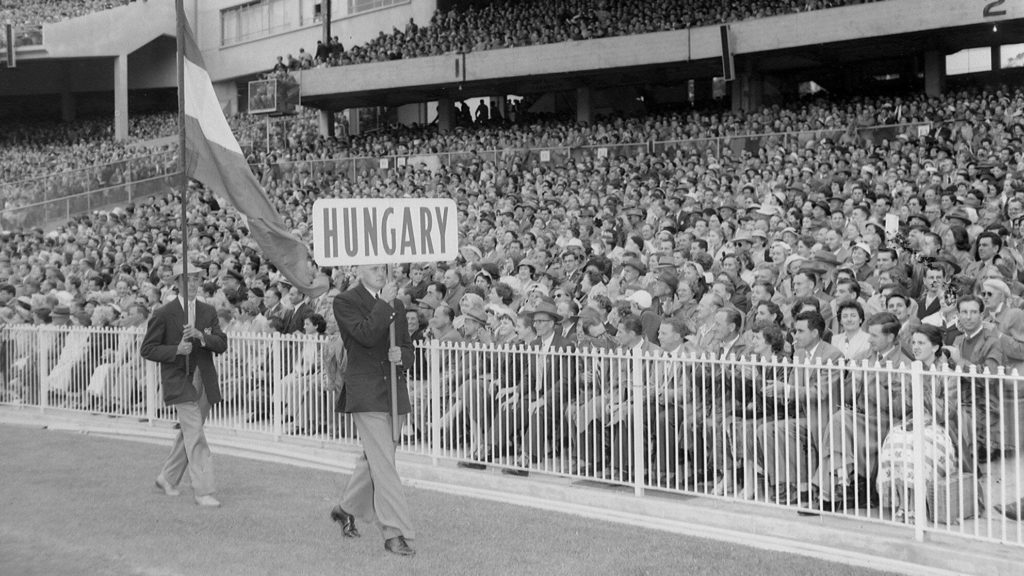
LONG-FORM ARTICLE, Yves Di Cristino | Between China in February and Qatar in November, the world of sports has likely never faced so many tentative attempts to boycott major events in more than six decades. The United States did indeed boycott the 1980 Olympic Games in Moscow at the height of the Cold War, but few recall the year 1956, which was so unique in every respect. And this concerns us as well, as Swiss citizens, because the Swiss Confederation—along with seven other nations—proudly decided to boycott the Melbourne Olympics. As for the reasons, they run the gamut.






 French
  German
  English