What would be left after the end of the world, or rather life on Earth, following a nuclear catastrophe or climate change? Certainly not works of art. But perhaps technology. Here's a scenario from a digital art exhibition.
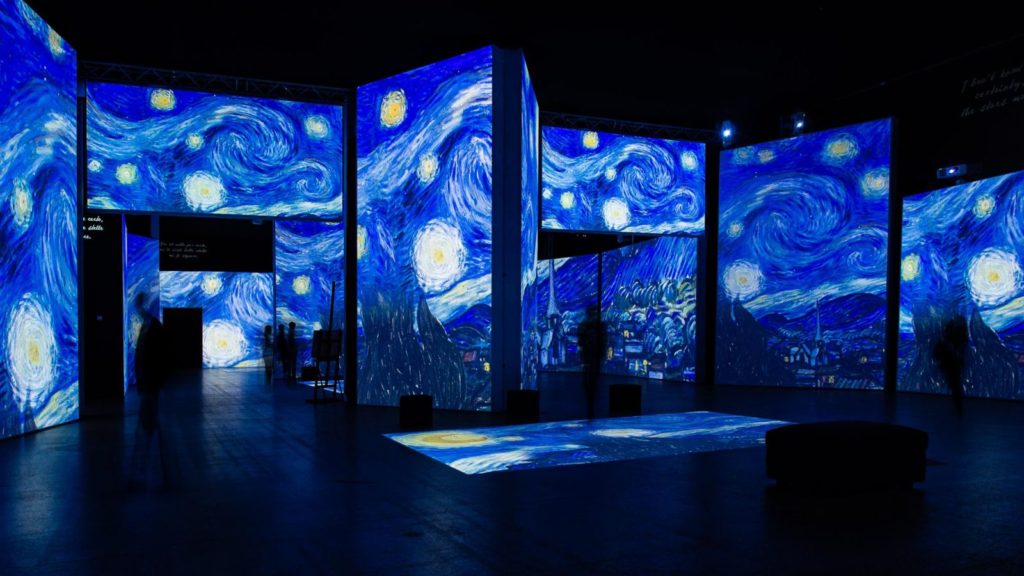
Van Gogh is one of those artists whose work and life fascinate all audiences. Unknown during his lifetime, his success was dazzling after his death, and his genius was widely recognized, establishing him as one of the greatest artists of all time. Today, it's the turn of immersive multimedia exhibitions to use the work and myth of the cursed artist to sell us sensationalism: welcome to experience marketing.
From September 20 to 26, the world's largest and most prestigious contemporary art fair, Art Basel, was held, the international meeting place for the art world and collectors. Millions were made, as usual, but with little artistic renewal. The major galleries wisely sat on their leading artists, taking no risks for this edition. So what's the point of spending just under a hundred francs if you're just an art lover? To be surprised. Because yes, even if Art Basel didn't transcend the art world this year, we did see an interesting trend towards... figuration.
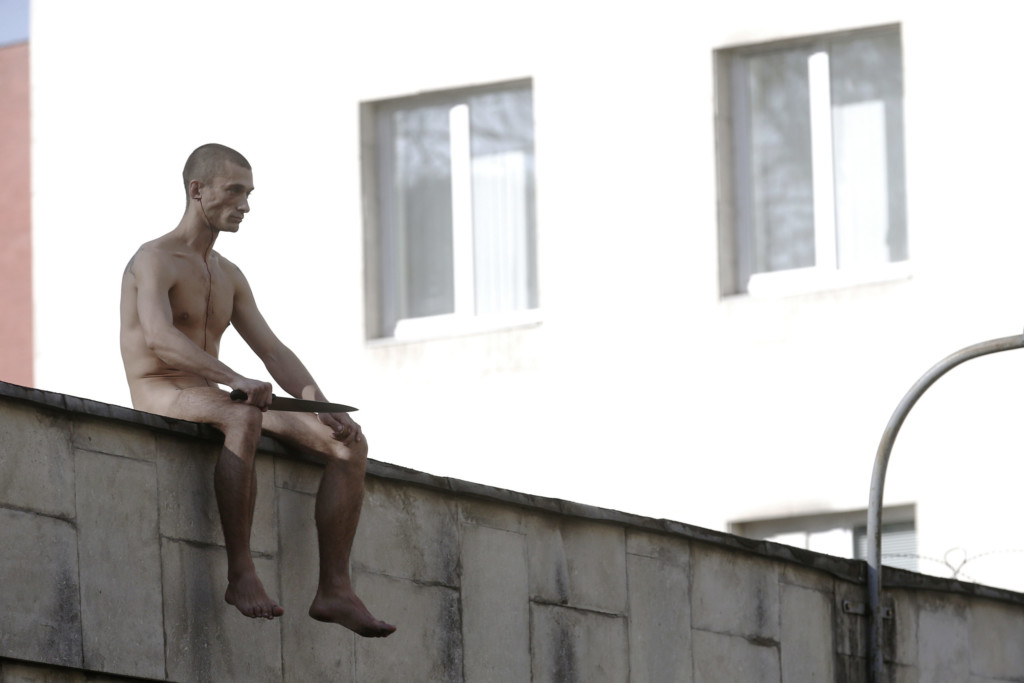
It's February 2020, and Benjamin Grivaux is in the midst of his bid for the mayoralty of Paris, when he finds himself at the heart of a controversy: intimate videos of him with a young woman invade the web. Once these went viral within hours, Grivaux was forced to resign in the face of the scandal. What was he accused of? Adultery. But mostly of hypocrisy. Nothing very nasty or new in the tabloid of French political figures. Piotr Pavlenski, the video's broadcaster, is a Russian performer, staying in France since 2017 as a political refugee. An artist who has just crossed the already well-established boundaries of artivism, taking contemporary art hostage to denounce not an authoritarian state but adultery, adopting a discou
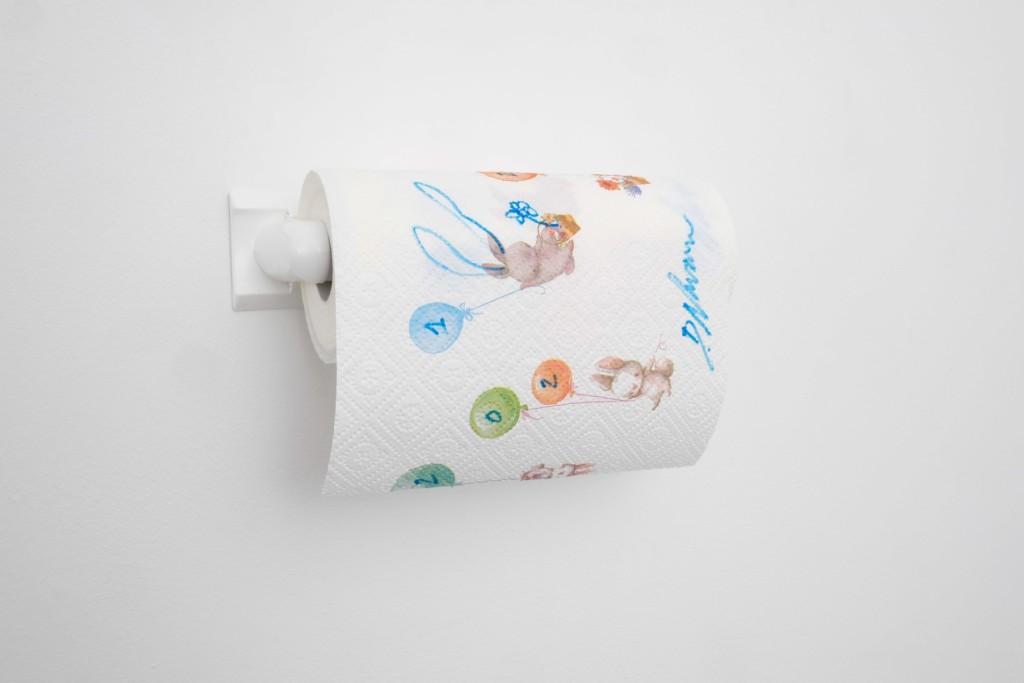
Pablo Picasso, then at the height of his fame, drew a sketch on the tablecloth in a restaurant one day. The restaurant owner offered to buy his meal in exchange for his drawing and signature. Picasso replied, very amused and not fooled, that he could buy his meal with his drawing, but that he wasn't looking to buy the whole restaurant with his signature. An anecdote that speaks volumes about the place of signatures in the art market and the keen interest they arouse among collectors. Proudly displayed, like a sacred part of its creator, the signature often represents much more than simple authentication. A reflection of personality, the autograph or, more generally, the signature can possess a certain plastic and aesthetic quality. Signatures (X) is a contemporary art exhibition by Smallville, an artist collective based in Neuchâtel.






 French
  German
  English