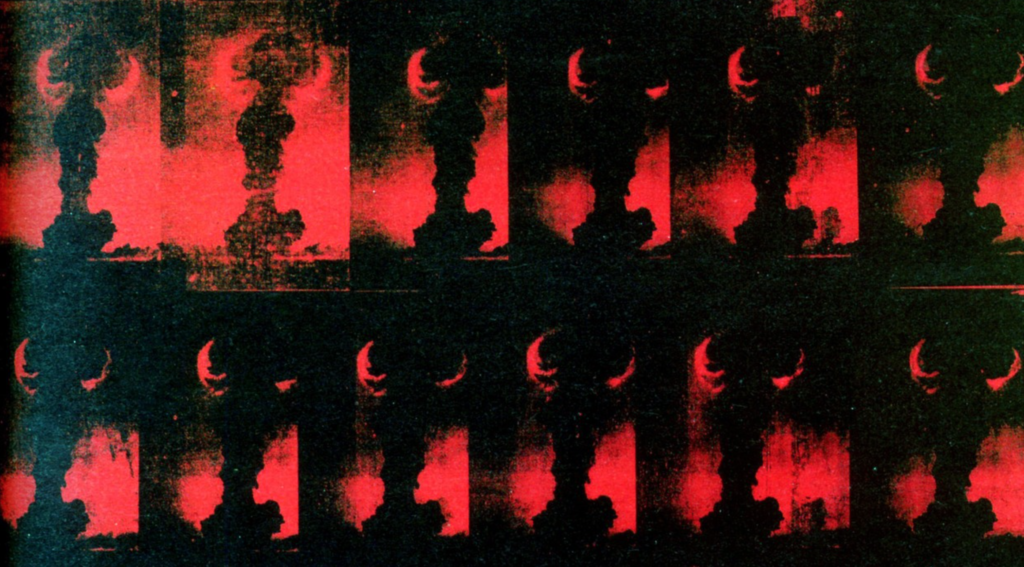
What would be left after the end of the world, or rather life on Earth, following a nuclear catastrophe or climate change? Certainly not works of art. But perhaps technology. Here's a scenario from a digital art exhibition.
Art and science are a long-standing couple, and their relationship is one of mutual enrichment. After the...
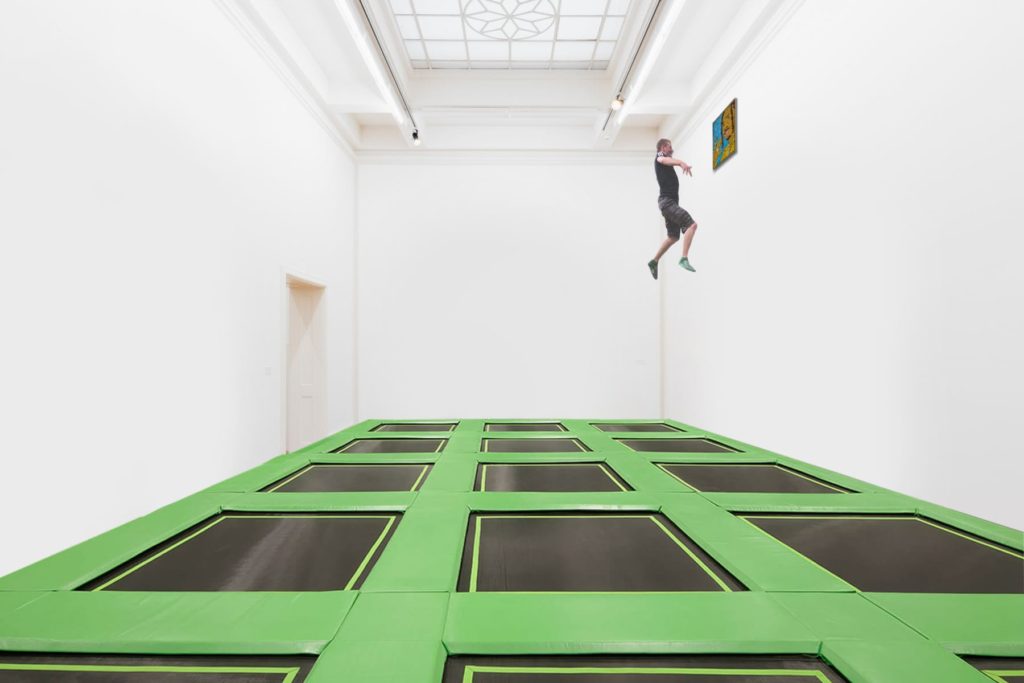
DOSSIER IRONIE, Aude Robert-Tissot | An imaginary contemporary art center? Are we, once again, victims of a contemporary deception? Absolutely not. The Kunsthausneverland is a serious concept. A center for contemporary art in its own right, run by a collective of artists with a real program. What's special about it is that its exhibitions take place on the web, and more specifically on Instagram. Reflections on an innovative space that develops a profound satire of contemporary art, using photomontages to thumb its nose at Internet users.
ARTICLE LONG FORMAT, Aude Robert-Tissot | Coghuf, whose real name was Ernst Stocker, is one of the major Swiss painters of the 20th century. And yet, the first book to retrace his entire oeuvre has only just been published. Beyond the undeniable importance of a monograph devoted to such an artist for the history of art, it has the particularity of having been conceived without barriers, in the image of the reception of the artist's work. Whether in Basel, his birthplace, or in the Franches-Montagnes, his adopted region, everyone agrees: Coghuf has been forgotten, and his work deserves to be brought back to light. This has now been achieved, thanks to the expertise of the book's editor, art historian Yves Guignard, and an innovative bilingual approach.
ARTICLE LONG FORMAT, Aude Robert-Tissot | XXL, le dessin en grand is the current exhibition at the Musée Jenish in Vevey. Until February 27, immerse yourself in a black-and-white and colorful universe of charcoal, pastel, ink and graphite, hatching, brushstrokes and pointillism, in works that are sometimes flat, sometimes three-dimensional. A multi-sensory visit thanks to the large format and a musical stroll.
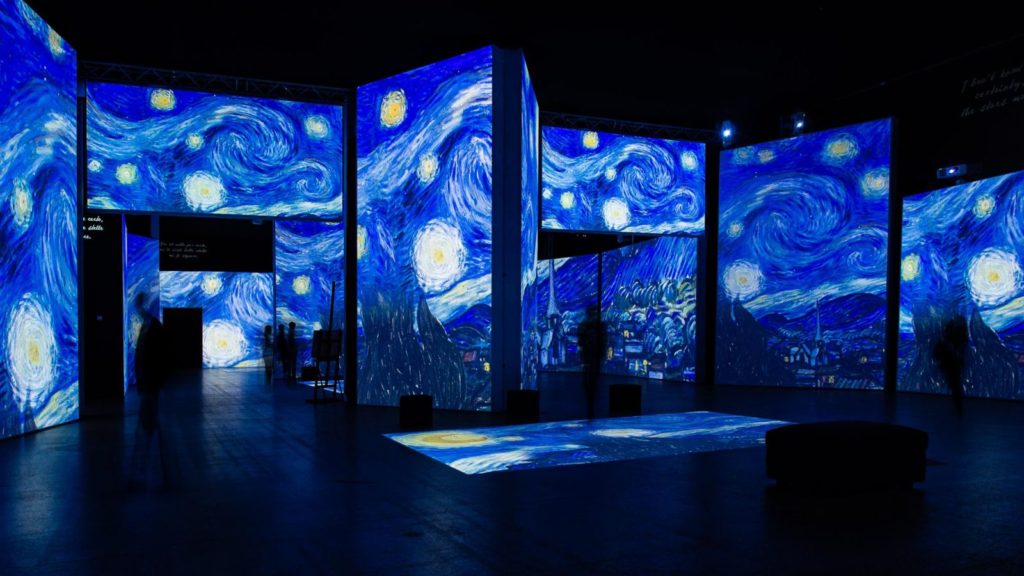
Van Gogh is one of those artists whose work and life fascinate all audiences. Unknown during his lifetime, his success was dazzling after his death, and his genius was widely recognized, establishing him as one of the greatest artists of all time. Today, it's the turn of immersive multimedia exhibitions to use the work and myth of the cursed artist to sell us sensationalism: welcome to experience marketing.
From September 20 to 26, the world's largest and most prestigious contemporary art fair, Art Basel, was held, the international meeting place for the art world and collectors. Millions were made, as usual, but with little artistic renewal. The major galleries wisely sat on their leading artists, taking no risks for this edition. So what's the point of spending just under a hundred francs if you're just an art lover? To be surprised. Because yes, even if Art Basel didn't transcend the art world this year, we did see an interesting trend towards... figuration.
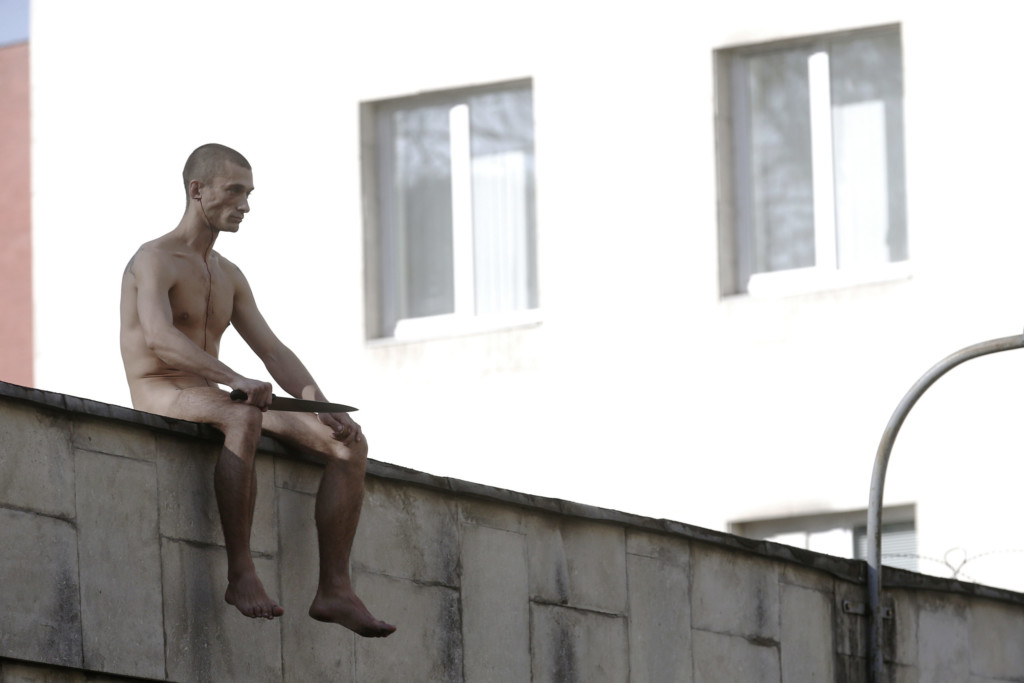
It's February 2020, and Benjamin Grivaux is in the midst of his bid for the mayoralty of Paris, when he finds himself at the heart of a controversy: intimate videos of him with a young woman invade the web. Once these went viral within hours, Grivaux was forced to resign in the face of the scandal. What was he accused of? Adultery. But mostly of hypocrisy. Nothing very nasty or new in the tabloid of French political figures. Piotr Pavlenski, the video's broadcaster, is a Russian performer, staying in France since 2017 as a political refugee. An artist who has just crossed the already well-established boundaries of artivism, taking contemporary art hostage to denounce not an authoritarian state but adultery, adopting a discou
ARTICLE LONG FORMAT, Aude Robert-Tissot | At the genesis of a group show, there is often an encounter. While the encounter is usually between the curator and the artists, or at least with their work, sometimes the real encounter takes place between the invited artists. On seeing one of the works exhibited at the Musée d'art et d'histoire de Neuchâtel, an intuition emerges: the encounter between two artists stands out from the others; it seems individualizing.







 French
  German
  English