After a long career as the face of political journalism in French-speaking Switzerland, Alain Rebetez tells the Helvetians all about France, as Tamedia's Paris correspondent. Five years after his arrival, we take stock of his mission and the differences between the two countries.
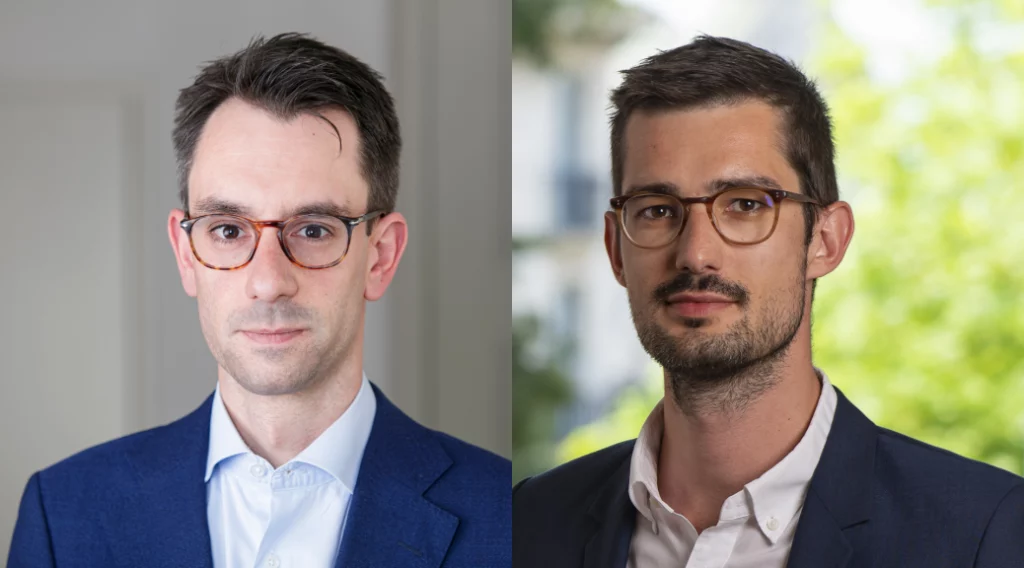
The relationship between Switzerland and the European Union has never been worse. On that, our two debaters agree. But beyond that, their views are diametrically opposed. Félicien Monnier, a self-styled conservative and sovereignist, is a lawyer and has been President of the Ligue vaudoise since last year. Julien Rilliet, a member of the Socialist Party and the Mouvement européen suisse (NOMES), runs his own political consulting firm. Here are our ten questions to these two young observers of the French-speaking world, who are interested in the fate of Switzerland and the continent.
Let's try a little imagination. It's Sunday, October 20, 2019. Since midday, the results for the first cantons have been trickling in, with some regions clearly going faster than others. Suddenly, to everyone's surprise and contrary to what the media and experts had been claiming for several months, it's not the ecologist parties that are posting surprising scores; it's the Union démocratique du center! As the day progresses, the map of Switzerland changes to an almost uniform green, but not a light green. This one is much darker. At around 7.30pm, when Swiss Radio's star presenter takes to the airwaves, the news is crystal clear: for the first time since 1919 and the end of radical rule in Switzerland, one party has won an absolute majority in both the National Council and the Council of States, and that party is the SVP.
LONG FORM ARTICLE, Diego Taboada | The 2019 European elections are presented in most media as a referendum for or against immigration. Why not instead see it as an opportunity to rethink the system as a whole and finally propose reforms to save the European Union?
Free trade is out of fashion, not so much because politicians don't believe in it as because they prefer to lie to the public rather than have the courage to explain the benefits of open markets. The recent example of CETA bears witness to this.






 French
  German
  English