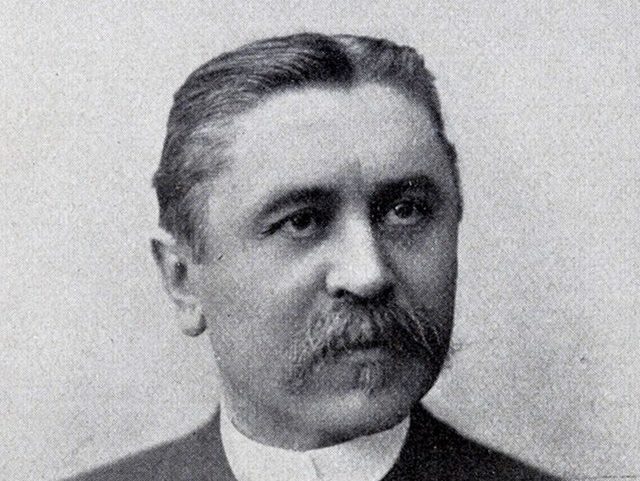
A recent book by historian Olivier Meuwly invites us to take a closer look at this Neuchâtel native, who was elected to the Swiss government at the age of 31. An inspiring figure in his own right, this radical who became a liberal-conservative over time retains an air of mystery about him.
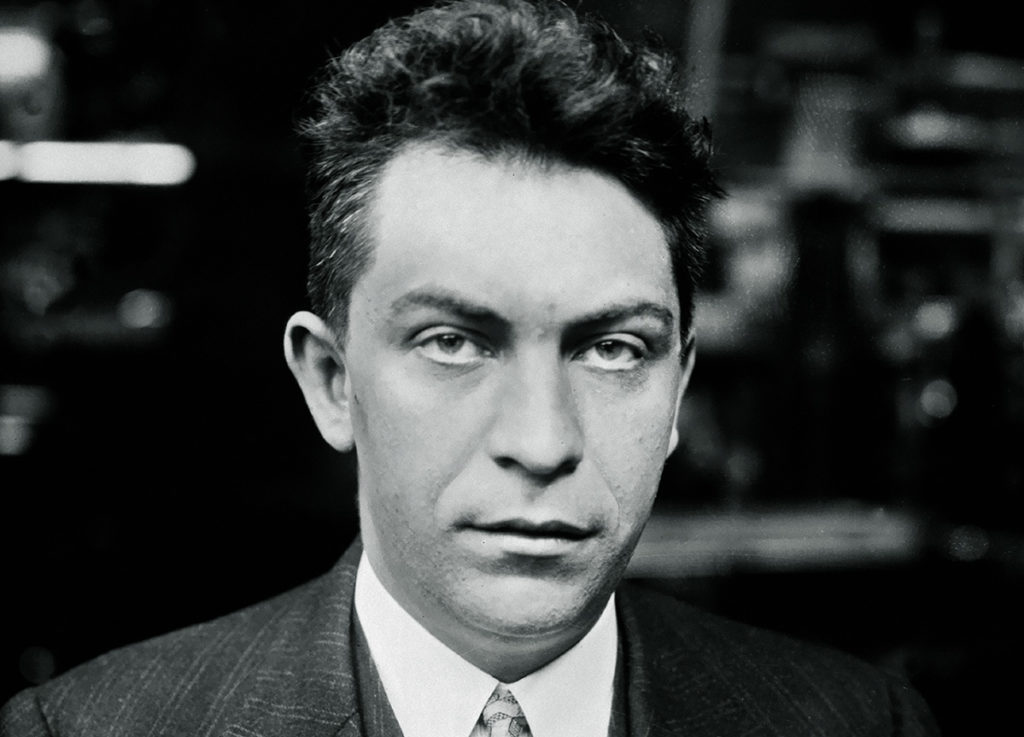
His reporting and exile took him to the four corners of Europe to document the upheavals of his time. Today, Seville's Manuel Chaves Nogales has re-emerged as the best Spanish journalist of the 20th century.
French essayist Samuel Fitoussi publishes «Pourquoi les intellectuels se trompent», an incisive essay on the mechanisms that drive certain brilliant minds to defend absurd ideas, with sometimes disastrous consequences.
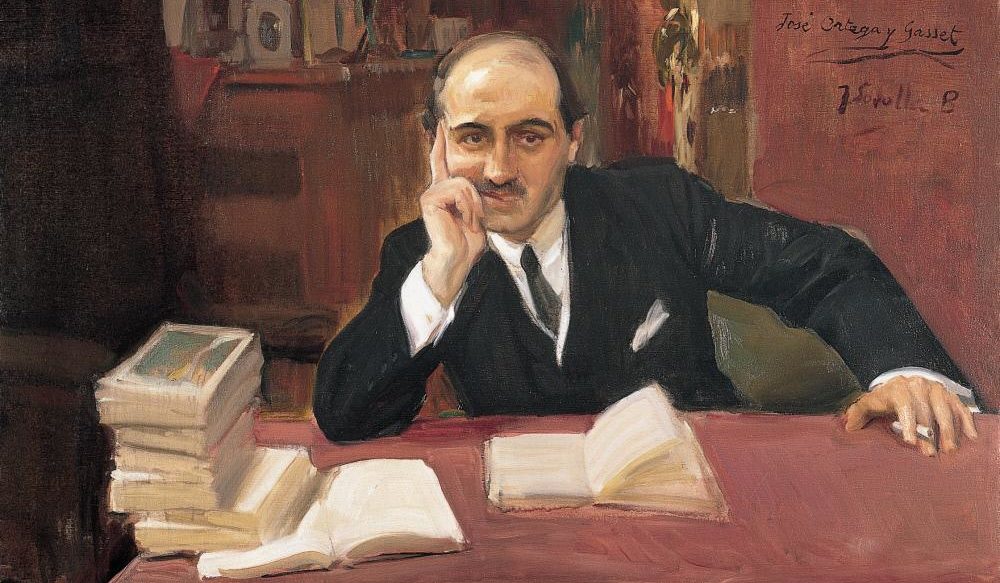
José Ortega y Gasset rarely figures among the most quoted and studied philosophers. Yet his political, social and moral diagnoses are still relevant today. Portrait of a major thinker of the 20th century.
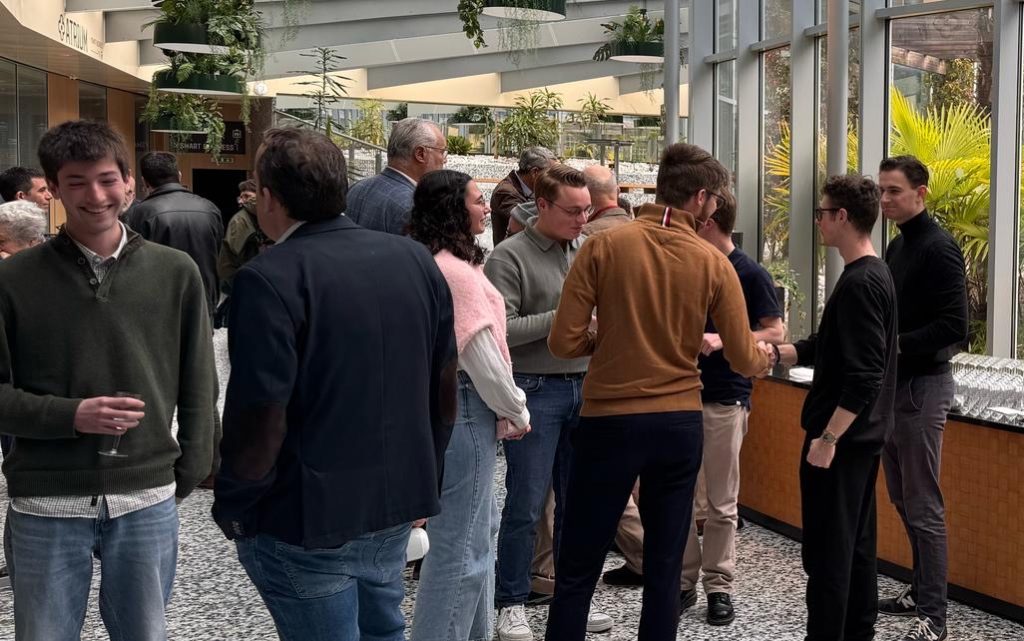
The limits of free speech, its expression through caricature and the challenges posed by wokism to this fundamental right. These themes were at the heart of the 2025 edition of this annual meeting, co-organized by Le Regard Libre, which took place on Saturday.
At a time of geopolitical turbulence, interventionism may be desirable, provided that political power is capable of reversing course afterwards. However, nothing is less certain for a country like France, which is already over-indebted.
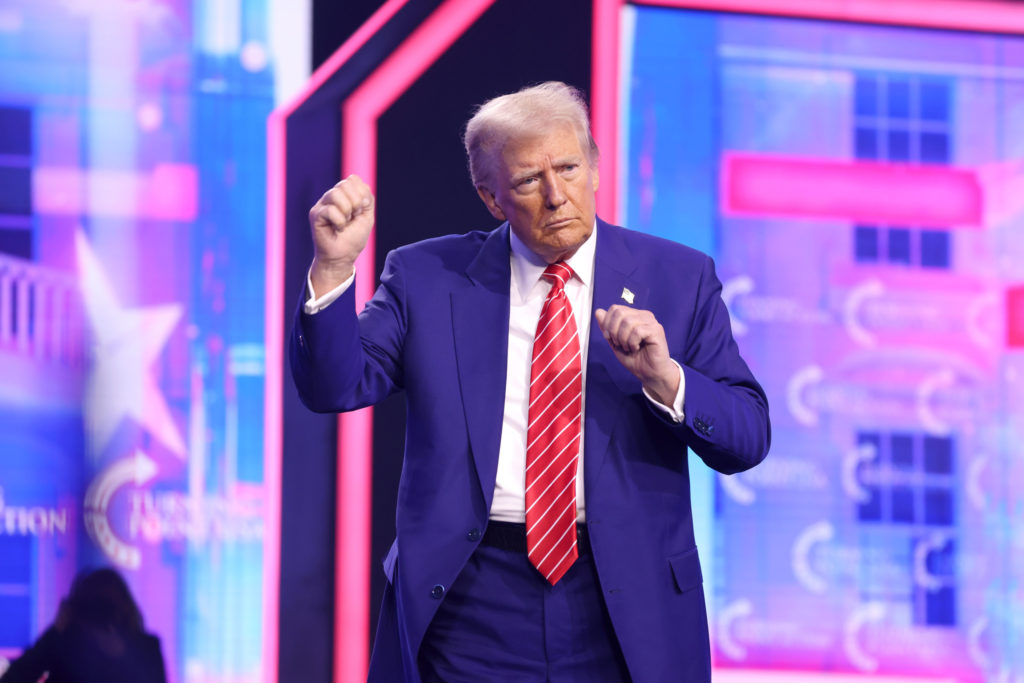
The victories of Trump and Milei place the European right at an ideological crossroads. Precisely in order to avoid falling behind, especially economically, the Old Continent urgently needs to draw on its own intellectual heritage.
Dans «Ce que je veux sauver», Peggy Sastre défend les fondements de l’universalisme à opposer au tribalisme et au relativisme. L’éditorialiste au Point juge la France particulièrement vulnérable face à ces courants qui gagnent en puissance.
Karl Popper understood that science and responsibility are inseparable. This is particularly true today.





 French
  German
  English