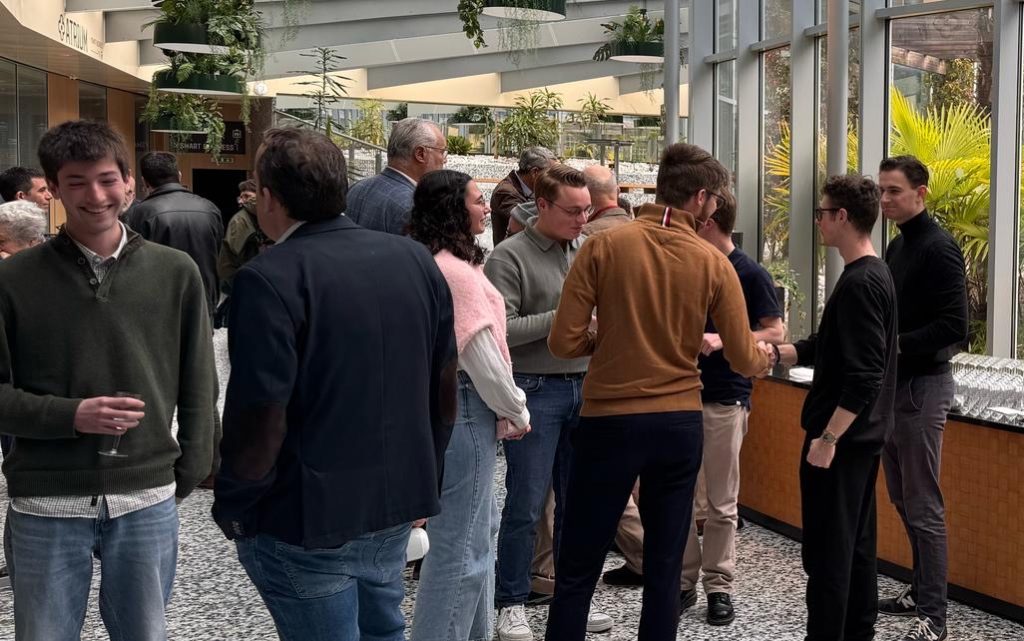
The limits of free speech, its expression through caricature and the challenges posed by wokism to this fundamental right. These themes were at the heart of the 2025 edition of this annual meeting, co-organized by Le Regard Libre, which took place on Saturday.
At a time of geopolitical turbulence, interventionism may be desirable, provided that political power is capable of reversing course afterwards. However, nothing is less certain for a country like France, which is already over-indebted.
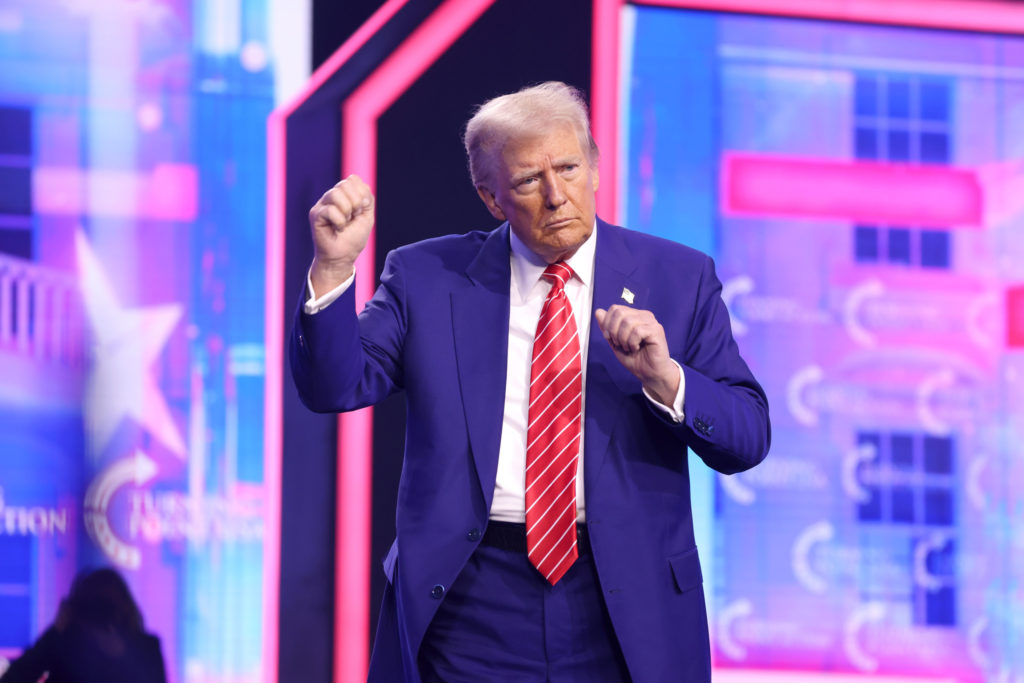
The victories of Trump and Milei place the European right at an ideological crossroads. Precisely in order to avoid falling behind, especially economically, the Old Continent urgently needs to draw on its own intellectual heritage.
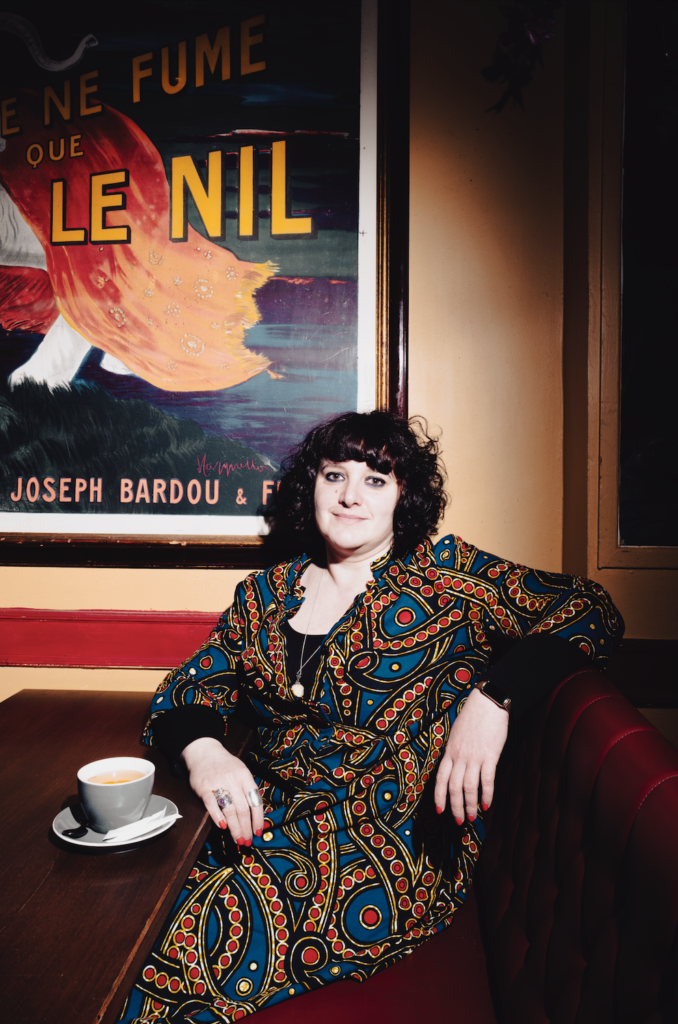
In «Ce que je veux sauver», Peggy Sastre defends the foundations of universalism against tribalism and relativism. The editorialist at Le Point believes that France is particularly vulnerable to these increasingly powerful trends.
Karl Popper understood that science and responsibility are inseparable. This is particularly true today.
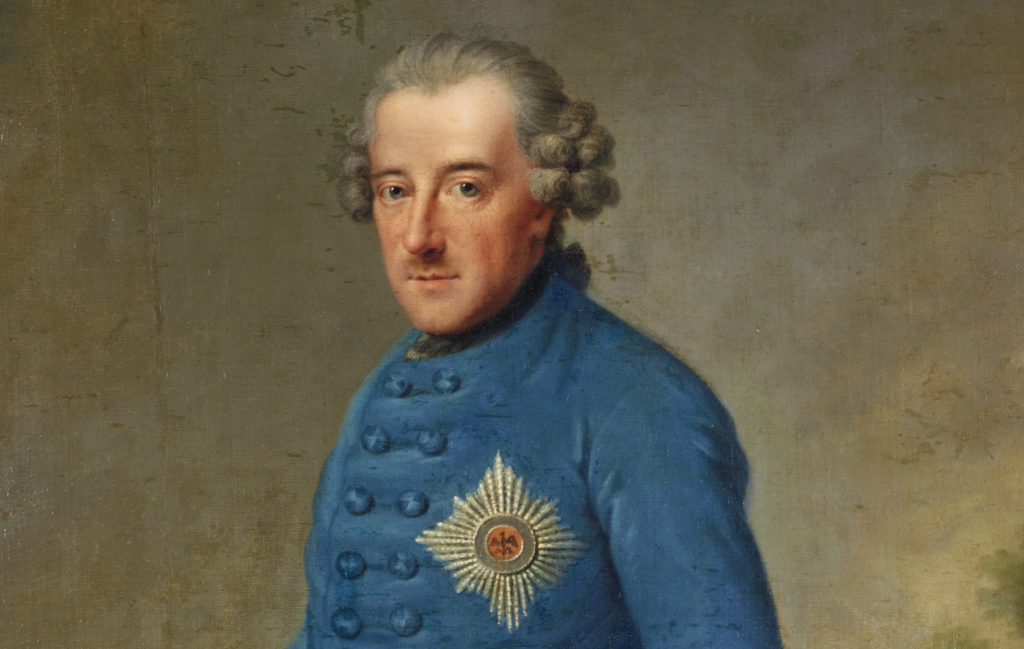
Many studies of the reign of Frederick II, King of Prussia from 1740 to 1786, emphasize the authoritarian nature of the regime he led. To leave it at that, however, would be to overlook the liberal orientation of the political writings of this «enlightened despot».
Liberalism doesn't claim to say everything. It only answers the question of the political organization of society, which must be based on respect for negative freedoms. This in no way precludes a positive and complementary conception of freedom.
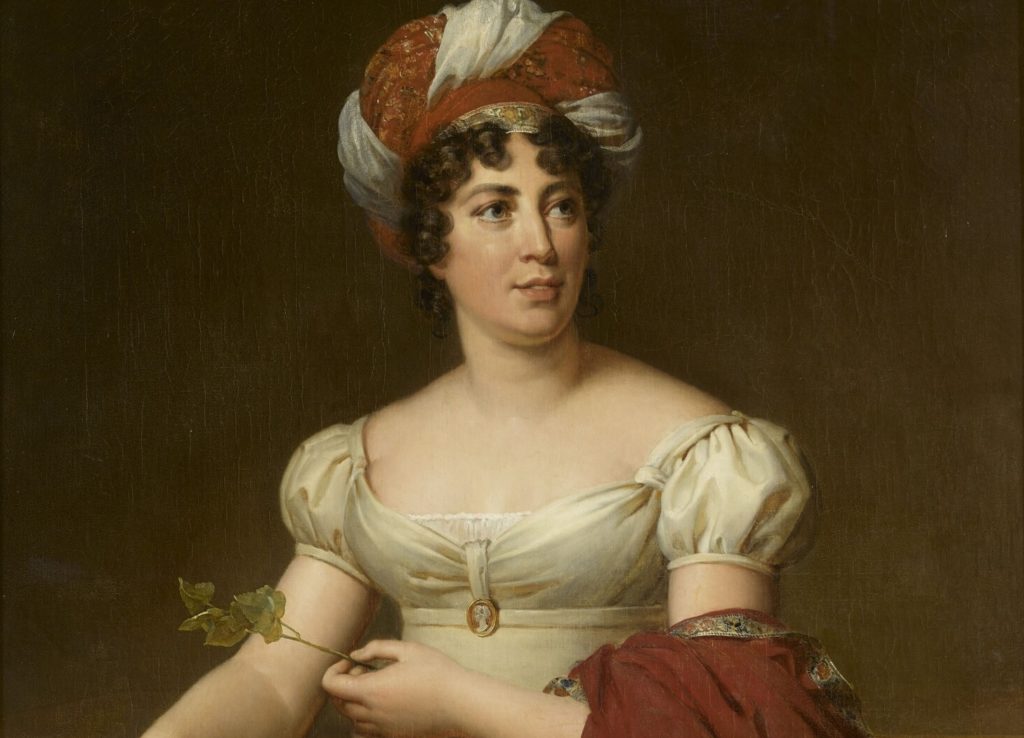
As a daughter of the Enlightenment, Germaine de Staël naturally embraced the liberal discourse. But she developed it by associating it with the idea of the nation, a reflection of the Romanticism of the time, which liberalism had come to tame with the concept of the nation-state.
The Austrian school of economics, which has recently re-emerged in the news, distinguishes itself from the dominant «neoclassical» theories, notably by redefining the value of a good as the importance that individuals attribute to it. Here's how it works.






 French
  German
  English