Lawyer, historian and Les Républicains MP for the third constituency of Seine-et-Marne, Jean-Louis Thiériot is the author of the first French-language biography of Margaret Thatcher. Ten years after her death, we take a look back at a personality who left her mark on history.
Surrogate motherhood is not legal in Switzerland. Like other bioethical issues, it marks a deep division between conservatives and progressives. This is an opportunity to attempt a definition of these terms, a few months ahead of the federal elections.
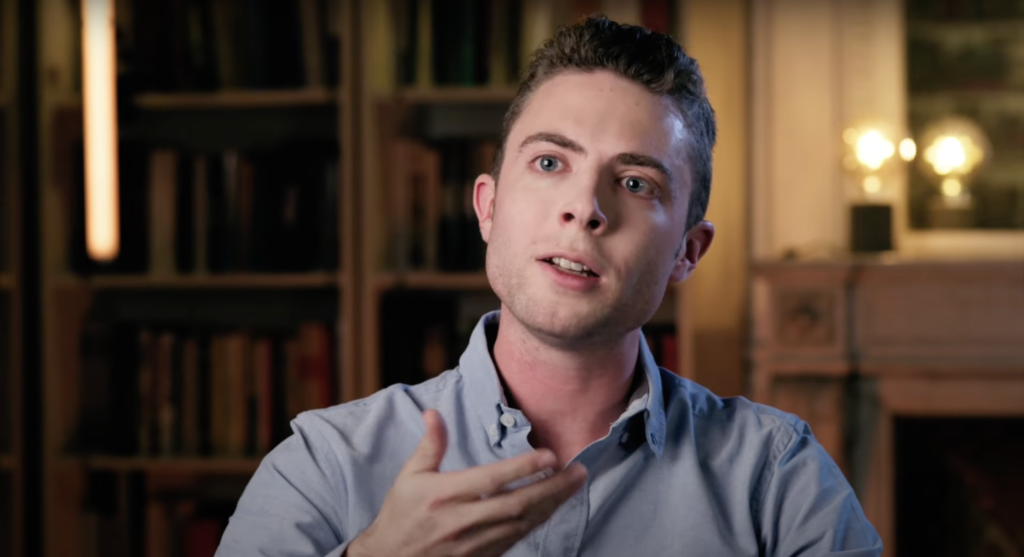
The Liber-thé media recently invited me to take part in a video interview on the subject of wokism and how it can be criticized from a classical liberal point of view. The Ligue vaudoise also invited me to speak on the subject on a Wednesday in March. Here's what I had to say.
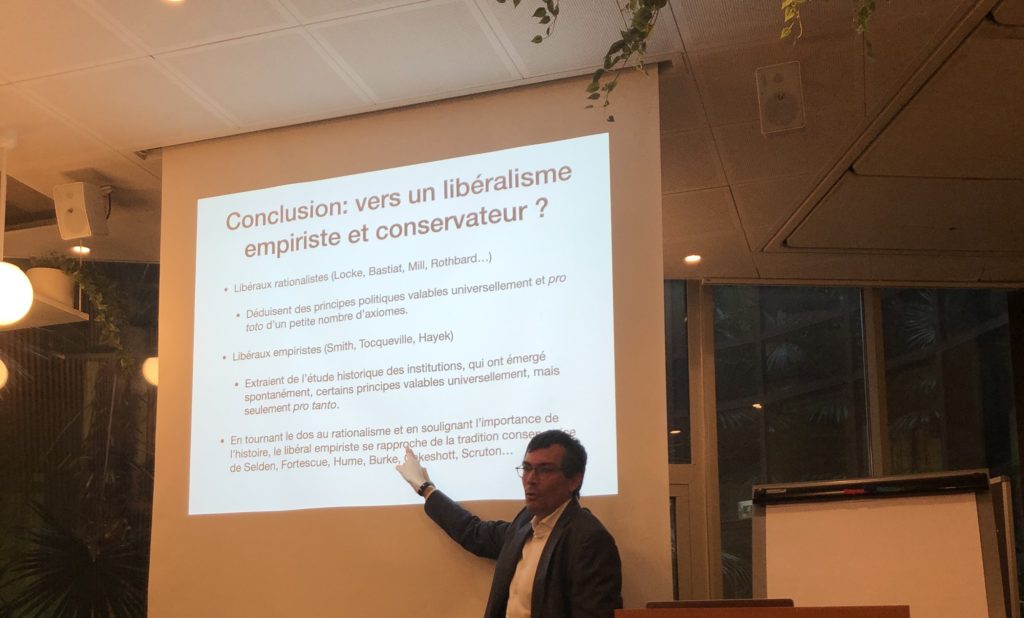
On Saturday, at the Journée libérale romande co-organized by Le Regard Libre, Olivier Massin, Director of the Institute of Philosophy at the University of Neuchâtel, showed what kind of liberalism it is wise to defend if you value the idea of education. Striking.
Everyone dreams of a school free of political influence. But isn't that just wishful thinking? History reminds us that it is through schools that the future of a society is at stake. In Switzerland, it was even through politics that peace was achieved.
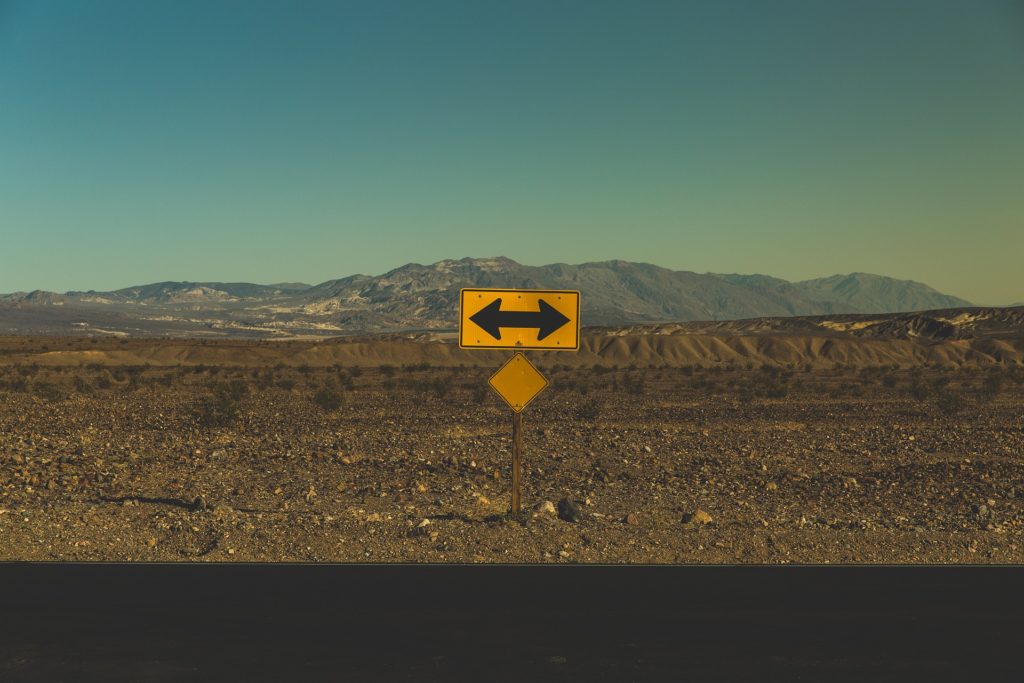
Ask anyone if they're right or left-wing, and they'll probably know the answer. Not sure, however, whether they can fully justify their answer. But is the question itself relevant?
Liberalism and conservatism seem to be philosophically opposed, but meet with certain marriages in politics. So, are they compatible or incompatible? Two members of our editorial team cross swords in our feature on current cleavages.
In 1978, the Polish philosopher Leszek Kolakowski, a dissident exiled in Oxford, proposed a definition of liberalism, conservatism and socialism that made them compatible and set a course to follow.
Right-wing, left-wing, conservative, reactionary, progressive, liberal, socialist, communist, universalist, populist, environmentalist, interventionist, protectionist, sovereignist... so many labels that structure...









 French
  German
  English