Each month, Le Regard Libre presents a philosopher whose thinking is different from, or even the opposite of, that of...
Le Peuple is launching in French-speaking Switzerland this week as a biweekly print publication and a website. According to...
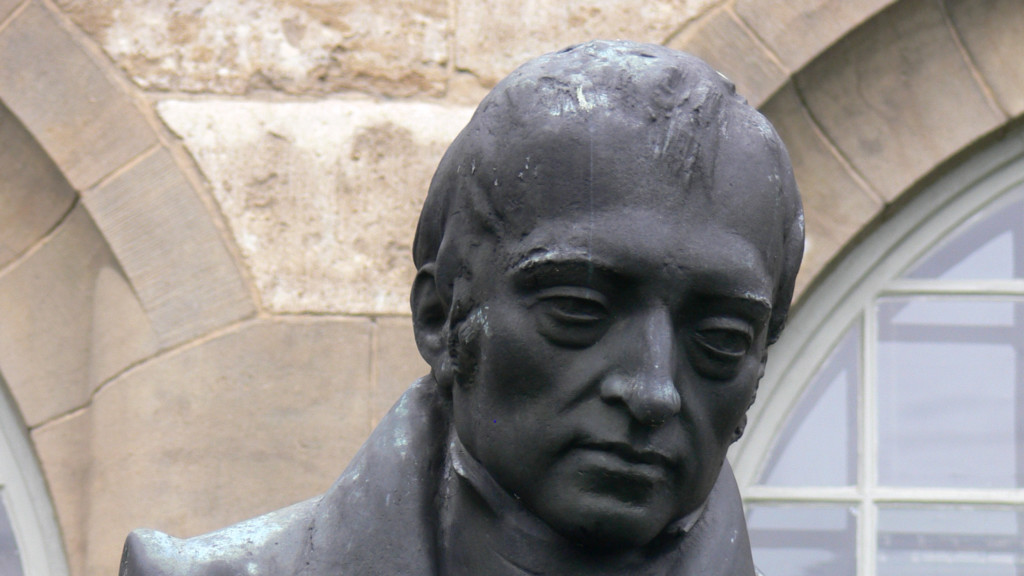
Each month, Le Regard Libre presents a philosopher whose thinking differs from, or even runs counter to, certain clichés circulating about him or her. In this article, historian of philosophy Daniel Schulthess explains how Adam Smith's famous concept of the «invisible hand» made him one of the fathers of economics and liberal thought. But our guest editor also shows that Smith, in his work, proposes a different vision of human beings and society than the current proponents of «neo-liberalism», as defined in this article.
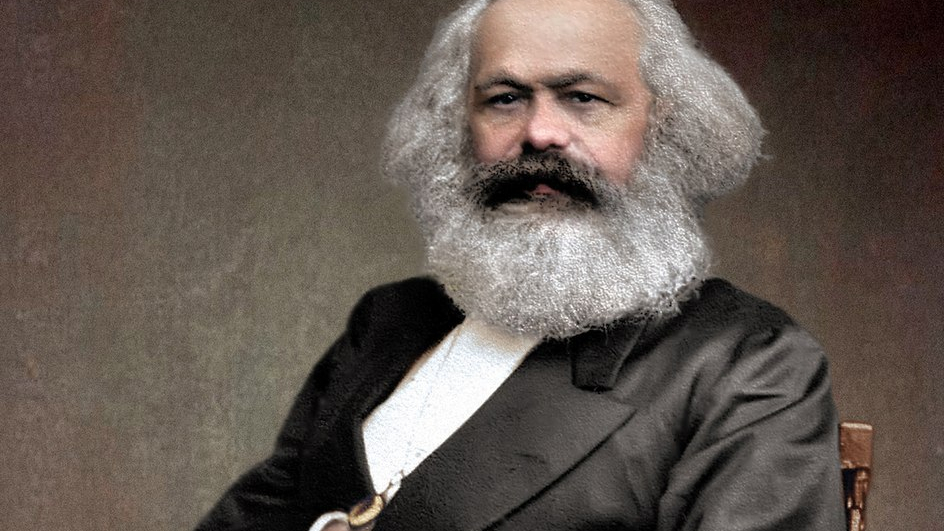
ANALYSIS, Olivier Meuwly | «It could be argued that the capacity of capitalist regimes to reform is partly due to Marx himself», asks Raymond Aron in his famous lecture on Marxism by Marx, delivered at the Sorbonne in the early 1960s, then at the Collège de France a decade later, and published in 2002 by Jean-Claude Casanova (Editions de Fallois). Is Aron indulging in his customary irony? Or are we to wonder whether, behind the provocative aphorism, lies not only the profound admiration that the great French liberal has always shown for the founding father of «scientific socialism», but also a warning to those who profess to analyze... or practice this same capitalism?
Each month, Le Regard Libre presents a philosopher whose thinking differs from, or even runs counter to, the clichés that circulate about him. Historian Olivier Meuwly opens the ball by arguing that Georg Wilhelm Friedrich Hegel did not advocate an authoritarian state. On the contrary, our guest editor locates certain theoretical foundations of liberalism at the heart of the Hegelian system. Direct democracy itself is no stranger to the German's vision, according to the historian.
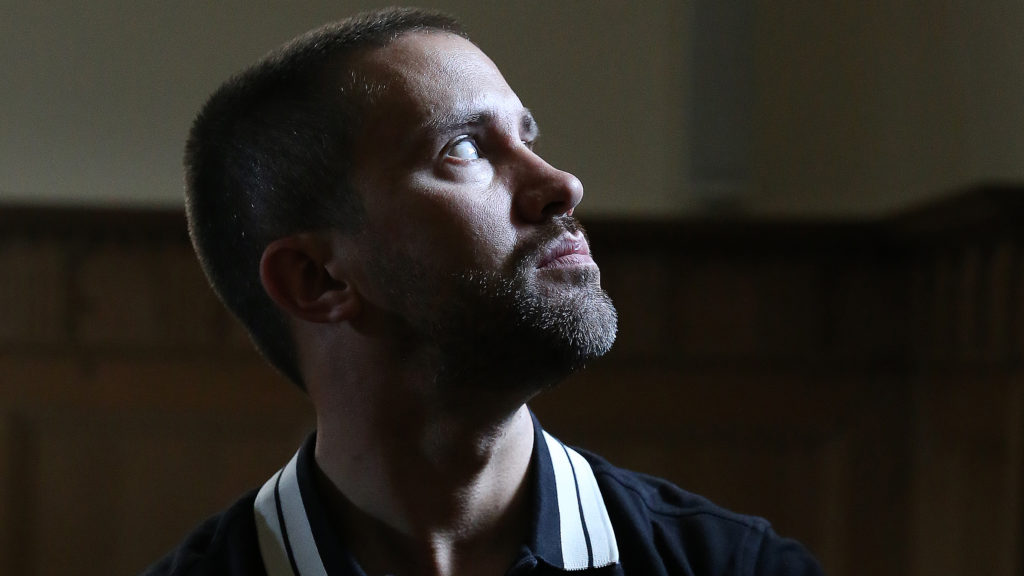
He has at least thirteen hats on his head, as many as the stars on his cantonal flag. At the very limited level of French-speaking Switzerland, he represents a (small) public voice. He proposes his way of seeing the world to anyone who will listen: through the Appel Citoyen movement he co-founded, the Foraus think tank he vice-chaired or the ethics laboratory he still co-directs. He also unpacks his values on 19h30 when he is invited to talk about fundamental freedom, on Le Temps when he conducts a questionnaire on sustainability, or on his blog when he analyzes current events while presenting the object of his research. And when you're a philosopher, «the object of your research» is vast. And diluted.
According to Pierre Bessard, there's no doubt about it: wealth-creating capitalist globalization reduces the negative effects of epidemics.
Future of the planet, Covid-19...
We're not talking about an economic system or a political philosophy here: we're talking about an attitude - the liberal attitude.








 French
  German
  English