



Section: Society

«Tired of thinking about the crisis, we've started to recite it».»
Each month, read a column by one of the four prominent figures who take turns contributing to our publication. In his column, writer Quentin Mouron explores a current topic with his usual sharp wit.
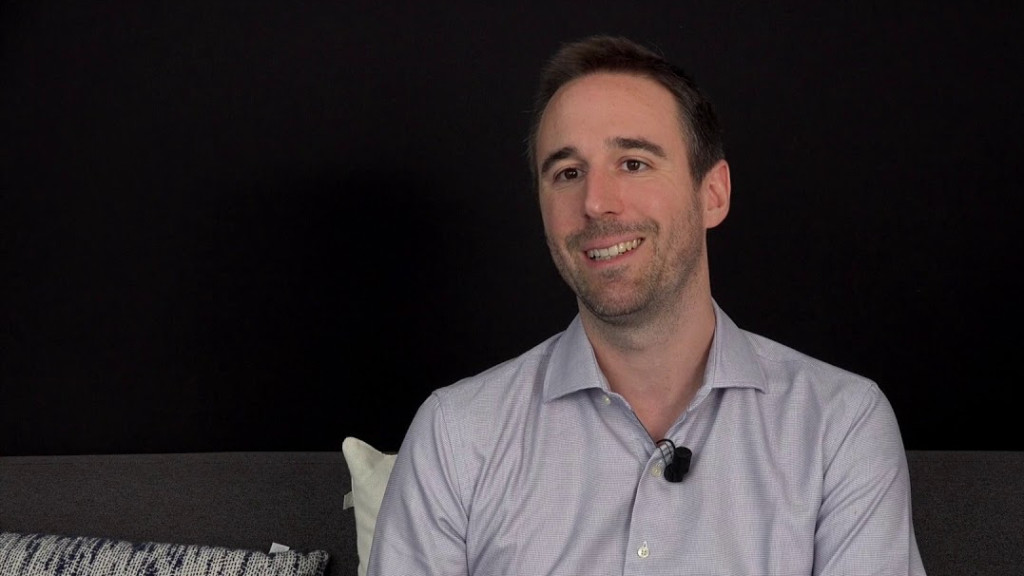
«The public receptive to conspiracy theories has widened»
Over the past year, the coronavirus crisis, with all the questions, insecurities and frustrations it has brought, has given rise to a number of conspiracy theories, the scale of which has continued to grow. These simplistic and, in some cases, dangerous theories, as distinct from opinions critical of the management of the crisis or the doubt inherent in science itself, are well and truly present. How can we explain the success of conspiracism in the age of Covid-19? Back to basics with Laurent Cordonier, sociologist and specialist in this phenomenon.

Champ et hors-champ (carte blanche by Patrick Gilliéron Lopreno)
LONG FORMAT ARTICLE, Patrick Gilliéron Lopreno | Swiss photographer Patrick Gilliéron Lopreno presents us with a photographic «carte blanche» dedicated to the Swiss painter Eugène Burnand to mark the centenary of his death.
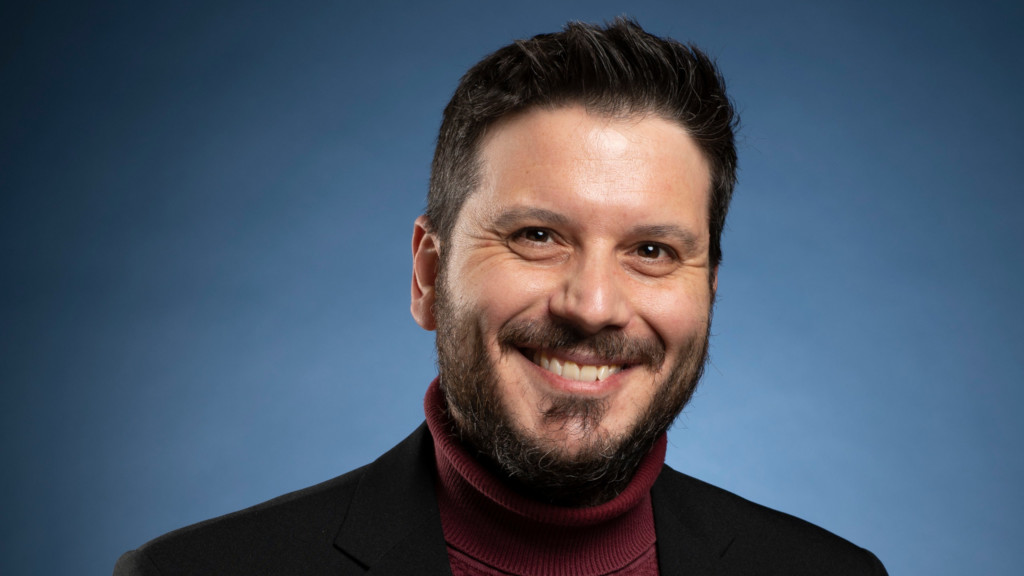
Arguing over rights: man is not an abstraction
Communitarian discourse, currently in vogue and carried by minorities in need of an existence rather than victims of real repression, is torpedoing the fine 19th-century idea that the freedom of minorities should be preserved and defended, by transforming it into a weapon against freedom of expression, which includes, among other things, the right to humor. It is to be feared that the controversy provoked by French-speaking comedienne Claude Inga-Barbey's sketch dramatizing the difficulties of naming gender transformations illustrates an era marked by the thought police. From a philosophical point of view, this situation conceals an opposition between two types of universalism, that of proclaiming the rights of Man versus the rights of men.

The Viking myth
The figure of the Viking has steadily gained in popularity over the last few decades. Its depictions in a whole range of works and video games are often caricatured, sometimes grotesque and even dangerous in terms of identity ideologies. So let's take a look at who the Scandinavians of the early Middle Ages really were, and how the image we have of them today has been created over the centuries.
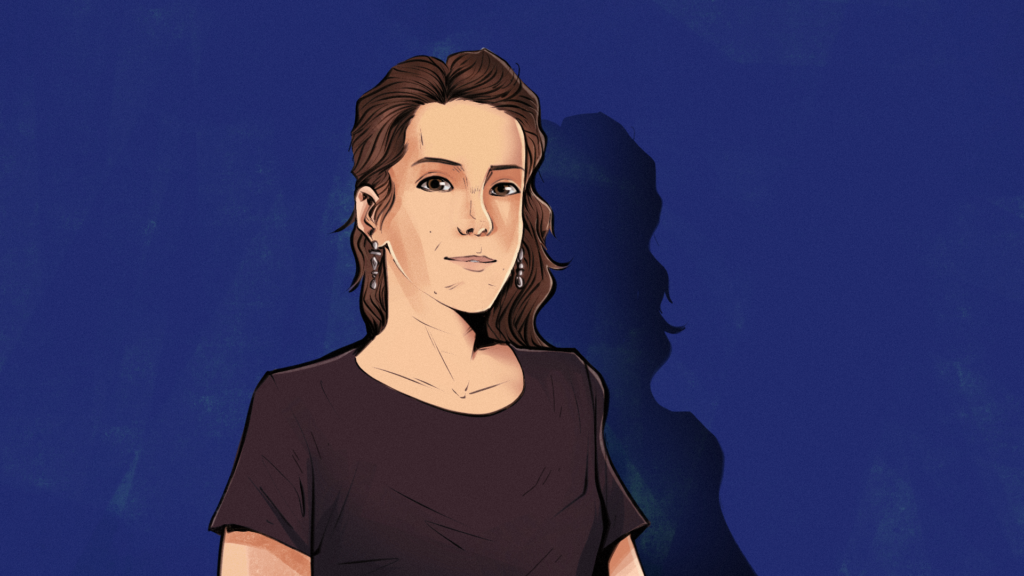
Sophie Woeldgen reports: Small emotional arrangements
Every month, we feature a column by one of the personalities who take turns writing for Le Regard Libre. Freelance journalist Sophie Woeldgen shares her views as a reporter in the Middle East on an itchy subject.
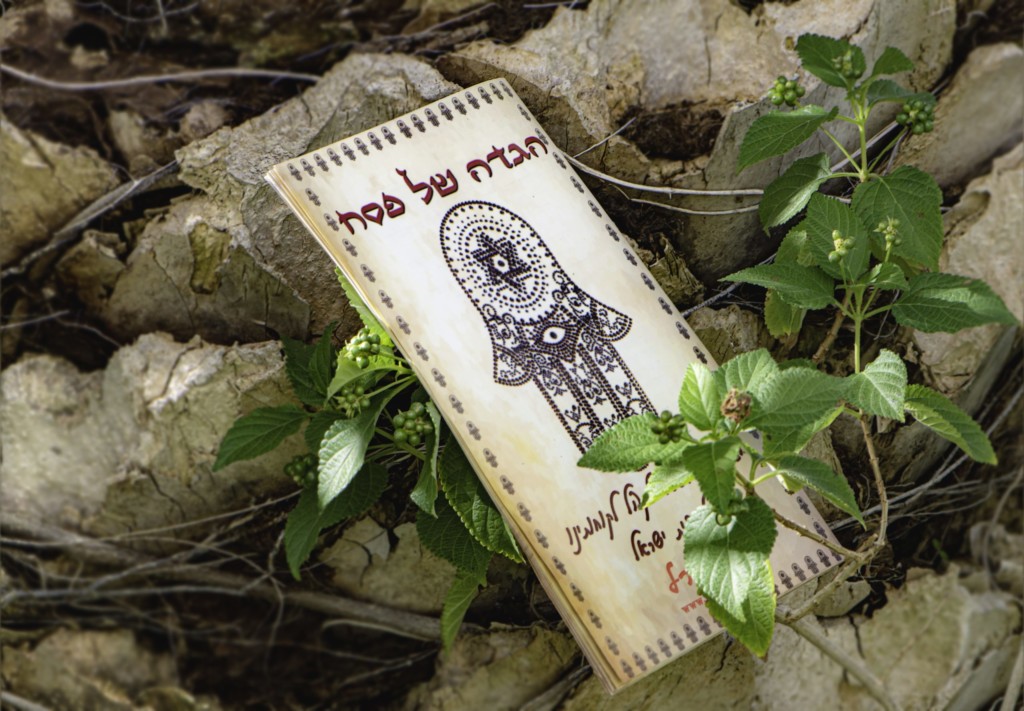
Where does Easter go?
LONG FORMAT ARTICLE, Eugène Praz | A few weeks ago, many of us celebrated Easter. We often wonder where it comes from. But where is it going, and what does it mean in our time? Here's a look at the intersection of Christianity and Judaism.
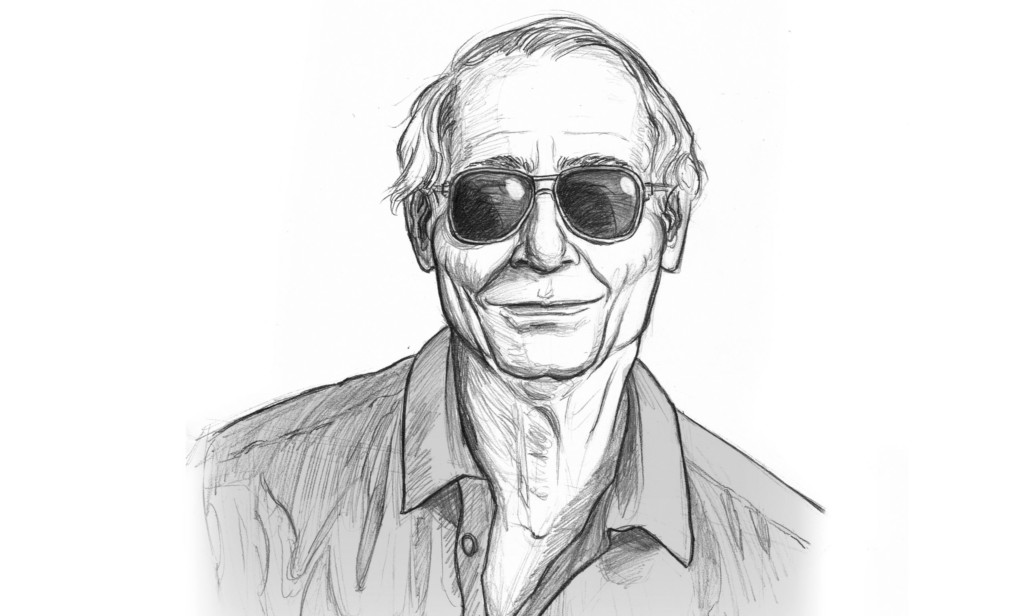
Roland Jaccard's film: A tip of the hat to Lausanne
Each month, we feature a column by one of the personalities who give us the pleasure of taking up the pen in turn. Writer Roland Jaccard recounts his favorite film, as implausible as it is politically correct: the movie of his life.
 French
  German
  English