In his column, former Federal Councillor Pascal Couchepin shares a book that has left a lasting impression on him. This month, he explores the origins of the United States through Percival Everett's «James».
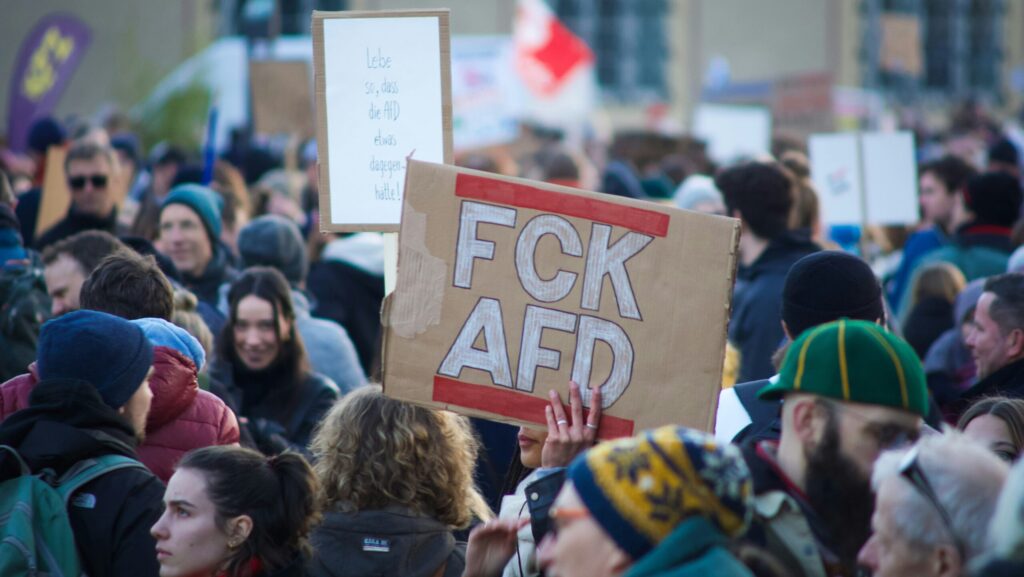
The term populist is a modern invention. Yet it says nothing about a dynamic whose mainspring can be found as far back as antiquity: criticism of the imperfections of the political system, with the aim of amending it.
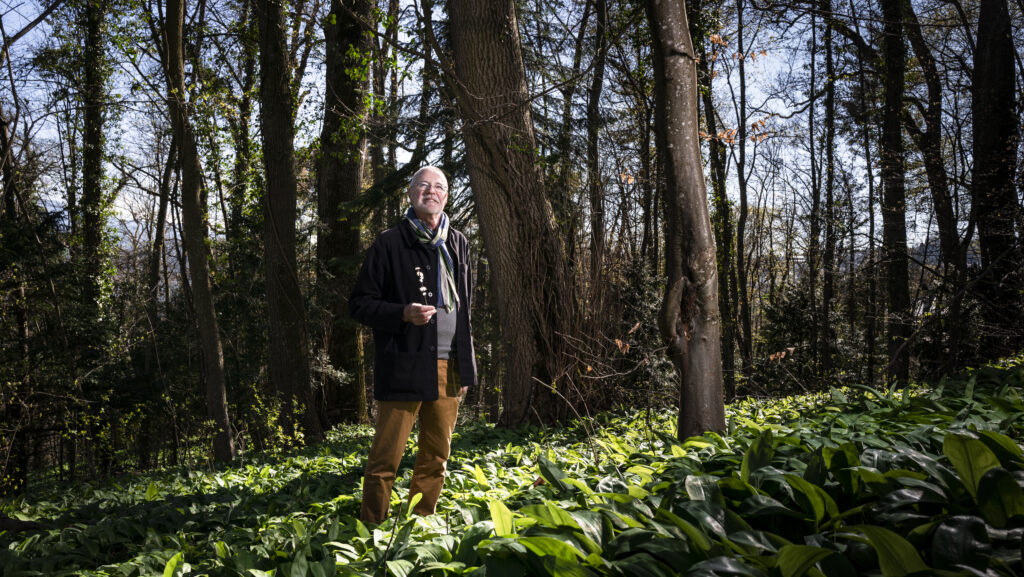
Author of a canonical «History of Switzerland» and of recent guided walks in his series «Au fil de l'histoire suisse», the university professor welcomes Le Regard Libre a few steps from the medieval ramparts of Fribourg.
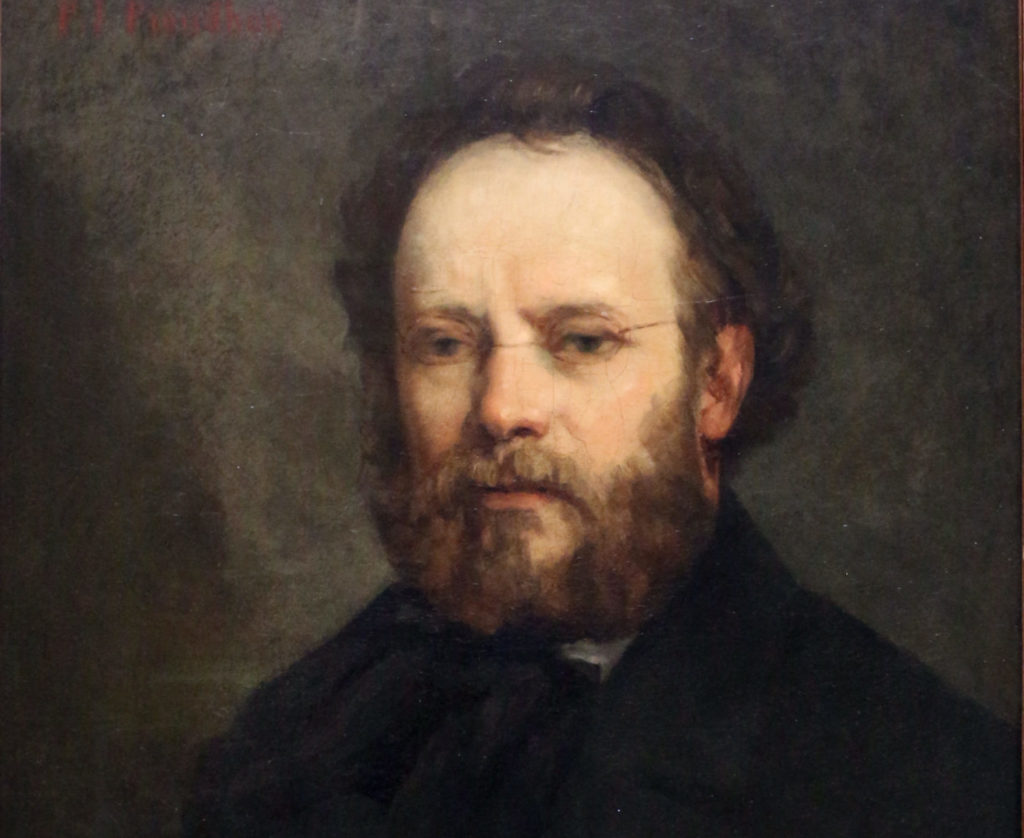
Liberals have long been reticent about the federalist idea. But the development of their conservative wing prompted them to reconsider their position. Today, federalism is seen by liberals as a pillar of the Swiss entrepreneurial spirit.
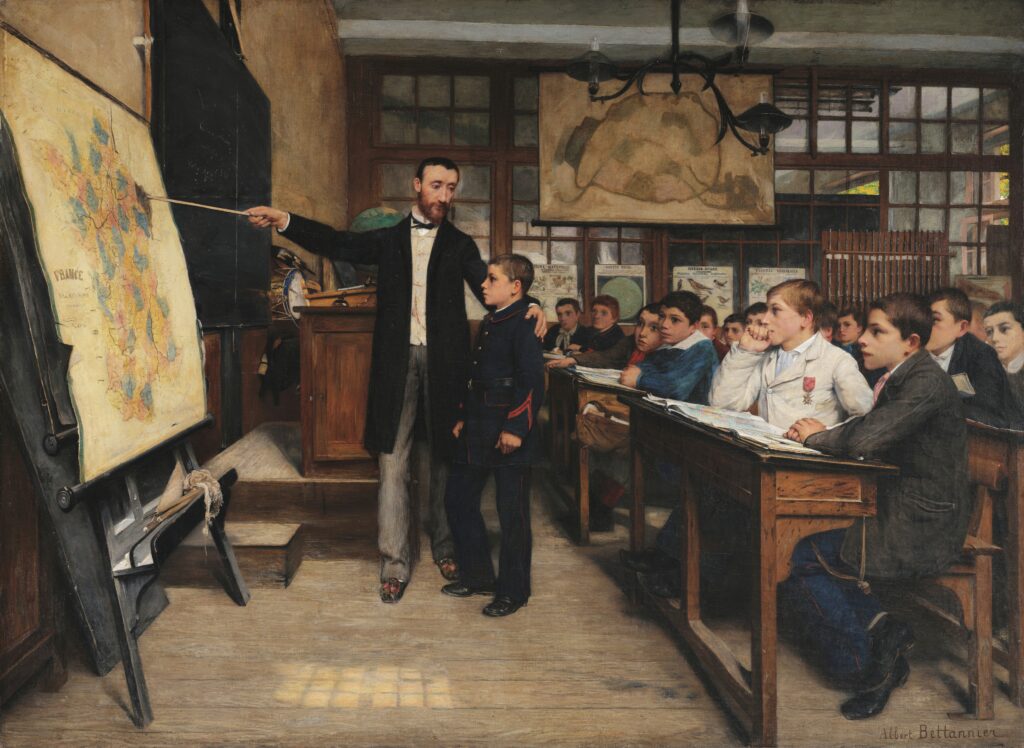
Since the French Revolution, democracy has often been contested in its representative form, and has never completely erased the authoritarian aspirations of certain schools of thought. Yet direct democracy has not escaped criticism.
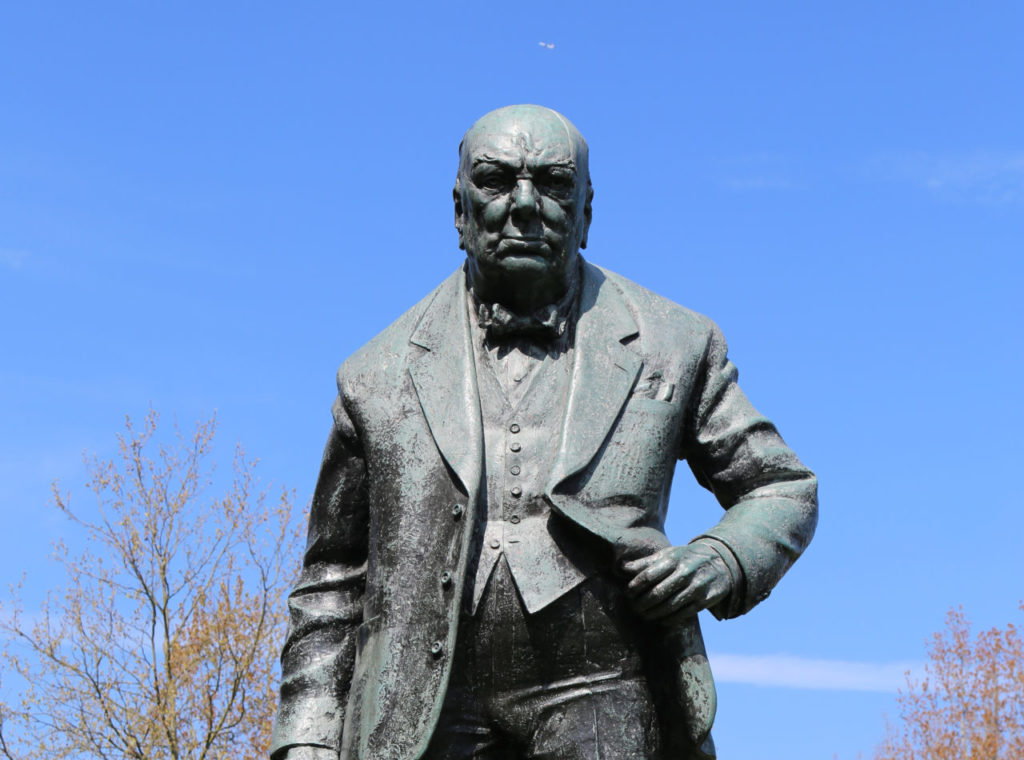
When he died sixty years ago, Winston Churchill was universally celebrated as Britain's saviour. Today, his statue is the target of vandalism. This deterioration in his image can be explained by several historiographical turning points.
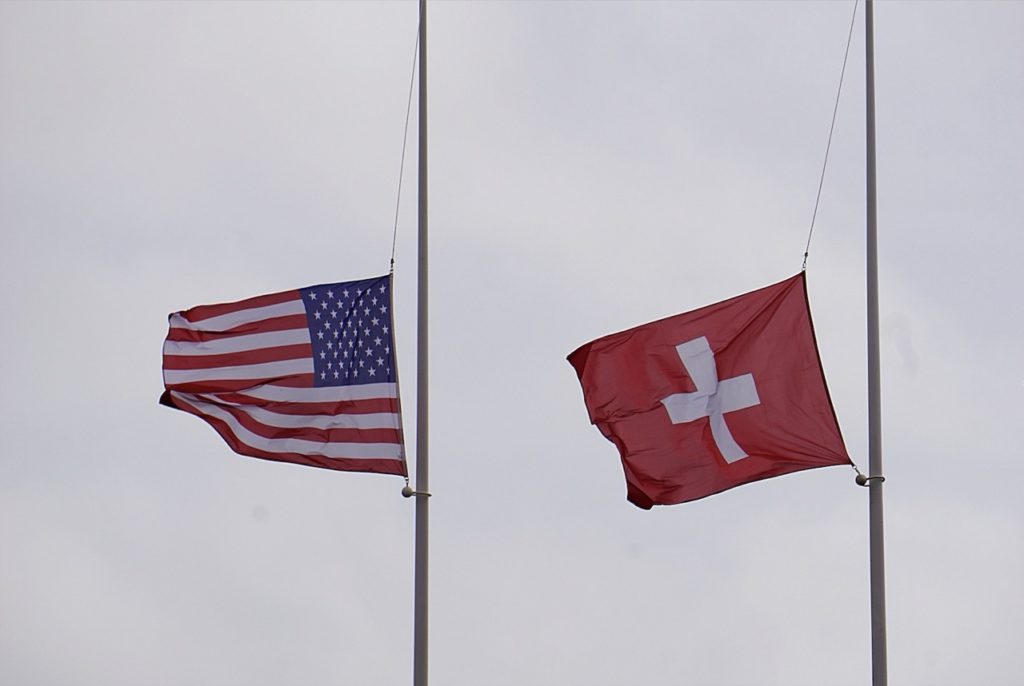
While Switzerland borrowed its federalist system from the USA, the growth of direct democracy across the Atlantic was stimulated by the Swiss model. This is the story of the common destiny of these two countries, which was not only played out in their capitals.
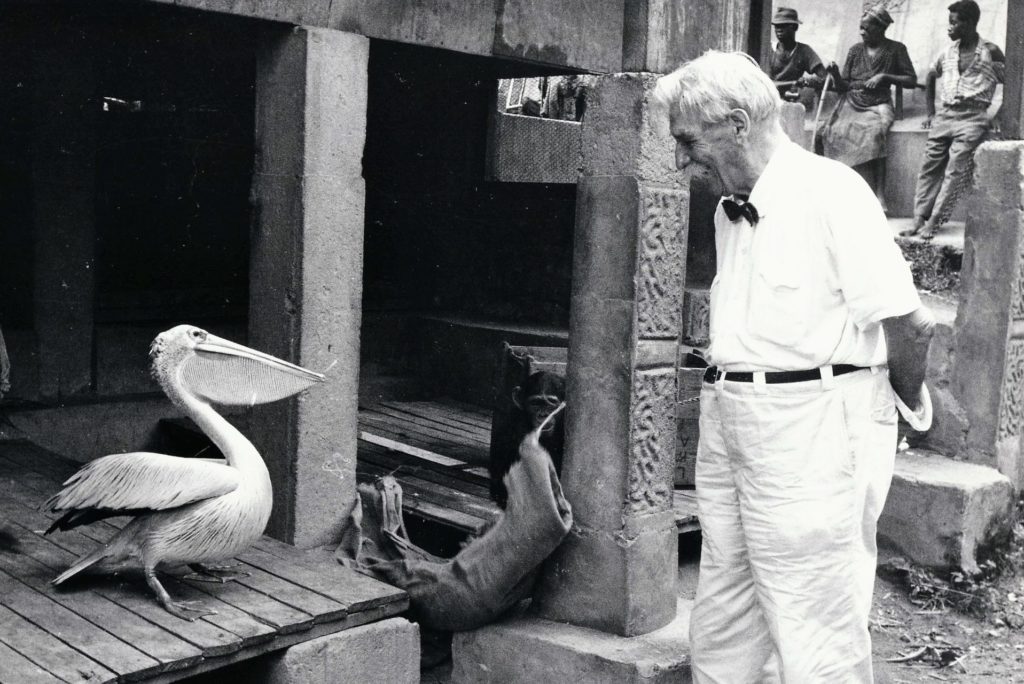
The Alsatian physician and pastor extended ethics far beyond human relations. Inspired by a revelation in the heart of Africa, he forged a universal ethic embracing people, animals and nature, prefiguring modern ecological ethics.
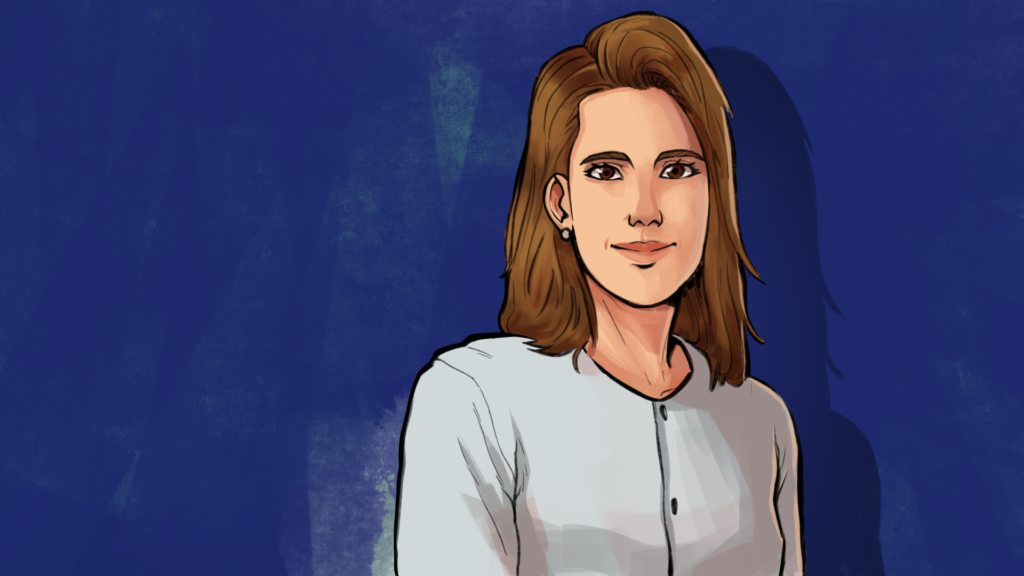
Journalist Marianne Grosjean sends out a message in each of her columns. This month, she reminds us that, from Antiquity to the present day, women have borne an essential responsibility.







 French
  German
  English