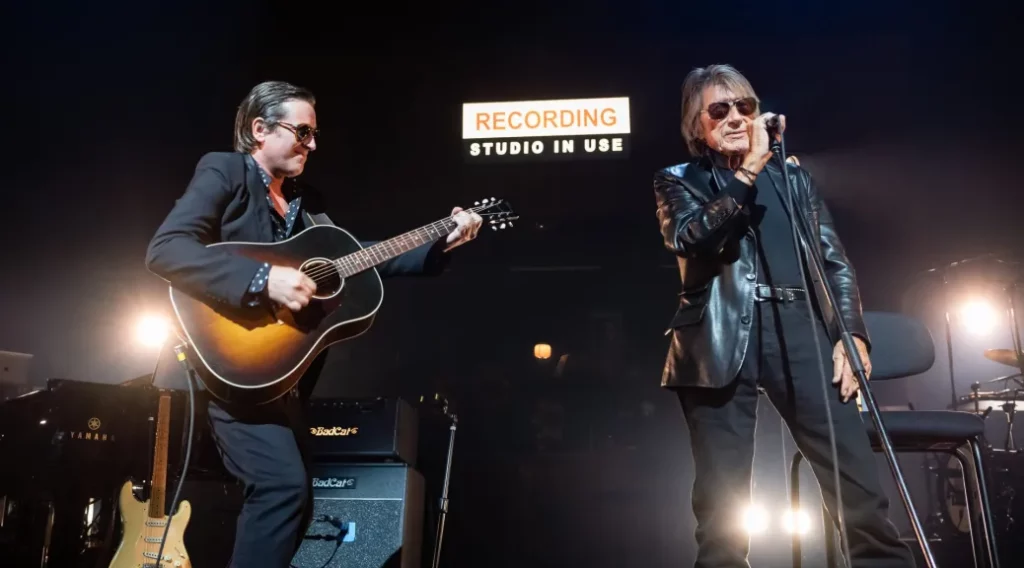
En première suisse, le père et le fils Dutronc ont foulé les planches de l’Auditorium Stravinski sous les yeux ravis...
He had been spotted on the festival's free stage by a man named Claude Nobs, who had propelled him to fame the very next day...
Quatre ans après son dernier concert à l’auditorium Stravinski, le profil svelte et le costume trois pièces sont identiques. En...
Unpublished Article – Fanny Agostino During her visit to Neuchâtel for a concert at La Case à Chocs,...
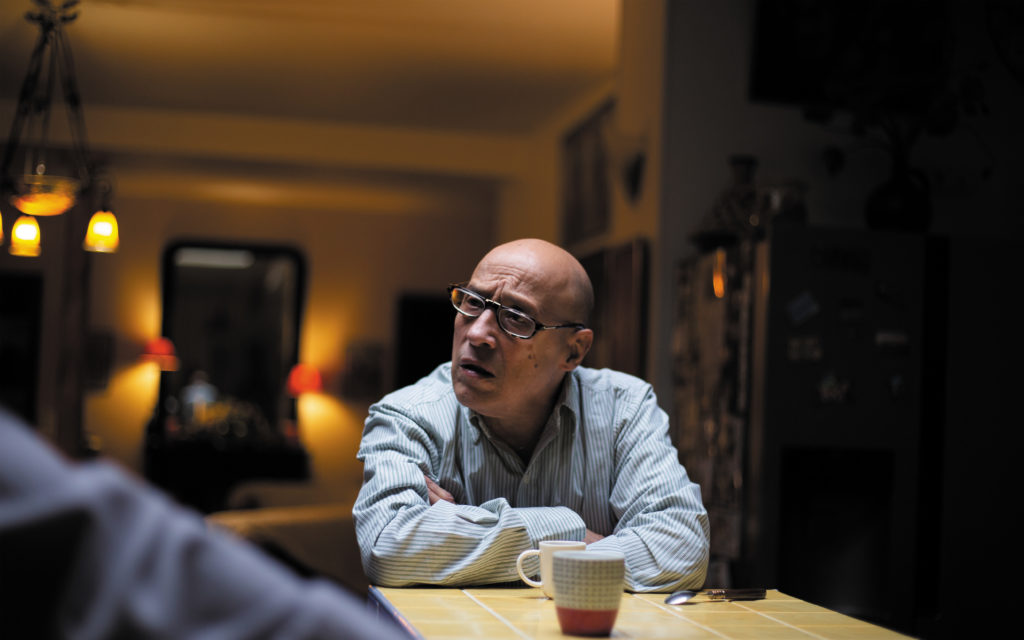
LONG-FORM INTERVIEW, Daniel Wittmer | As the manager of many legendary musicians over the past fifty years, Raymond Gonzalez talks about his career and shares never-before-told stories from his extraordinary journey. Let’s be clear: he has nothing to promote or sell here—no album, no single, no concert, no kamagong wood ashtray brought back from a Tibetan market in the summer of 1994. In addition to his immense generosity and exemplary courage, he is an extraordinary producer. He managed Nina Simone for twenty years. Just writing that is worth its weight in peanuts, ladies and gentlemen. In the world of Music (don’t argue—in this case, the capital «M» is absolutely warranted), he is one of those rare figures working behind the scenes who have sometimes helped bring legendary celebrities into the world, make them known, ensure their existence, and help them “live or survive” in the worlds of jazz, blues, rhythm and blues, and rock ’n’ roll. Born on November 13, 1946, in New York, where he grew up and later studied law, he arrived in Europe in the early 1970s—first in Spain for a few months, then in Paris. It was from there that his destiny took a sensational turn.
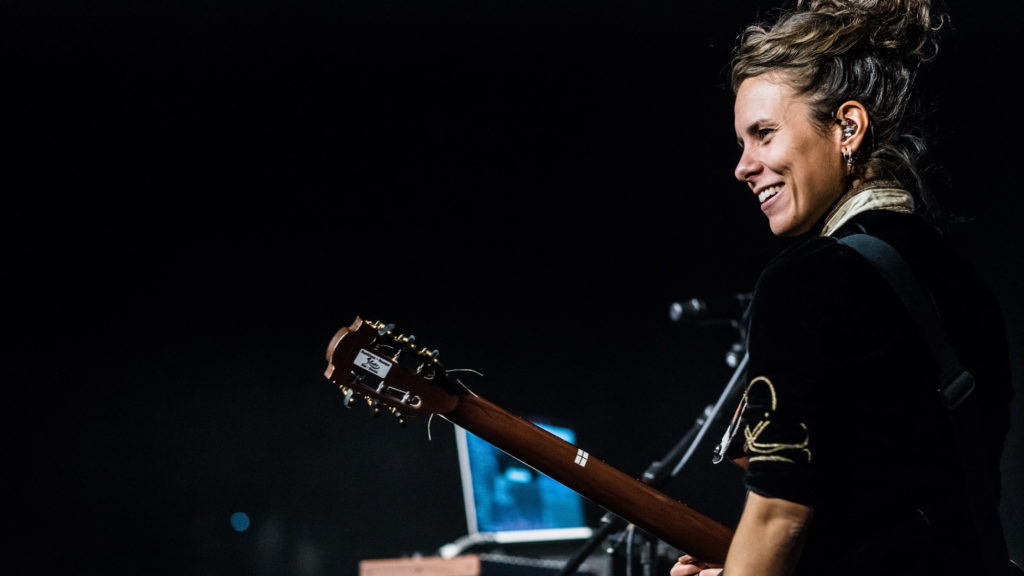
Unpublished article - Erica Berazategui Born in Biel/Bienne, Fanny Diercksen, or more commonly Phanee de Pool, has enjoyed sensational success,...
I'm a little embarrassed to think that Mozart is the classical composer par excellence, as opposed to the Baroque or Romantic composers. The word «classical» evokes regularity and order. But there's something original, profound and authentic in Mozart's music that doesn't quite fit in with classicism. This article, based on a lecture by pianist Jean-François Zygel, describes the subtle processes that explain Mozart's pre-Romanticism.
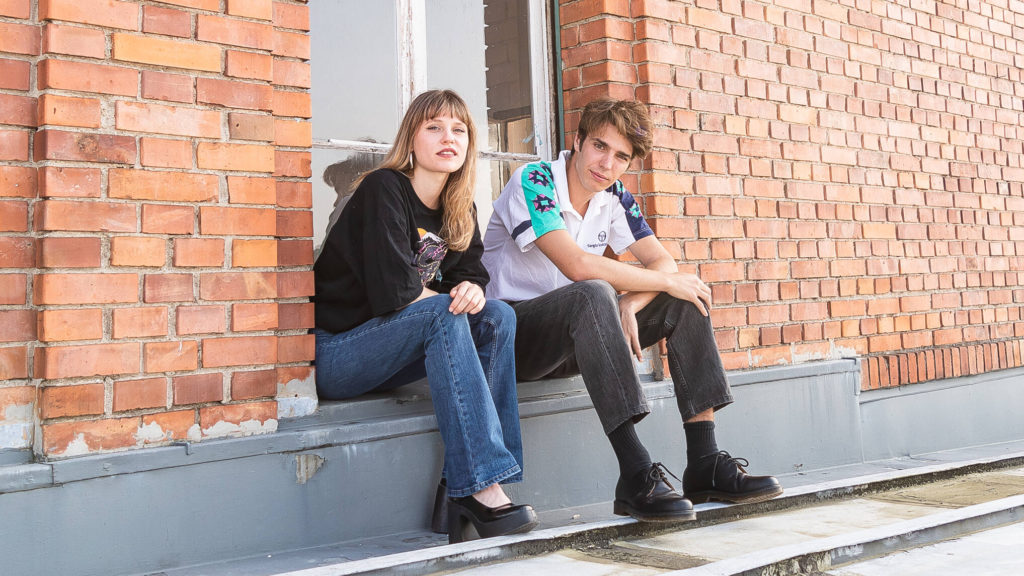
They're both 24, studying contemporary history at the University of Fribourg, and are among the most successful bands in French-speaking Switzerland this summer. Faustine Pochon and Arnaud Rolle, committed but not militant, make up the French-speaking indie pop duo BARON.E. Revealed in particular by the presence of their single Un verre d'égo in a playlist of the prestigious French magazine Les Inrocks, but above all by the quality of their work as measured by their listeners and spectators, the Dzodzets of the moment present us with their new EP Créature, comprising, like the previous one, five songs situated between pop, electro and progressive rock. They invite us to meet them on the rooftops of Fribourg, their home town, to talk about music and society.
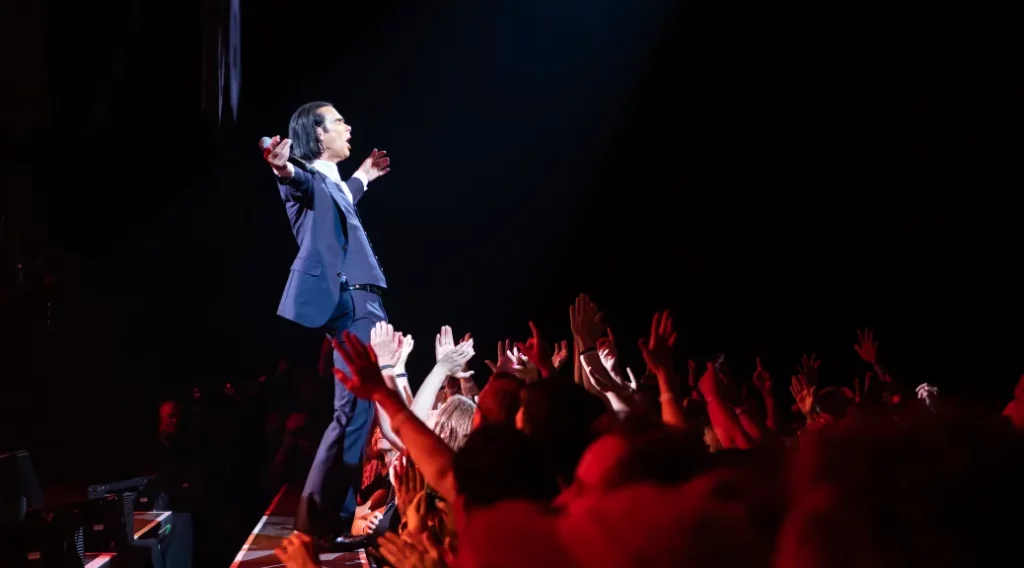
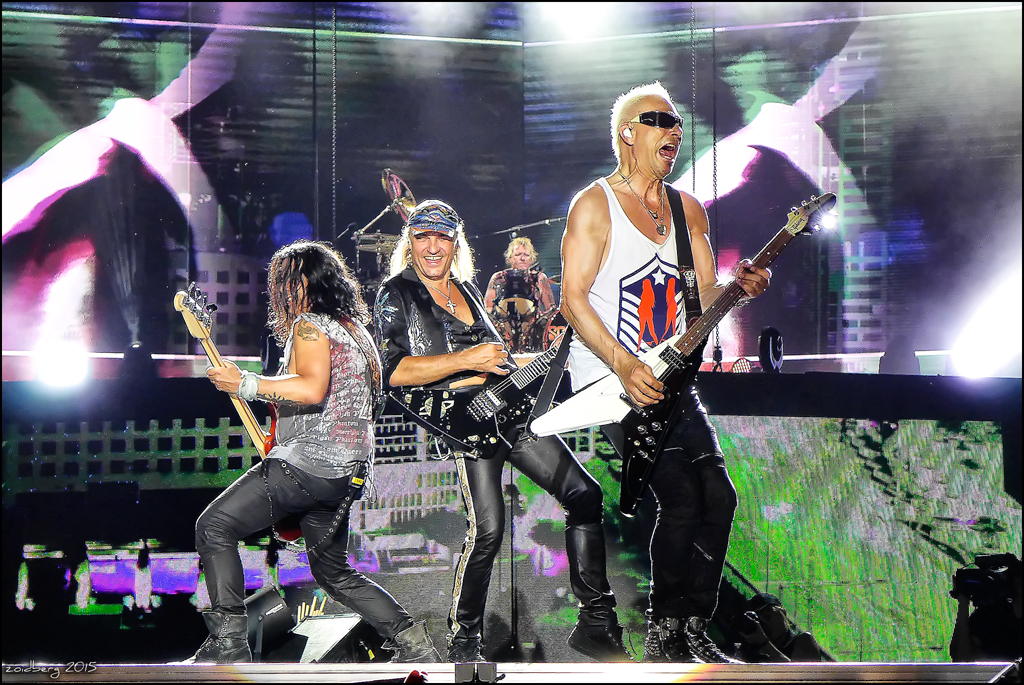
«Rock Believer» expected in 2022






 French
  German
  English