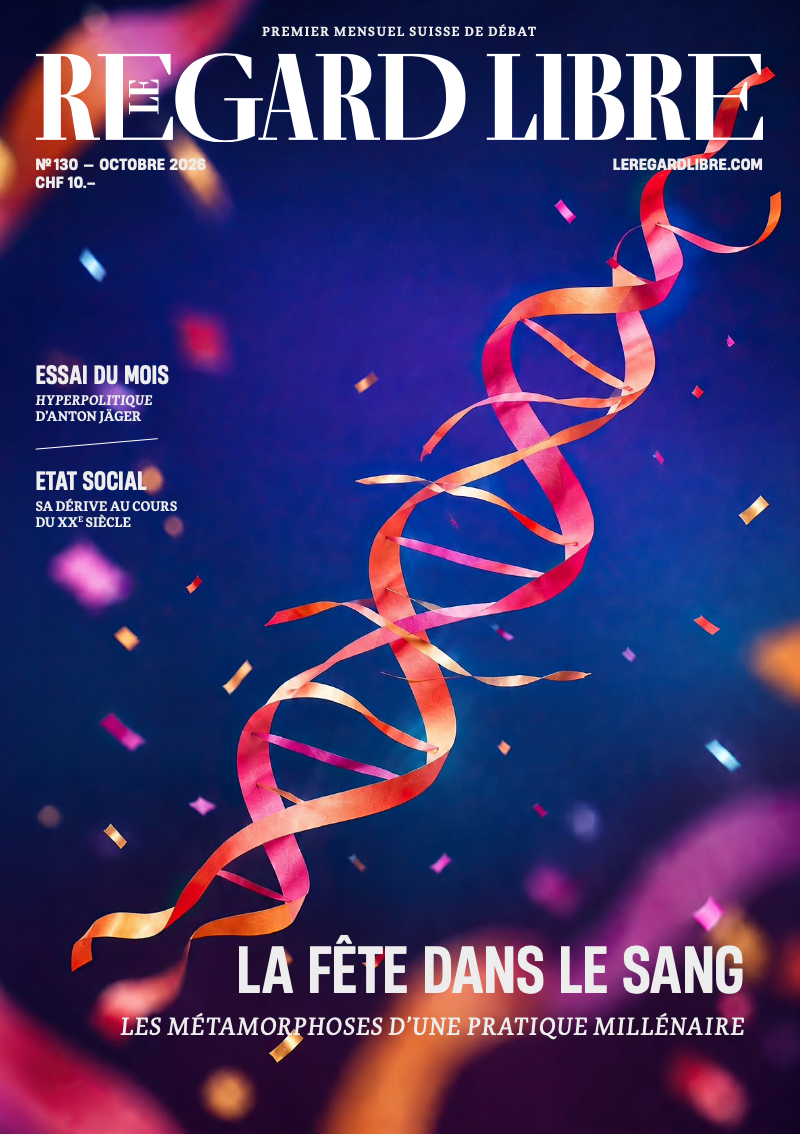




«A machine like me», between humor and artificial intelligence

Tuesday books - Loris S. Musumeci
London, 1982. Charlie is a normal guy, or almost. Thirty-two years old, and he's already tired of everything. No longer working for an employer, no longer having the plans and dreams of youth. Charlie is a man who's a little lost, cynical, funny, very british and completely offbeat. Offbeat in a society that is just as offbeat. Because life in London in 1982 in this novel is not what it was forty years ago in reality. The Beatles are still together; Alan Turing is still alive. This scientific genius was able to develop what is now, in 2020, beginning to see the light of day: artificial intelligence. Android robots - Adam for the male version, Eve for the female - are now on the market. Offbeat for offbeat, Charlie squanders his mother's inheritance to buy an Adam.
Ian McEwan writes, and it's success all over again. After releases made even more famous by their film adaptation, such as On the beach at Chesil (2008) or The best interests of the child (2015), many literary critics consider that with A machine like me (Machines Like Me and People Like You in its original title), the British author has written his greatest work to date. This uchronic, futuristic novel has been hailed as a masterpiece.
And with good reason. McEwan, with his passion for science, takes on the great subject of the moment, and undoubtedly of this century: artificial intelligence. This famous android robot named Adam is about to see the light of day, with all the wonder and concern it arouses. Today's philosophy is fully immersed in work on this famous artificial intelligence, just as much as politics, economics and medicine. Possessing robot-slaves, more powerful and «perfect» than humans will radically change the face of the 21st century.th century, perhaps even of mankind.
«We were in danger of becoming slaves to an aimless time. What's next? A general renaissance, a liberation to indulge in love, friendship, philosophy, art and science, nature worship, sport and hobbies, invention and the search for meaning? But these distinguished pastimes wouldn't be for everyone. Crime also had its attractions, as did cage fighting, video porn, gambling, alcohol and drugs, even boredom and depression. We wouldn't be masters of our choices. I was proof of that.»
But no philosophical essay with Like a machine. It's still fiction, a novel, despite the finesse and rigor of the philosophical and scientific elements presented by the author. A novel that is not only intelligent, but also humorous and, above all, stylish. McEwan knows how to keep his reader on the edge of his seat, but for the French version of the book we must pay special tribute to the excellent translator France Camus-Pichon, who once again manages to maintain perfect fluidity in an elegant, poetic and engaging language. Aside from the translation, what makes the novel so enjoyable to read lies in the details of the short, delightful sentences.
«I turned my back on her and made coffee. Miranda occupied my thoughts. Everything had changed. Nothing had changed.»
Like a machine is a novel for today that will be read just as much, if not more, tomorrow. Marking its filiation with 1984 Orwell's (1949) by references as discreet as they are essential, this work is in danger of suffering a fate more or less comparable to that of the dystopian masterpiece. McEwan is no Orwell, but a book like this will be studied in schools. He tells us about what may or may not lie ahead, even if his most beautiful pages are about what is really, and not virtually, eternal in man. As if to remind us that humanity has not said its last word.
«It may have been a romantic cliché, but it was no less painful: the more my feelings for her intensified, the more distant and inaccessible Miranda seemed.»
Photo credit: © Lucasfilm
Write to the author: [email protected]

Ian McEwan
A machine like me
Translated from the English by France Camus-Pichon
Editions Gallimard
2020
386 pages
You'll also like



 French
  German
  English
Leave a comment