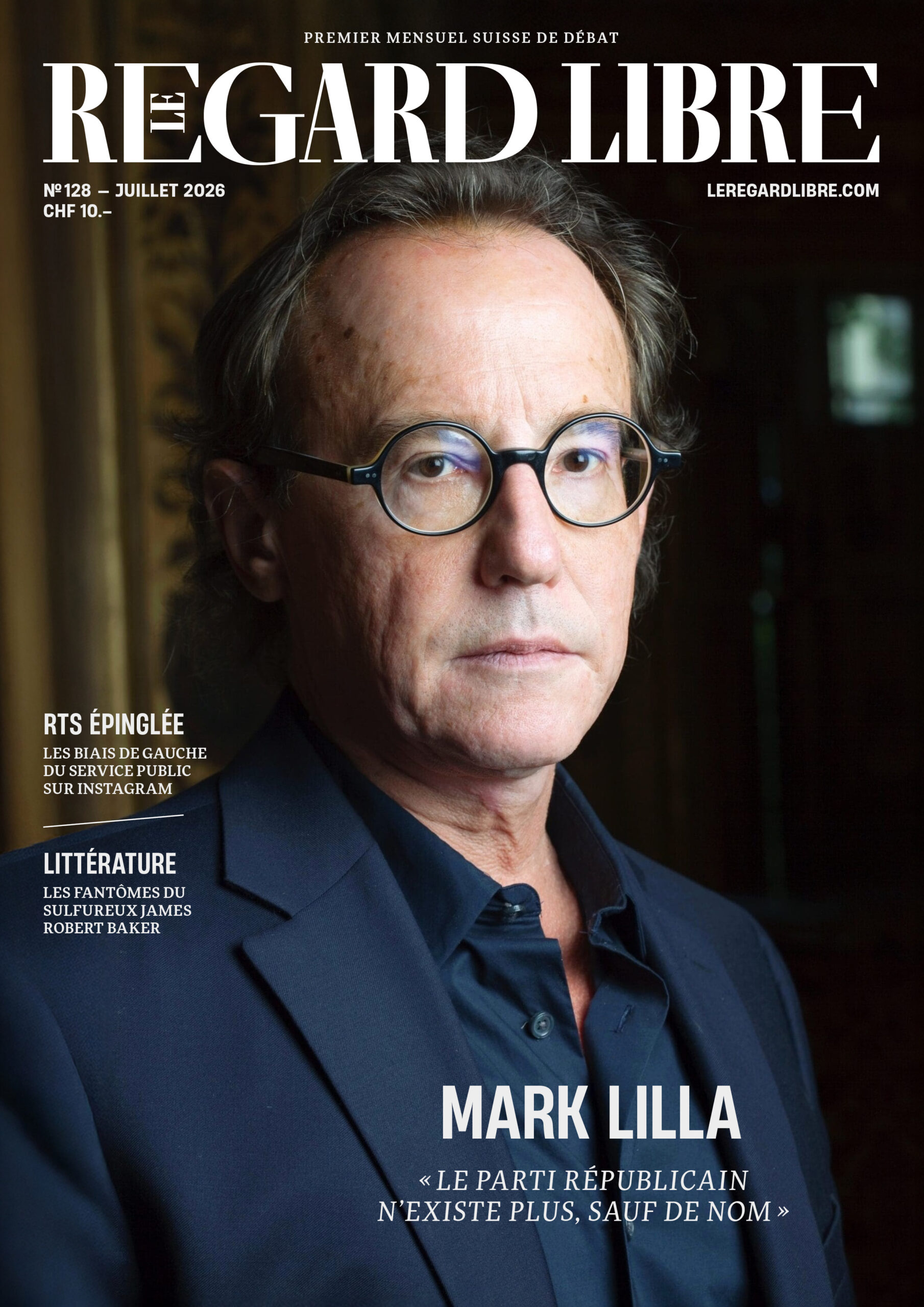




Léopold Robert, tanguing in the fugue
Tuesday books - Quentin Perissinotto
A native of Neuchâtel like the painter Léopold Robert, Bernard Vuillème's book traces the fugue and wanderings of a man who left for Venice to join a young doctoral student in the last footsteps of Léopold Robert. Will the two of them be able to unravel the passions and despair that led the artist to suddenly cut his own throat, alone in his studio, at the age of 40?
As far back as I can remember, my museum wanderings have left me with memories of the shiny parquet floor and the paintings by Léopold Robert reflected in it. From these picturesque scenes, where elegantly draped costumes cut through landscapes bathed in distant light, drips a melancholy that fills me every time. The distant horizon seems to flee the canvas, while the soft tones of the clothes catch the eye. I've never been able to say why, but Léopold Robert's paintings have always held a mysterious appeal for me. However, I never sought to know more about the painter, let alone the man; I was content to appreciate his round, mellifluous hues. Obviously, I was totally unaware that this painter, whom I found pleasant, was the darling of the 19th-century Tout-Paris.th century and the European courts, and was even quoted by Alexandre Dumas in The Count of Monte Cristo. I knew nothing about Léopold Robert. A book then came to be stored in this interstice: Death in a gondola by Jean-Bernard Vuillème.
«A life untold is no life at all».»
This novel is a tireless cross-fertilization: the narrator abruptly abandons his everyday life to marry in Venice and chase a young woman, not without love interest, who is herself pursuing the past of the painter Léopold Robert. Vuillème interweaves this journey with the life and history of the artist from La Chaux-de-Fonds, sketching his childhood in the landscapes of the Jura and the Parisian backstreets he wandered for a few years, freshly arrived in the capital to attend Jacques-Louis David's classes at the Ecole des Beaux-Arts. The young Léopold shone, winning the second Grand Prix de Rome in engraving, but unfortunately that same year, Neuchâtel fell into Prussian hands. He was consequently stripped of his French nationality and excluded from the Beaux-Arts. He studied with Antoine-Jean Gros for a while, then returned to Switzerland, abandoning engraving in favor of painting. Vuillième's pen then takes us to Italy, where destiny finally brought Léopold Robert to the doorstep of success and disappointed love.
The same desire underlies and guides the protagonists of both stories: the refusal to forget.
Escaping to Venice, twice
«Renouncing one's existence is an excellent way to finally dare to be oneself, without embarrassment or eagerness.»
By interweaving the lives of Léopold Robert and the narrator, Vuillième paints a picture of the anxiety of a man who gradually feels himself slipping away, unable to find a foothold. This nostalgic stroll through Venice takes on existential colors as the narrator asks: «What was I running away from? The memory-less, history-less character I'd been trying to become since I left for Venice, an impossible rebirth, or the vertical corpse I'd become by dint of wanting to last? What was it I wanted to protect? A certain idea of myself, despite my procrastination in the face of the test of longevity?» The author takes pleasure in blurring destinies and blurring the contours of territories. Sailing from denial to abandonment, the characters feel Venice slipping away from them: she is an elusive shadow.
«Other people's stories have the advantage of captivating without ever affecting us. No matter how terrible. They stand offshore, far from our shore, and provide us with gratuitous emotions.»
But is it possible to maintain harmony by trying too hard to weave the two stories together? While the passages on the painter's life are interesting for art lovers and those curious about history, they make the narrative slow and more than weigh it down, they cut it off. The book really comes into its own during the narrator's digressions, as he ponders his own existence and the reasons that led him to Venice. The narrative then takes on depth, thickness and folds, as well as a particular flavor: that of the uncertain future. The life of Léopold Robert is in fact nothing more than a fabulous pretext seized upon by the author to let his narrator indulge in daydreaming. The stroll through the Venetian canals is above all a stroll through the meanders of memory. Venice becomes more spectral than ever. While the narrative would have benefited from more tension and punch, the fact remains that this is a fine tribute to a great forgotten painter, coupled with an intriguing quest for identity between Neuchâtel, Paris and Venice. With a hovering silence: what's to be gained by delving into someone else's past to escape one's own?
Write to the author: quentin.perissinotto@leregardlibre.com
Photo Credit: © Quentin Perissinotto for Le Regard Libre
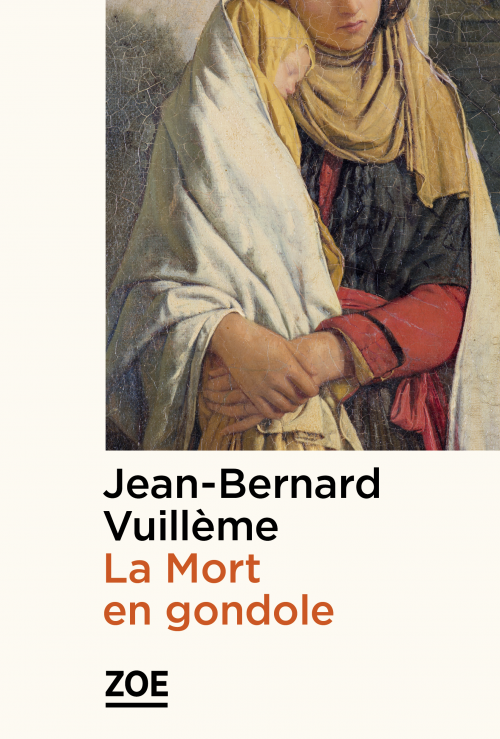
Jean-Bernard Vuillème
Death in a gondola
Editions Zoé
2021
128 pages

You'll also like


 French
  German
  English
Leave a comment