




Christoph Blocher: «La neutralité implique de ne pas prendre parti pour l’Ukraine»
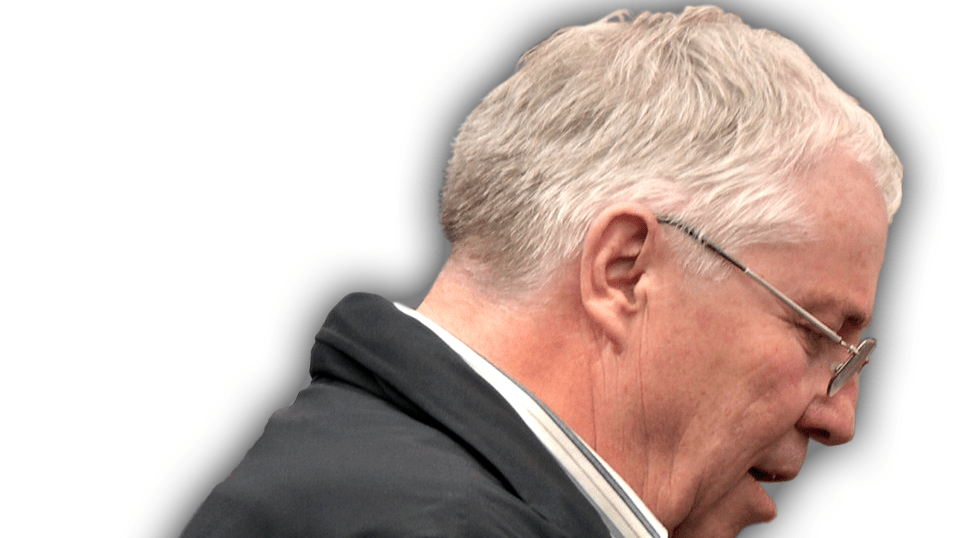
Christoph Blocher © Wikimedia CC 3.0
Exclusive interview - Jonas Follonier
Christoph Blocher estime qu’en s’alignant sur les sanctions contre la Russie, la Suisse est entrée en guerre. A l’occasion de sa venue à Lausanne cette semaine pour l’émission «Contractors» présentée par Nasrat Latif sur La Télé*, l’ancien conseiller fédéral UDC a pris quelques minutes pour détailler en exclusivité au Regard Libre his strong opinion on the matter.
Le Regard Libre: Selon vous, la Suisse n’aurait pas dû s’aligner sur les sanctions de l’Union européenne (UE) contre la Russie. Pourquoi?
Christoph Blocher: En s’alignant sur ces sanctions, sous la pression des Etats-Unis et de l’UE, la Suisse est entrée en guerre. La guerre, aujourd’hui, ce ne sont pas seulement les armes. Ce sont aussi, entre autres, les sanctions financières et économiques. La Suisse a violé son principe de neutralité, ce qui est très problématique. Nous vivons dans un petit pays, qui ne peut avoir du succès que s’il est souverain et qu’il n’a pas d’ennemis. Cela implique de ne pas prendre parti. Y compris pour l’Ukraine.
Et y compris pour la Russie… Si la Suisse ne s’était pas alignée sur les sanctions, cela n’aurait-il pas été interprété par l’Occident comme une complicité envers la Russie?
Non. Une immense majorité de Suisses trouve que ce qui se passe en Ukraine est affreux. Je partage bien sûr cette idée. Une guerre, c’est toujours affreux. Aussi, il est clair que nous avons affaire à un pays, la Russie, qui a envahi un Etat souverain. Néanmoins, il faut que nous restions hors de ce jeu de guerre. C’est tout simplement dans notre intérêt.
Read also | «An inelegant gesture»: Pascal Couchepin recounts his meeting with Putin
C’est-à-dire?
Si les Russes ne s’arrêtent pas à l’Ukraine, par exemple s’ils attaquent à la Pologne, ils seront en Europe. La prochaine étape, ce sera l’Allemagne. Et celle d’après, la Suisse. J’en tire deux conclusions. Premièrement, si la Suisse reste strictement neutre, les agresseurs n’auront pas de raison de l’attaquer. Deuxièmement, la Suisse est armée, ce qui est un facteur de dissuasion: les Russes n’auraient sans doute pas peur de perdre face à nous, mais ils redouteraient de perdre encore beaucoup d’hommes et de ressources.
Switzerland, however, bans the sale of war material to Ukraine. Now you're applauding?
Non. Un pays neutre peut vendre du matériel de guerre. Mais dans les deux camps. Comme nous l’avons fait dans l’Histoire. Vendre des armes d’un côté et pas de l’autre, ça c’est contraire à la neutralité.
So how do we stop the war? And what role do you see Switzerland playing in this?
En tout cas, on n’arrêtera pas la guerre avec les sanctions. On le voit: pour l’instant, elles se sont avérées inutiles. En plus, elles font du mal aux éternelles victimes des guerres: les pauvres. Pour répondre à votre question, il y a, d’après moi, deux façons d’en finir avec la guerre. Soit en éliminant l’un des deux camps – mais qui voudrait ça? Soit en arrivant à un traité de paix. La Suisse, si elle n’avait pas rompu avec sa tradition, aurait pu continuer à offrir ses bons offices. Pourquoi Biden et Poutine sont-ils venus à Genève? Parce que la Suisse est un pays neutre. Tout cela est désormais fini.
Des socio-démocrates, comme le chancelier allemand Olaf Scholz qui a été très anti-militariste pendant des décennies, décident maintenant d’augmenter drastiquement le budget militaire de leur pays. Là, c’est une victoire pour vos idées, non?
C’est plutôt un revirement ridicule. Mais je m’y attendais. Ces personnes ne regardent pas à long terme. Pendant longtemps, elles n’ont pas vu l’importance de l’armée et maintenant qu’il y a la guerre en Ukraine, ils ouvrent les yeux. Elles pourraient à nouveau changer d’avis à la première occasion. A l’arrivée de la Première Guerre mondiale, les socialistes suisses s’étaient aussi dit que l’armée était en fait nécessaire. Mais une fois que la guerre est là, c’est trop tard.
Nous sommes au lendemain d’une élection importante en Europe: Emmanuel Macron a été réélu président de la République française. Vous étiez pour lui, le libéral, ou pour Marine Le Pen, la souverainiste?
D’abord, je suis Suisse, je ne suis pas Français. Mais vouloir, comme Madame Le Pen, s’éloigner de l’Europe, ce n’est pas la même chose que de le vouloir en tant que Suisse. Après tout, l’UE s’est bâtie sur la France et l’Allemagne. J’ai coutume de dire que la région économique de l’UE, c’est l’Allemagne, et la région politique, la France. Elle a le leadership.
* Broadcast Thursday, April 28 at 7:15 p.m. on La Télé

You'll also like
 French
  German
  English
Leave a comment