




So what about election tourism?
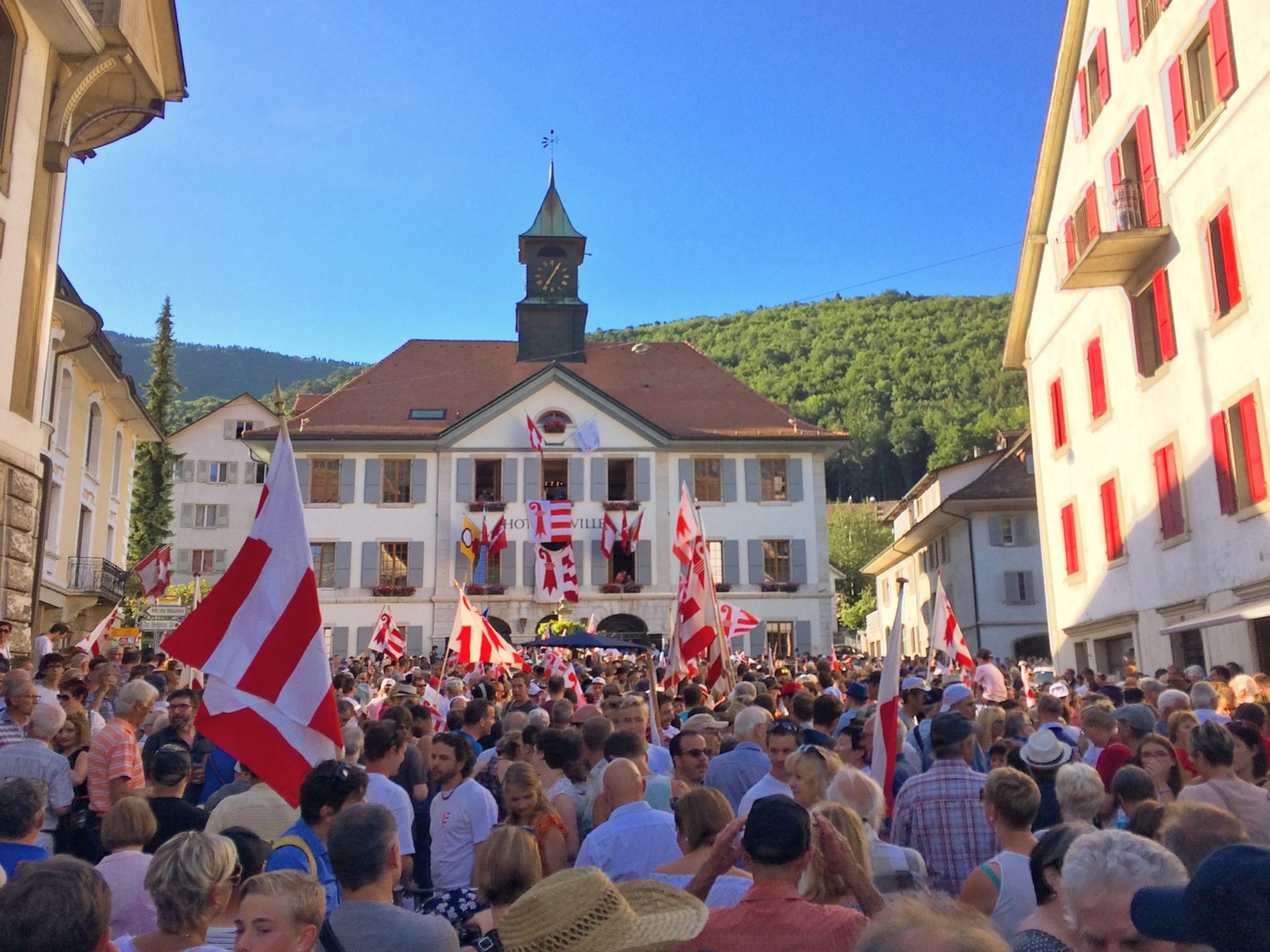
Wikimedia Commons / Jeremy.toma
Unveiled by Tages Anzeiger, the controversy n’est pas près de se dégonfler. Un tourisme électoral aurait faussé la votation de Moutier sur son appartenance cantonale! Après «l’affaire Broulis» et la pseudo-controverse Isabelle Moret, voilà un sujet bien racoleur.
June 18, 2017. The citizens of Moutier, a commune previously belonging to the canton of Bern, decide, by a narrow majority (51.7%), to join the canton of Jura. An ambitious adventure, strongly imbued with identity. Yet another episode in the «Jura question». Plagued by tensions and suspicions of fraud, this vote has never ceased to dominate the headlines.
Loin de se tarir une fois le résultat sorti des urnes, le flot de rumeurs repart de plus belle depuis quelques heures. La raison? L’apparition d’un rapport anonyme qui fait état d’un tourisme électoral en période de votation dans la commune de Moutier. Alors finalement, peu représentative, cette majorité de seulement 137 voix d’avance?
Suspicion of election tourism
On reproche à des votants d’être venus s’inscrire, sans réelle volonté de s’y établir, dans le fief désormais promis au Jura. Après le tourisme d’achat, le tourisme social et même le tourisme sexuel, voici venu le temps du tourisme électoral. Les prochaines semaines devraient permettre de tirer au clair la véracité de ces mouvements et les éventuelles conséquences sur le résultat de cette votation à fort caractère historique.
In particular, it will be necessary to take a serious look at the anonymous report which, in the words of Bernese State Councillor Christoph Neuhaus, «raises a number of questions». That's the legal aspect. But what about the moral side? Does an individual who wishes to have an impact on the community's future have the right to express his opinion, albeit in an unusual way, or should we reproach him for doing so?
Nous nous trouvons face à un vote de fond, d’identité, d’avenir. Celui qui se voit revenir ou rejoindre Moutier, pour des raisons historiques, familiales, identitaires ou autres, seulement en cas de vote favorable à un basculement jurassien, ou dans l’autre sens, n’aurait-il pas le droit de faire valoir sa cause? Aussi subjective que soit la justification, elle a le mérite d’être réelle.
A civic impulse
On reproche aujourd’hui à certains leur excès de civisme. On brocarde une volonté de s’exprimer, d’influencer un destin qui, semble-t-il, leur est cher. Au contraire, dans une démocratie qui s’essouffle, avec un taux de participation en chute continue, réjouissons-nous de ces vrais moments démocratiques, qui voient des visions, des identités se faire face.
Soyons fiers de donner cette responsabilité au peuple. Défendre une cause sans volonté de s’établir directement sur place dans les jours suivant le verdict ne fait pas du bulletin un vote de seconde zone. Mais simplement un vote comme les autres, celui qui exprime la volonté profonde du sympathisant d’une cause. Et elle est légitime.
Write to the author: [email protected]

You'll also like





 French
  German
  English
Leave a comment