Faced with the injunctions of healthy living, the bon vivant emerges as a counter-model. An opportunity to re-explore this figure, which is far richer than a simple posture of resistance.
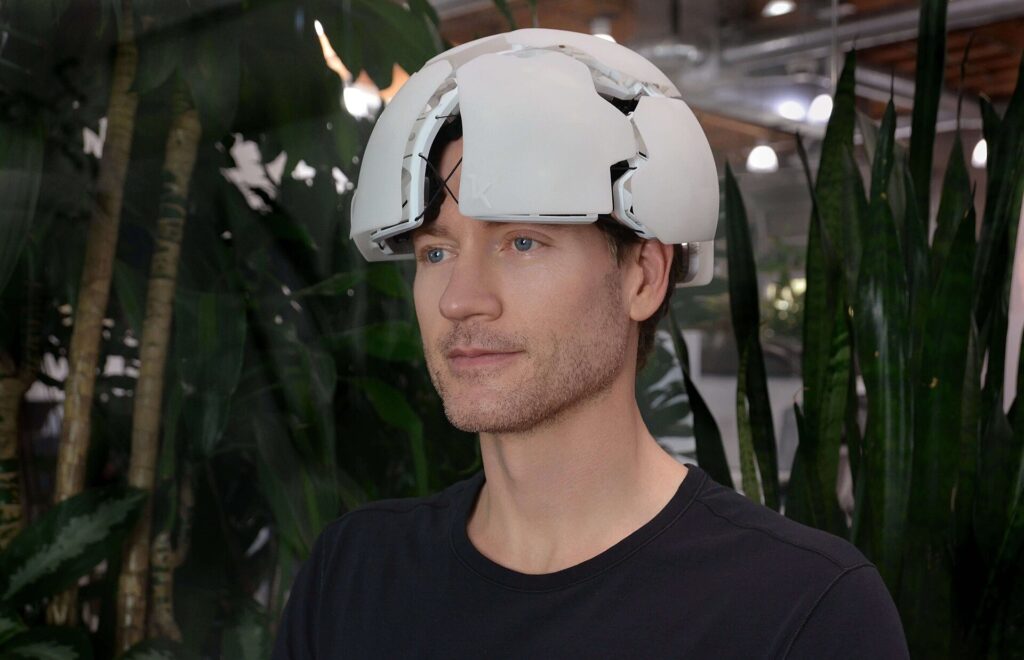
Bryan Johnson embodies an age governed by technology, where only that which can be quantified counts. A certain conception of health, compatible with this ethic of numbers, has become the central value. Even to the exclusion of other components of well-being.
There's an illusion lurking behind the injunctions to preserve our health: that it's an end in itself. This article defends the idea that health is a decisive tool, yes, but subordinate to what really gives meaning to our lives.
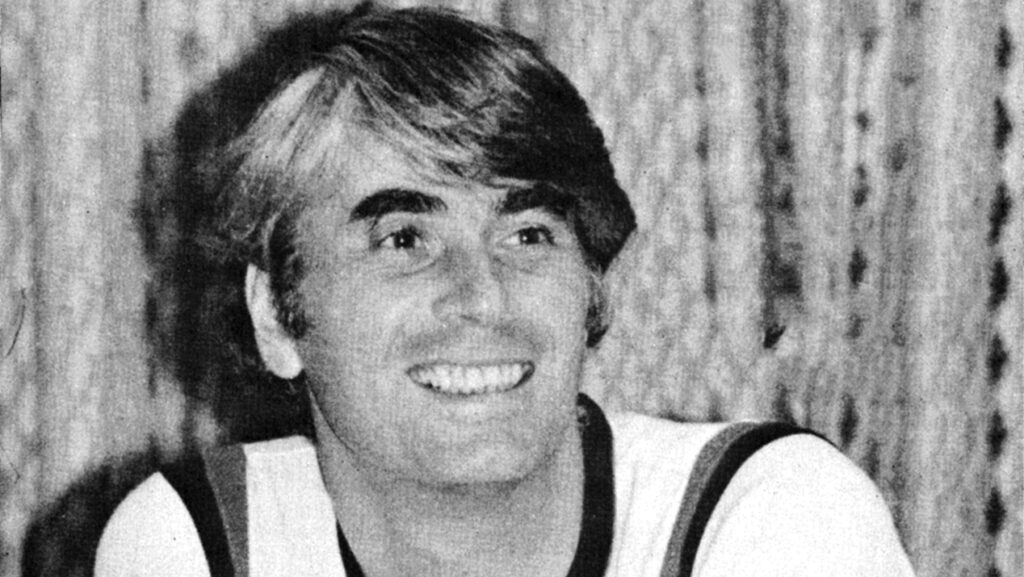
Robert Nozick proposes an original reading of the liberal program: not a minimization of the state, but a political framework that allows everyone to experiment with their own conception of the good life.
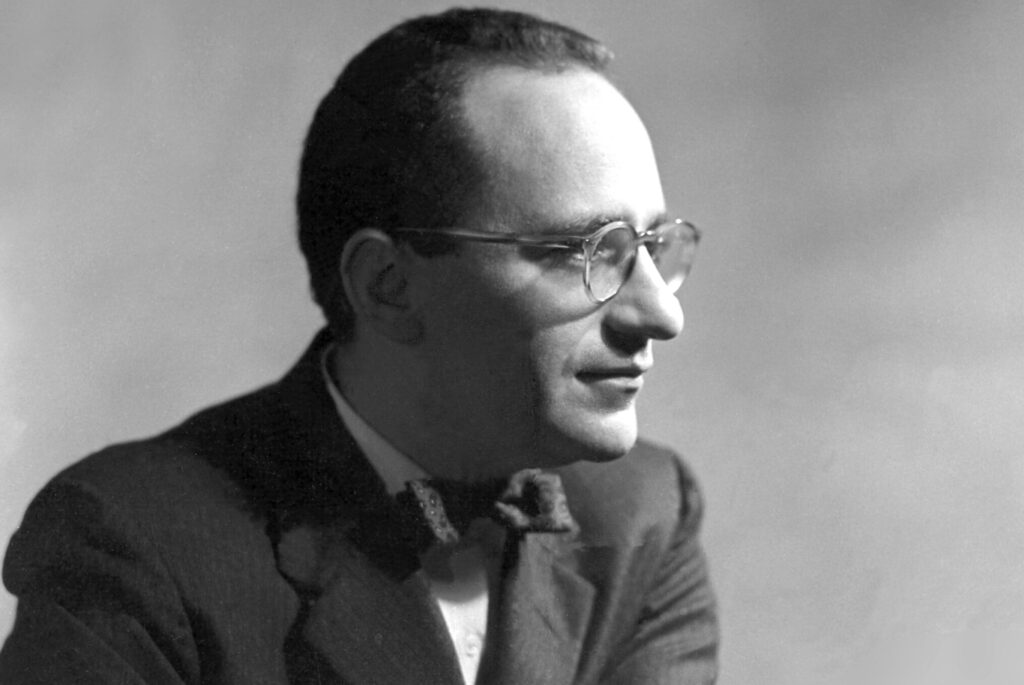
The American libertarian movement, led by Murray Rothbard, has moved away from dogmatic anti-statism to ally itself with the populist right. A trajectory that poses a central question for liberals: how far to ally oneself without denying oneself?
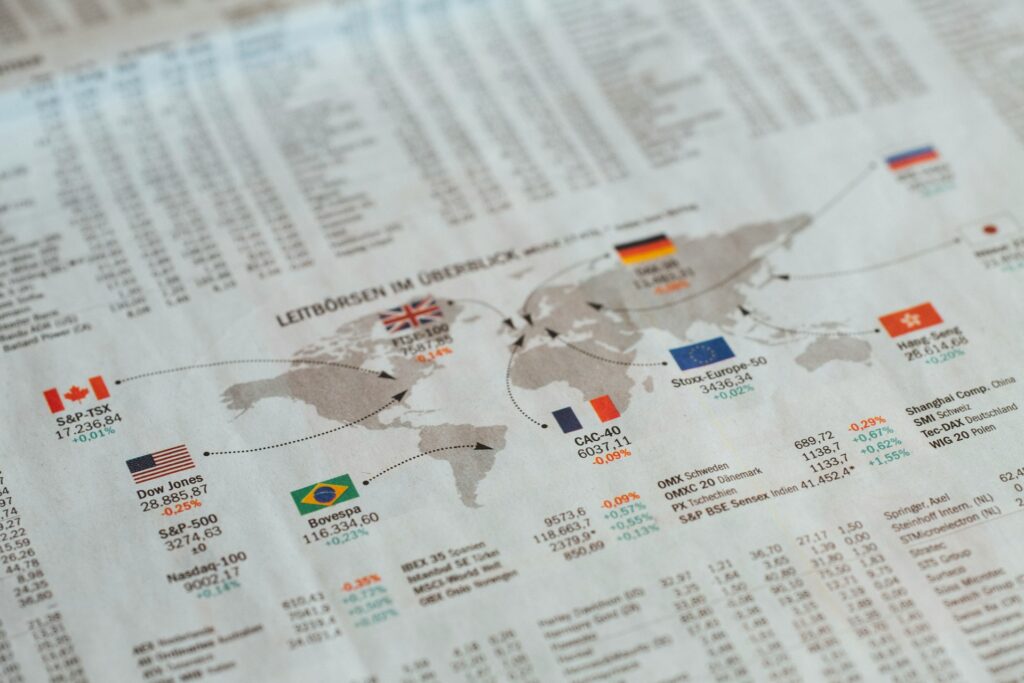
The intensification of trade after 1989 nurtured the idea of a world governed by cooperation. Today, geopolitical rivalries are overturning this belief and reshaping economic relations.
Before being part of the «Axis of Evil», to use the rhetoric of the Bush years, or the target of Operation Epic Fury, Iran is first and foremost a country with a culture dating back thousands of years, expressed in its deeply moving cinema.
Faced with the return of protectionism, it's important to remember that there can be no prosperity without trade, competition and work. For liberals, the challenge is not to withdraw, but to forge new alliances with the world of tomorrow.
Liberalism had the opportunity to govern alone between 1830 and 1835. Its distrust of the state prevented it from continuing the experiment. Since then, to maintain its influence, it has had to form alliances. But with whom?







 French
  German
  English