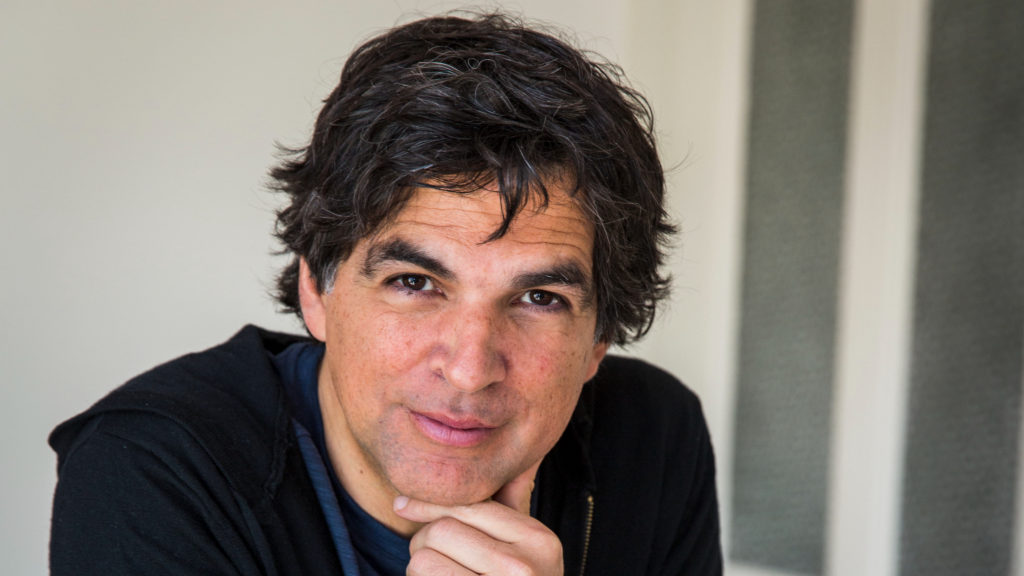
I covered the previous French election with him, when he was just starting out on his editorial career at Regard Libre and his hope had a name: Macron. Since then, water has flowed under the bridge. Here's an assessment of a campaign he described as «painful».
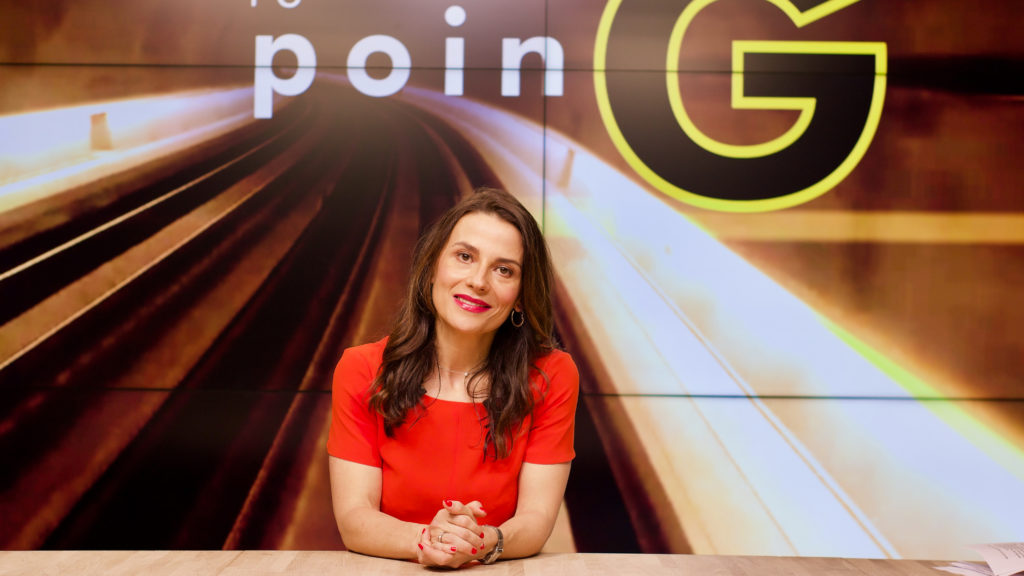
Original Article – Jonas Follonier Laetitia Guinand continues to host her debate show «Le PoinG,» which launched in..., with undiminished passion...
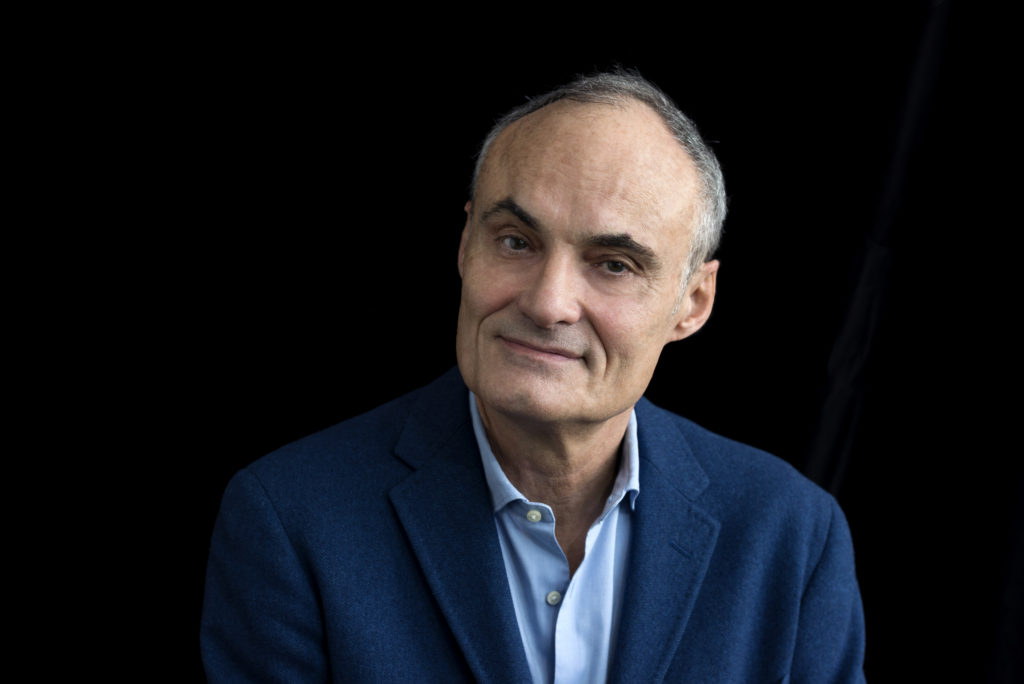
Philippe Val knows the tragedies to which the rejection of humor can lead. Publishing a dictionary based on his vision of the world, the former director of «Charlie Hebdo» and France Inter talks to «Regard Libre» about his conception of irony and its status in today's world.
Cartoonist Chappatte is a fervent defender of freedom of expression. Here, he explains the current importance of this struggle, as well as his vision of irony, which is being abused by «a very touchy-feely zeitgeist». Even in Switzerland.
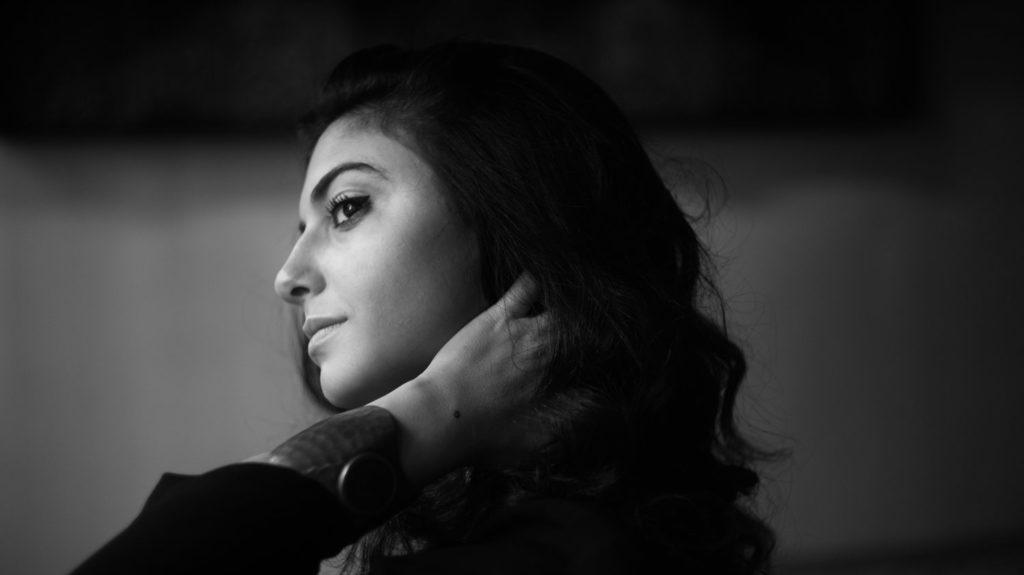
Les mercredis du cinéma - Alice Bruxelle Mounia Akl is a Lebanese director. In the context of a country where no...
Eugénie Bastié, a journalist in the «Ideas» section of the French daily Le Figaro, offers her diagnosis of the «war of ideas» in France and the theme of immigration, which is present in its own way in the French intellectual debate and reveals new cleavages.
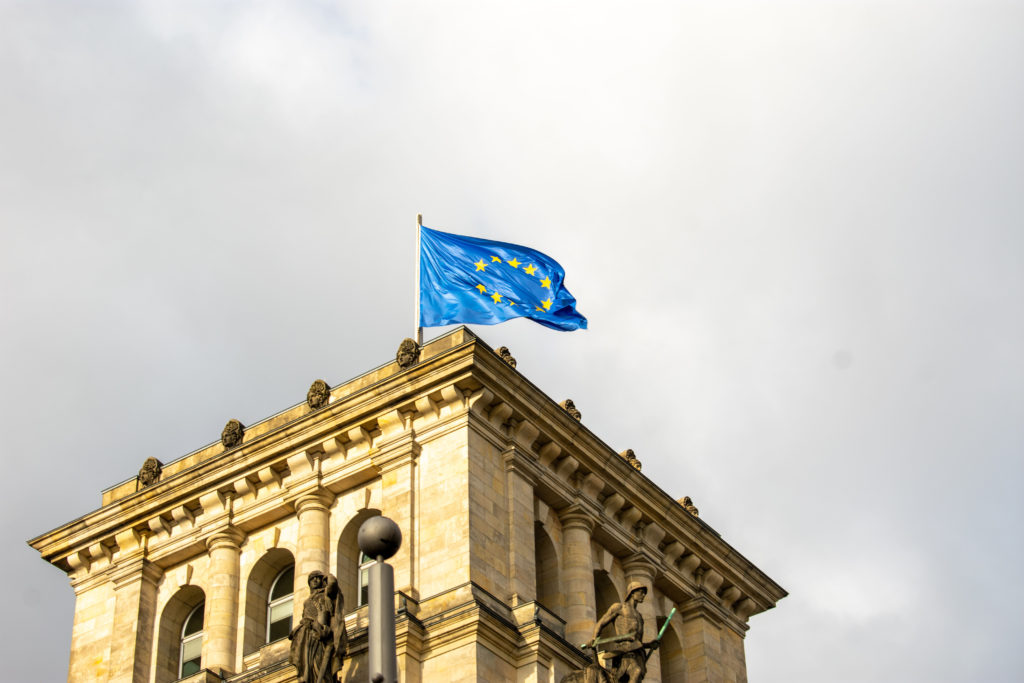
Le Regard Libre No. 82 – Diana-Alice Ramsauer «Immigration» Feature Article It is with outrage and despair that Lausanne resident Claude Calame observes...
Danièle Manesse, professor emeritus of language sciences at the University of Paris-3 Sorbonne nouvelle, fights inclusive writing with all her might. She responds here, argument by argument, to the proponents of this militant typography. And as a convinced feminist, she gives us her thoughts on what has become of much of her camp and the academic world.
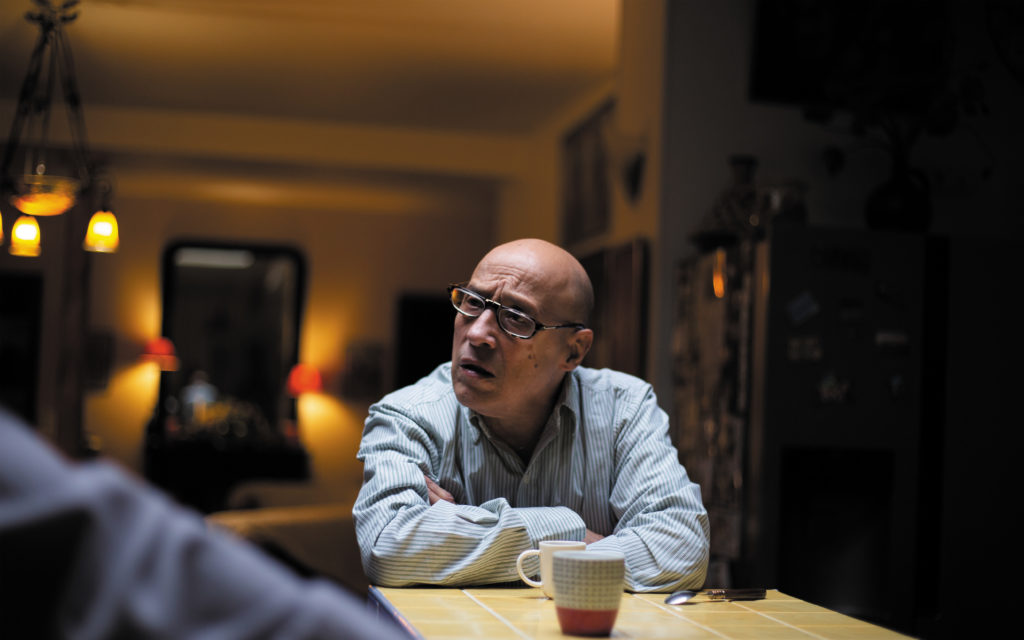
LONG-FORM INTERVIEW, Daniel Wittmer | As the manager of many legendary musicians over the past fifty years, Raymond Gonzalez talks about his career and shares never-before-told stories from his extraordinary journey. Let’s be clear: he has nothing to promote or sell here—no album, no single, no concert, no kamagong wood ashtray brought back from a Tibetan market in the summer of 1994. In addition to his immense generosity and exemplary courage, he is an extraordinary producer. He managed Nina Simone for twenty years. Just writing that is worth its weight in peanuts, ladies and gentlemen. In the world of Music (don’t argue—in this case, the capital «M» is absolutely warranted), he is one of those rare figures working behind the scenes who have sometimes helped bring legendary celebrities into the world, make them known, ensure their existence, and help them “live or survive” in the worlds of jazz, blues, rhythm and blues, and rock ’n’ roll. Born on November 13, 1946, in New York, where he grew up and later studied law, he arrived in Europe in the early 1970s—first in Spain for a few months, then in Paris. It was from there that his destiny took a sensational turn.







 French
  German
  English