



Label: Literary criticism
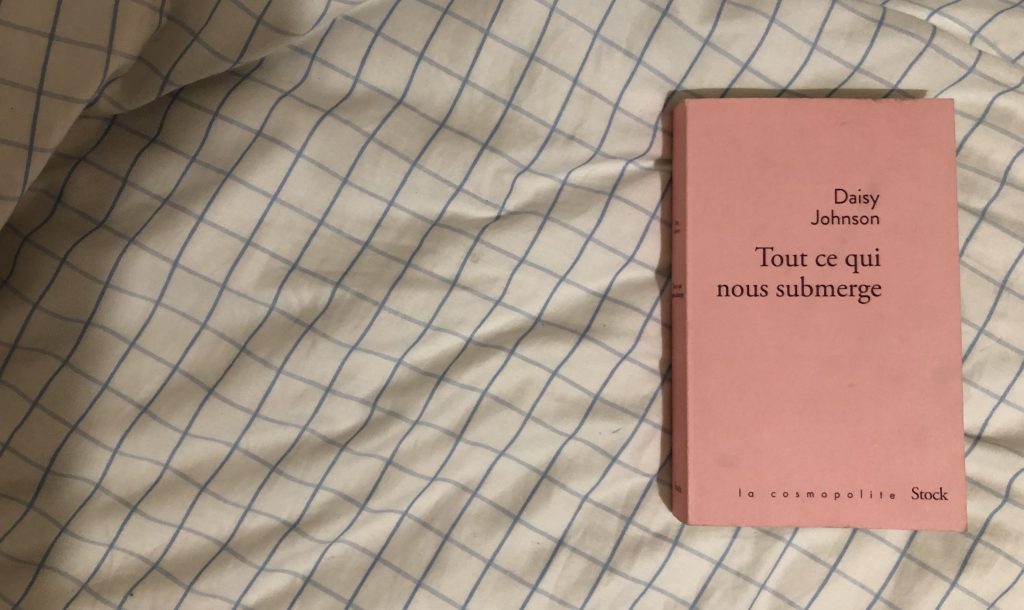
Letting go and allowing ourselves to be guided by «everything that overwhelms us».»
Les bouquins du mardi - Lauriane Pipoz Gretel, in her thirties, has just been reunited with her mother Sarah. Sarah had abandoned her...
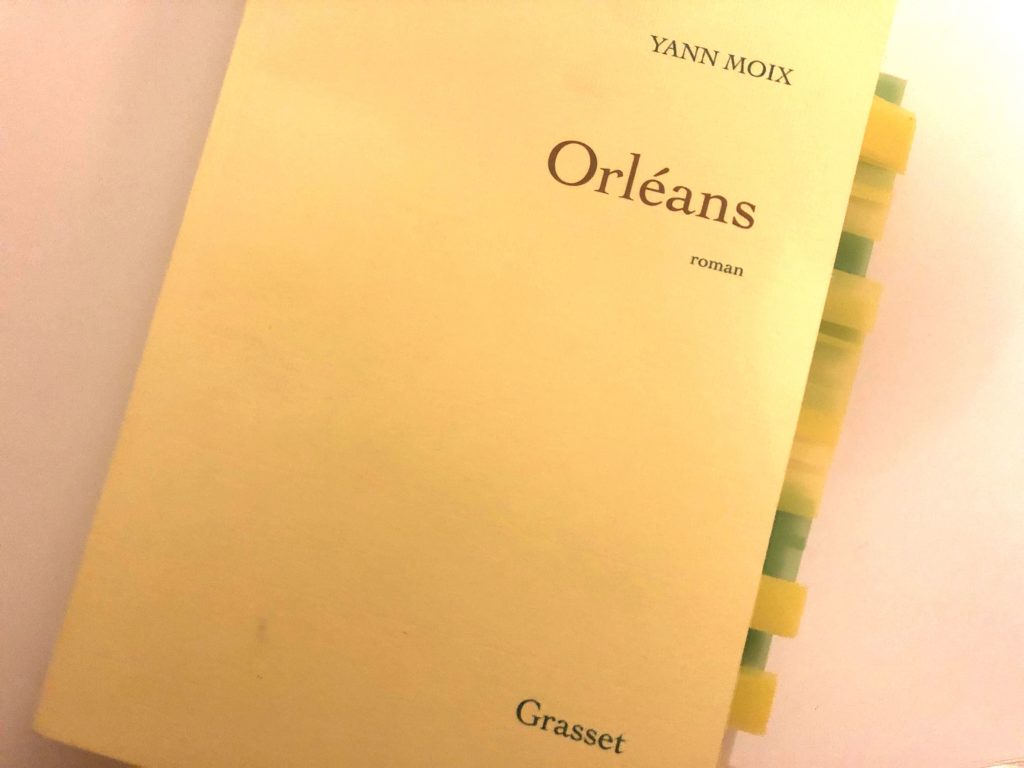
Pain is an artist's breeding ground in Yann Moix's ’Orléans«.
Les bouquins du mardi - Loris S. Musumeci «From now on, I'd have to live clandestinely with my parents, an orphan albeit in their company....
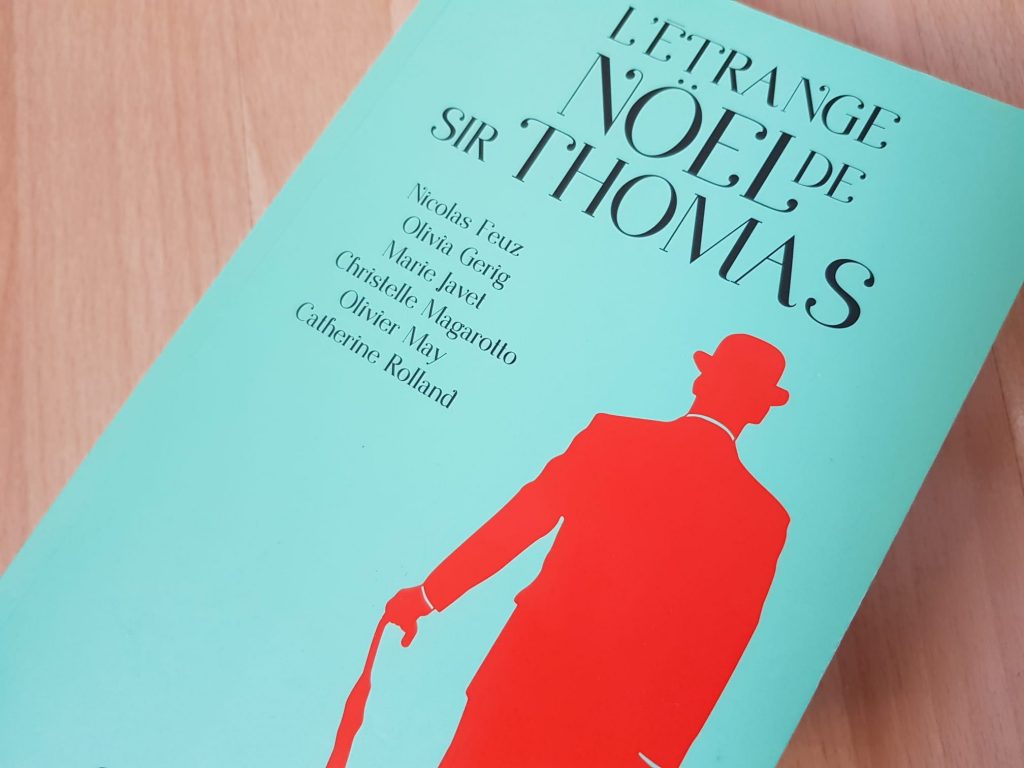
«L’etrange Noel de Sir Thomas», coup de comm’ ou coup de génie?
In the preface, we learn how this project came about, what guidelines and constraints were imposed on the various writers who took part: the same description of an imaginary character was given to six different personalities.
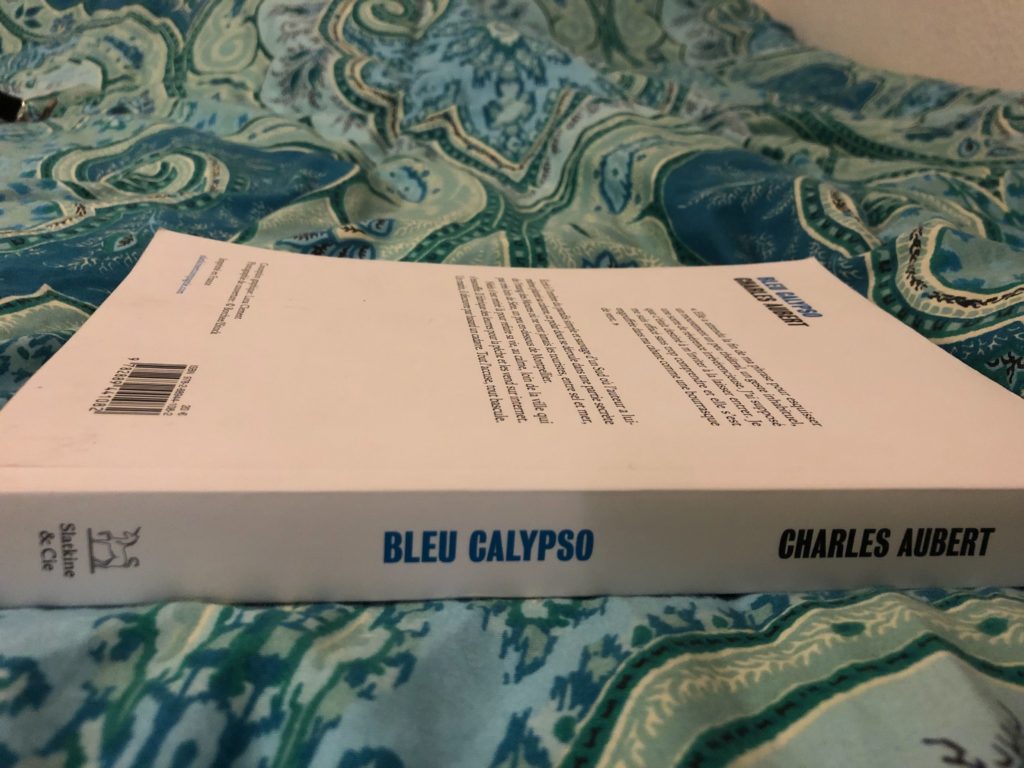
A Journey into the Murky World of «Calypso Blue»
Bleu Calypso, a whodunit written and set in a cabin south of Montpellier, is a singular blend of delightful descriptions and twists and turns. Blending wild life and dynamic investigation, it follows Niels, a fisherman, as he plunges deep into the investigation of a series of murders. A little in spite of himself, and a little in spite of his character's lack of subtlety.

Jacques Pilet takes us back to Switzerland a century ago
Last month, Swiss journalist Jacques Pilet published his second novel, *Hôtel Belvédère*, with Editions de l'Aire. Reading it, we are transported back to Switzerland in 1914. Amid a Europe in turmoil, Jules, the young son of a farmer from Vevey, falls in love with a Russian student and decides to leave for Africa. A gripping tale that explores tragic history through a heartwarming story.
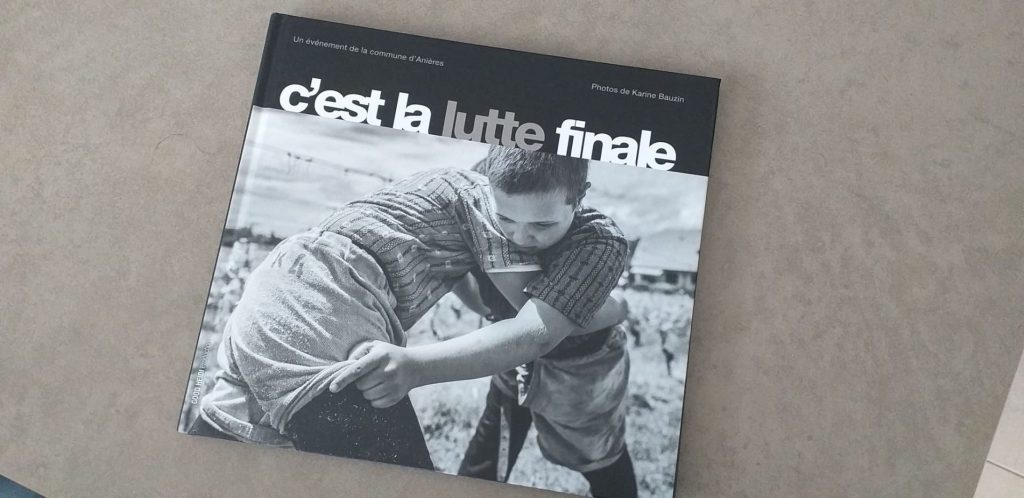
«C'est la lutte finale», between text and images
Literature and photography have often joined forces to create hybrid works. From Belgian writer Georges Rodenbach's famous Bruges-la-Morte to Roland Barthes' La Chambre claire, photographs have often accompanied texts to illustrate them or provide alternative readings. Today, Le Regard Libre invites you to dive into C'est la lutte finale, a photo book about the nineteenth Fête cantonale genevoise de lutte, to familiarize yourself with the sport through words and images.
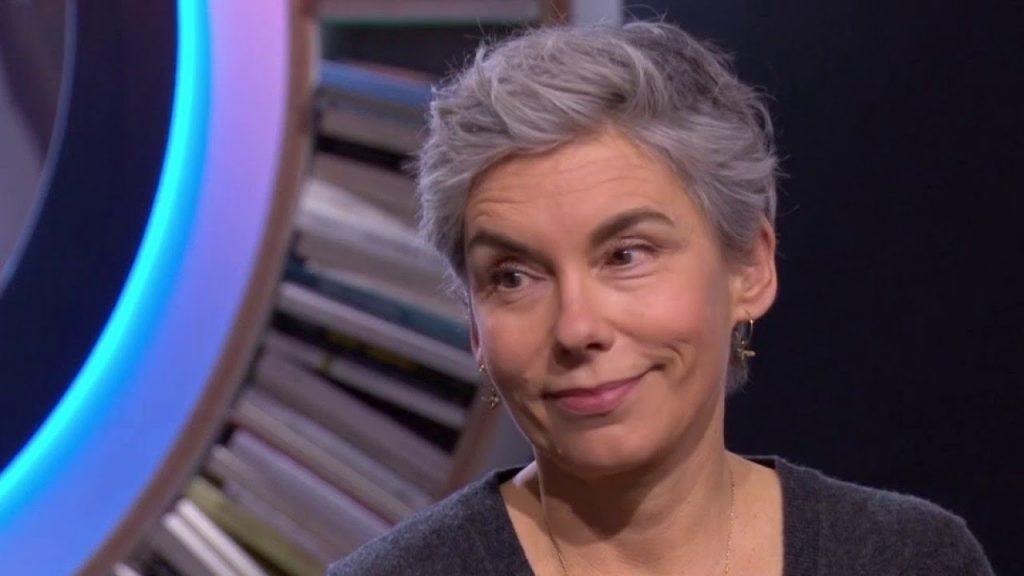
A beautiful night dawns for Elisabeth Quin
French TV presenter Elisabeth Quin, who is also a writer, has dedicated her latest book, published in early 2019, to a hell she herself is going through: that of losing her sight. Extremely sensitive, this gem of a book has above all one great virtue: that of the direct truth of sensations.
Don't conjure these ghosts, for they mean you well.
Without fear or reproach, Jean-Michel Olivier paints thirteen subjective portraits of personalities who are now ghosts. Marc Jurt, René Feurer, Simone...
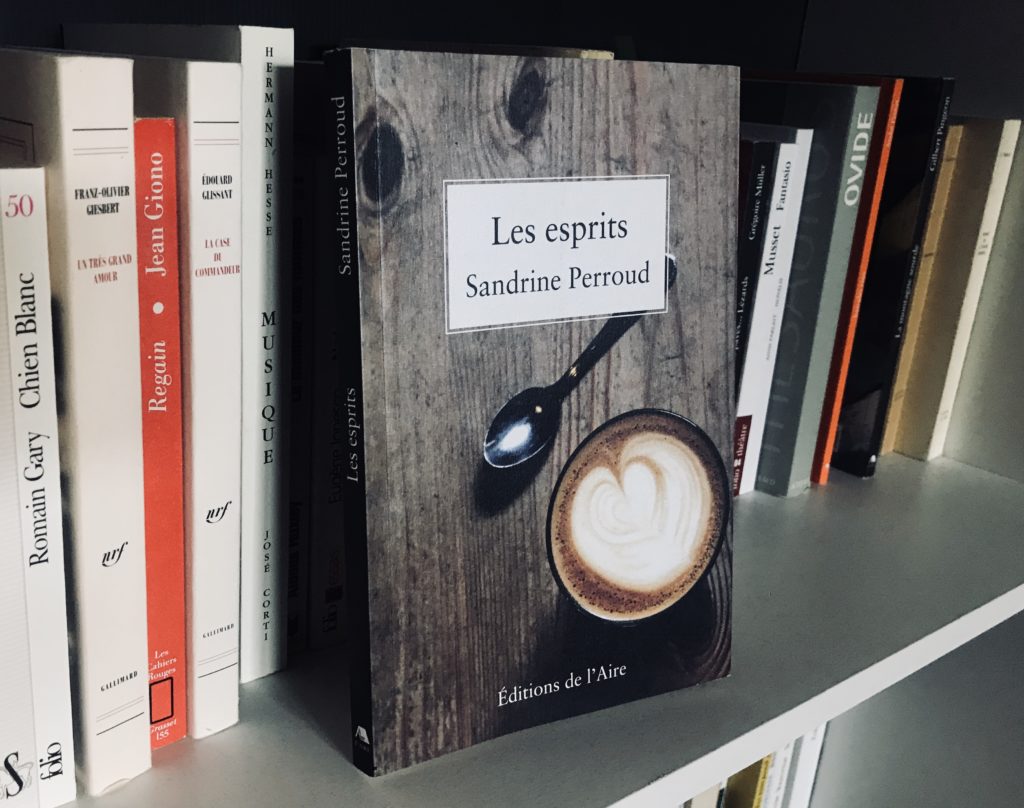
Sandrine Perroud releases her first novel
Twenty-one-year-old Mélanie and her parents have decided to commit assisted suicide together, following Mr.'s cancer and Mrs.'s inability to continue living without him. With Radio Nostalgie playing in the Lausanne tee-room where she works as a waitress, Mélanie tries to mourn. She's trying - which is no mean feat. Everything now refers to her as dead or undead. The city is populated by spirits, the same ones that the young girl she used to be used to ward off in her nights. She begins a relationship with a young man, David, who in a way serves as her mirror and healer.
 French
  German
  English