While the Swiss people have settled – twice – the question of the amount of the audiovisual licence fee, at least for a while, the discussion on the offer provided by this compulsory levy must continue. The same applies to France.
In 2013, crisis-stricken Greece abruptly shut down its public broadcasting system. Nicolas Brodard recounts the battle over ERT: social struggles, control of the narrative and the illusions of a public service reinvented under Greek austerity, in the heart of chaos.
Placed at the heart of a heated national debate on the licence fee, accused of ideological bias and condemned to make savings, Switzerland's public broadcasting system is going through a turbulent period. Pascal Crittin, head of the French-speaking part of the company, responds to the critics.
The news channel is overtaking BBC News Channel in terms of average audience in the UK, and is acting as a megaphone for red-wall England in a climate of growing distrust of public broadcasting.
As Bern prepares to regulate social networks, misinformation and hate speech return to the heart of the public information service issue. Some want a stricter framework, but digital hell is paved with good intentions.
By temporarily suspending films starring Depardieu, the public broadcaster is making at least five mistakes in one. Not only do we have to distinguish between the man and the work, but this choice opens a Pandora's box, and RTS is shooting itself in the foot.
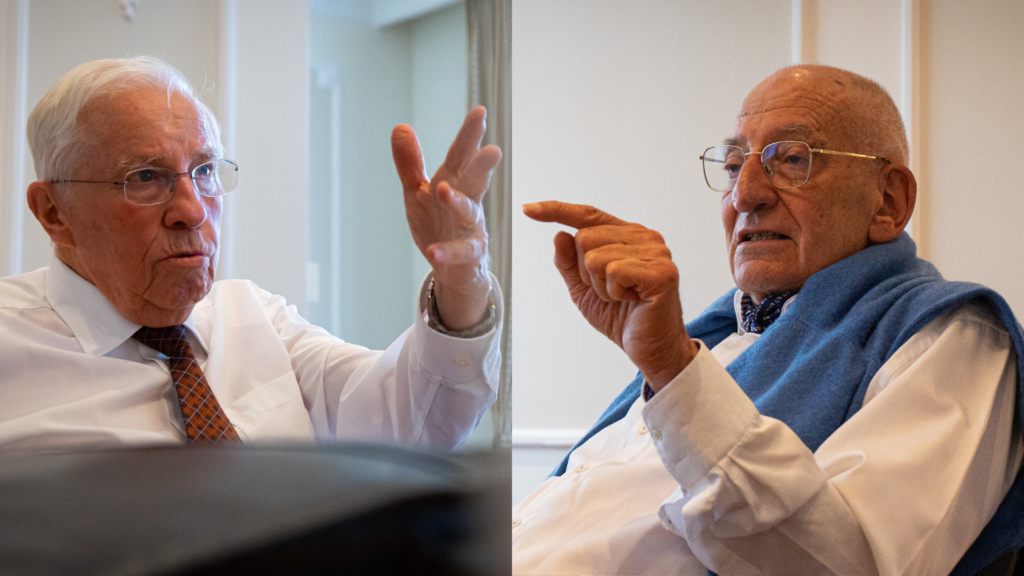
Immigration, Europe, the economy, the media... Former federal councillors Christoph Blocher and Pascal Couchepin met in Bern at the invitation of Regard Libre to share their views on Switzerland's current situation and the challenges it faces.
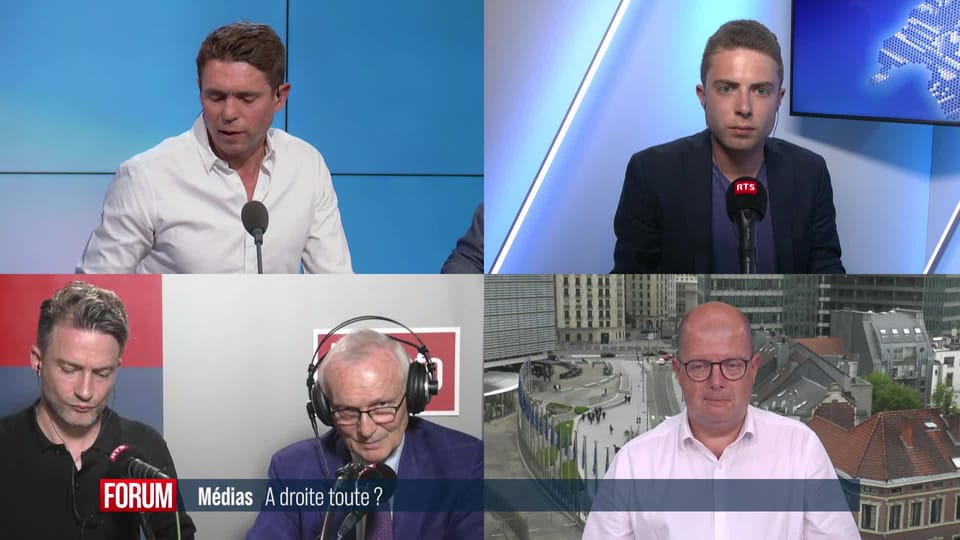
The uproar caused in the highest circles by the appointment of the former boss of «Valeurs actuelles» as director of the «Journal du dimanche» is selective and misplaced indignation. Here's a brief development of the point of view I expressed on RTS on July 4.
In the name of the fight against the far right, it seems that anything goes for some journalists. Including failing to challenge the narrative...












 French
  German
  English