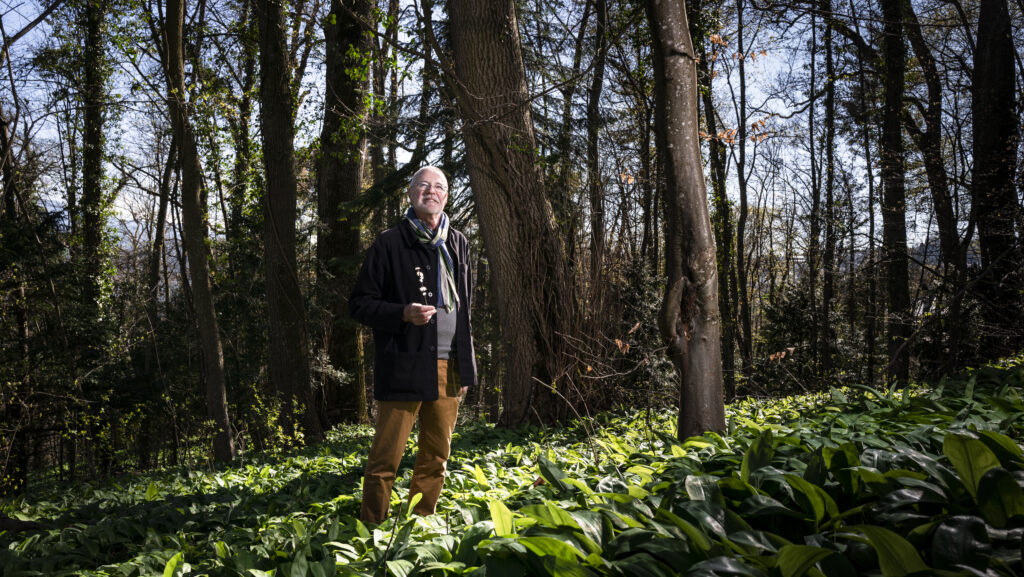
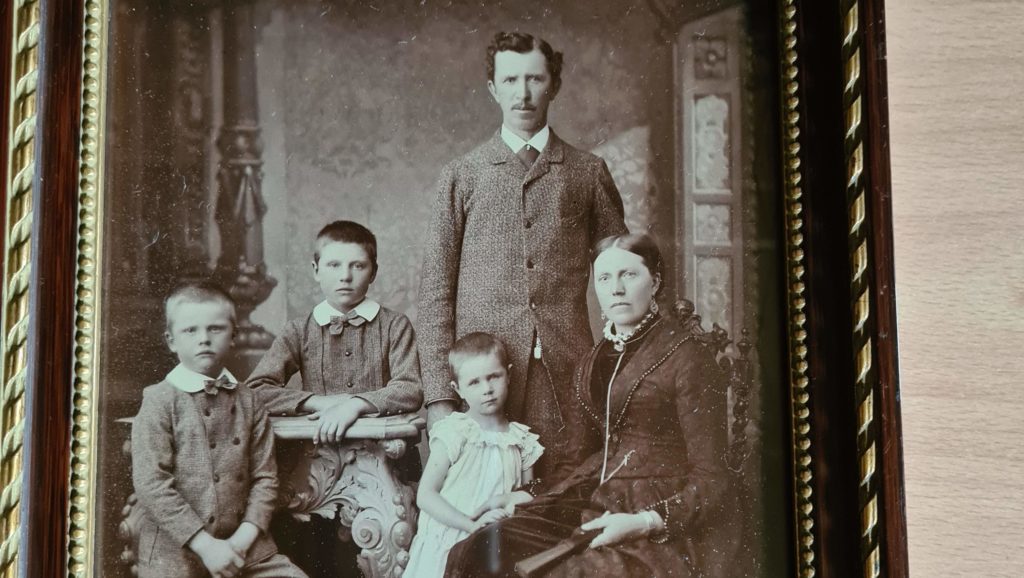
Dans «La transformation de la Suisse (1847-1920). Regards de Georges Dommen», Bridget Dommen nous plonge dans une période charnière de l’histoire suisse, à travers le parcours d’un homme à la croisée des changements sociaux, économiques et technologiques.
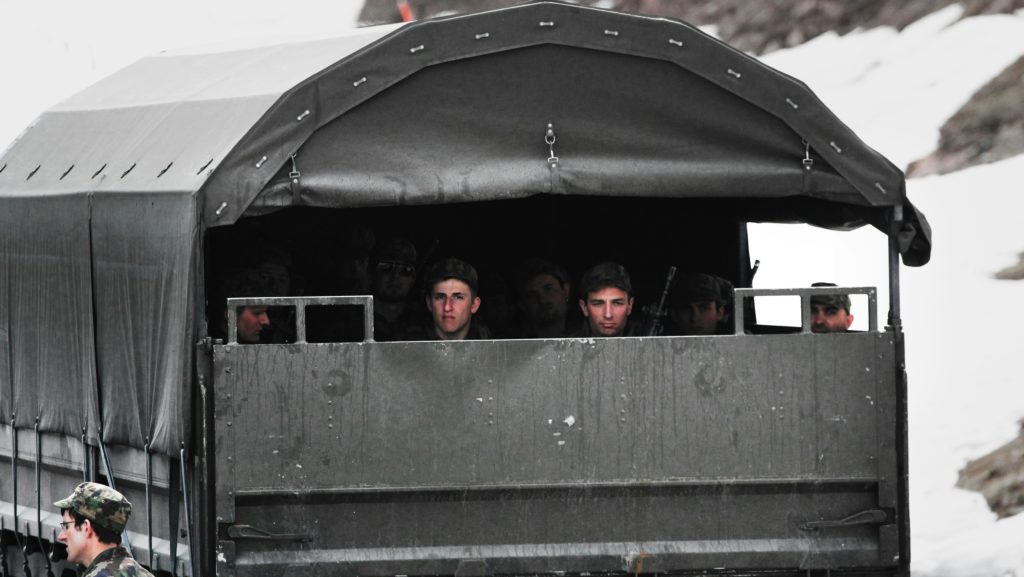
If there's one country where the army is a constant topic of debate, it's Switzerland. A look back at the history of an institution that is still very much alive, built on a militia system that has no equivalent anywhere in the world.
The dictatorship of feelings, the virtues of intoxication, lessons from Swiss history... From March 6 to 10, our editor-in-chief Jonas Follonier invites you to Geneva's Centre Palexpo for five meetings dedicated to intellectual conversation.
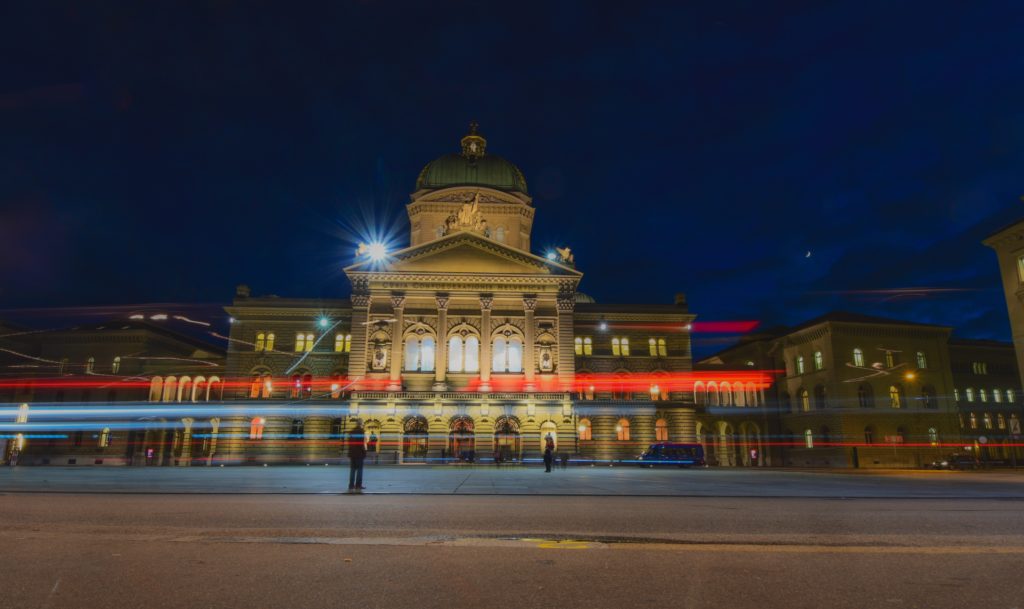
The history of Swiss political parties is rich and complex. However, it reveals a certain continuity through which they learn to renew themselves as direct democracy, and the evolution of society it often reflects, impose new themes on their agendas.
Neutrality has never been subject to a corseted definition. Its entire history demonstrates this. It depends on the goodwill of the other powers, and only makes sense if it is understood in the context of the moment.
Professor of History at the University of Geneva, Irène Hermann specializes in Swiss neutrality. Although neutrality is under particular scrutiny today, it has never been unambiguous for the historian, who demystifies it in the light of the past. Interview.
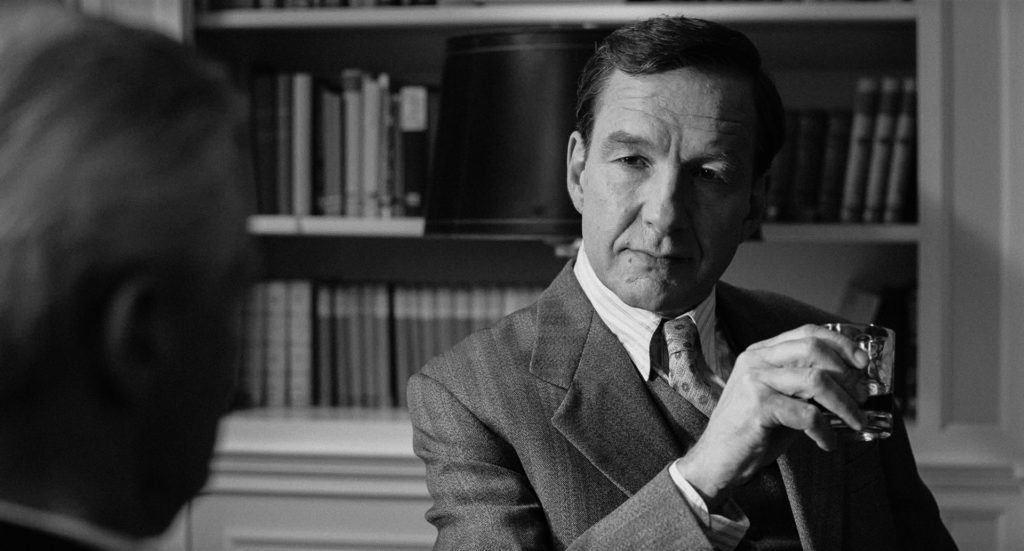
Cinema is doubly an art of light. It sculpts images, movement and rhythm. And it creates characters to embody, underline and concretize ideas and characters. With «A Forgotten Man», the fourth film by Swiss director Laurent Nègre, this light becomes history, in a limpid and sublime form.
Fake news stuns political players and observers alike. But isn't it true that lies, whose definition is often relative, are part of history? Only knowledge, debate and argumentation can break down its damaging potential.
DOSSIER «LA SUISSE, DEFINITION», Fanny Agostino | Les particularités de la Suisse font de ce pays un véritable terrain miné pour la question de l’appartenance identitaire. Unique aux yeux des uns, elle est plurielle aux yeux des autres. D’autres encore la jugent inexistante. Pour définir les contours de cette problématique, nous avons confronté les points de vue de deux historiens spécialistes de l’histoire helvétique, Dominique Dirlewanger et Olivier Meuwly. Quelle est leur vision de l’identité suisse? Et quel regard portent-ils sur des événements récents comme le déboulonnage de statues ou la féminisation de noms de rues? Regards croisés.







 French
  German
  English