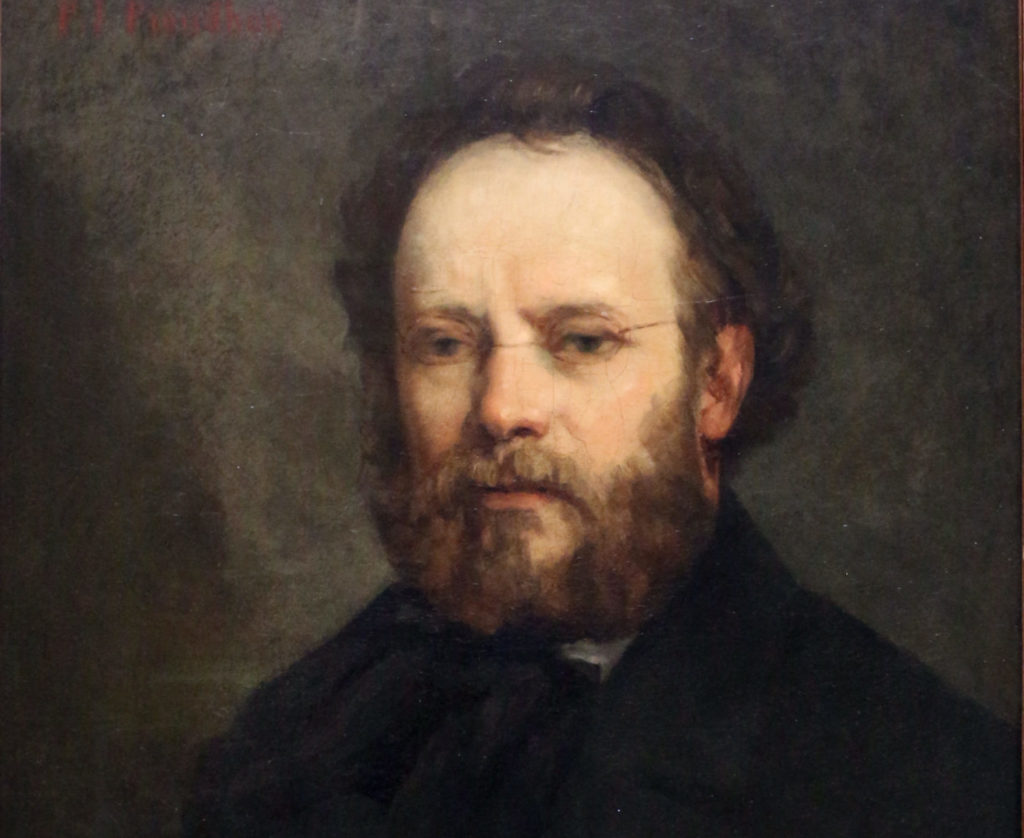
Since the French Revolution, democracy has often been contested in its representative form, and has never completely erased the authoritarian aspirations of certain schools of thought. Yet direct democracy has not escaped criticism.
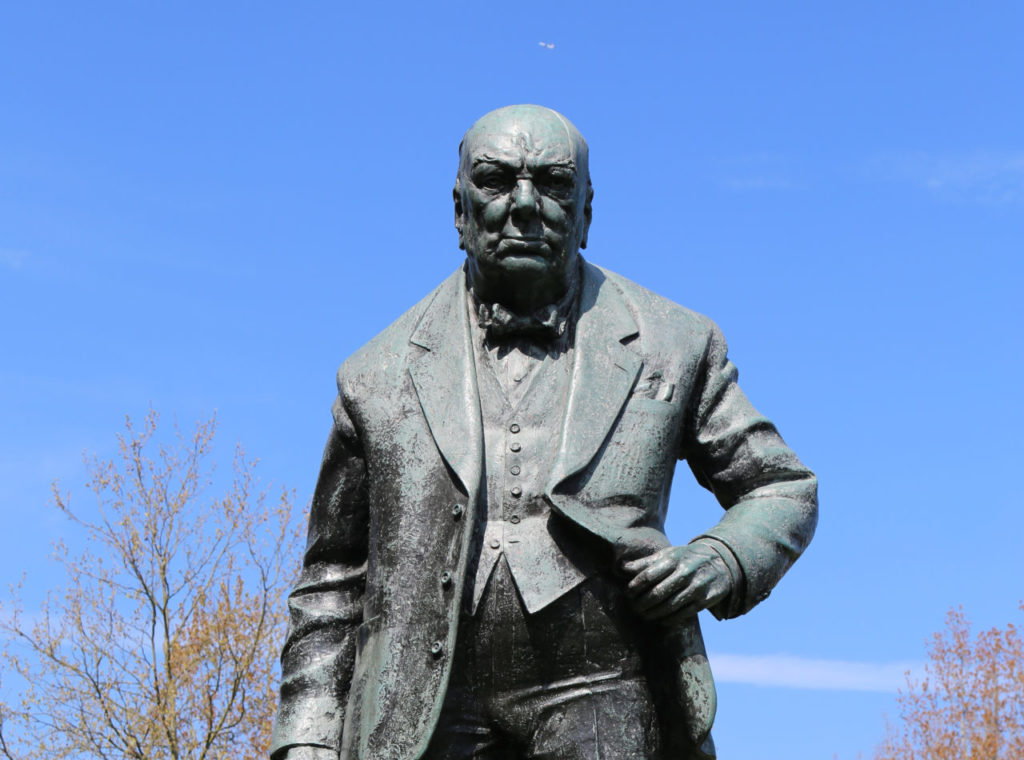
When he died sixty years ago, Winston Churchill was universally celebrated as Britain's saviour. Today, his statue is the target of vandalism. This deterioration in his image can be explained by several historiographical turning points.
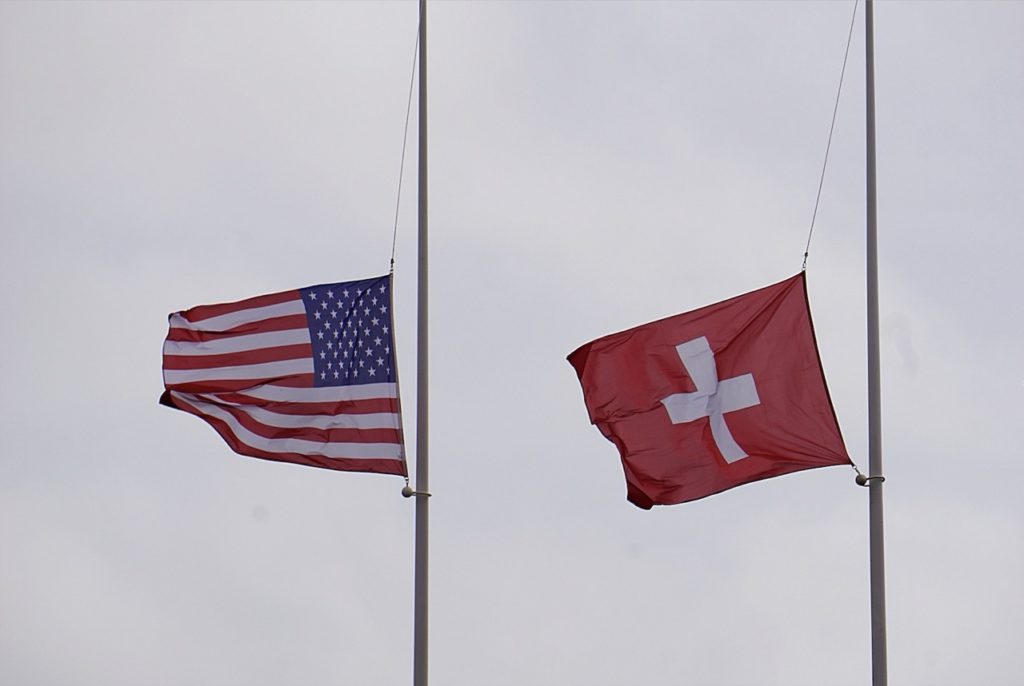
While Switzerland borrowed its federalist system from the USA, the growth of direct democracy across the Atlantic was stimulated by the Swiss model. This is the story of the common destiny of these two countries, which was not only played out in their capitals.
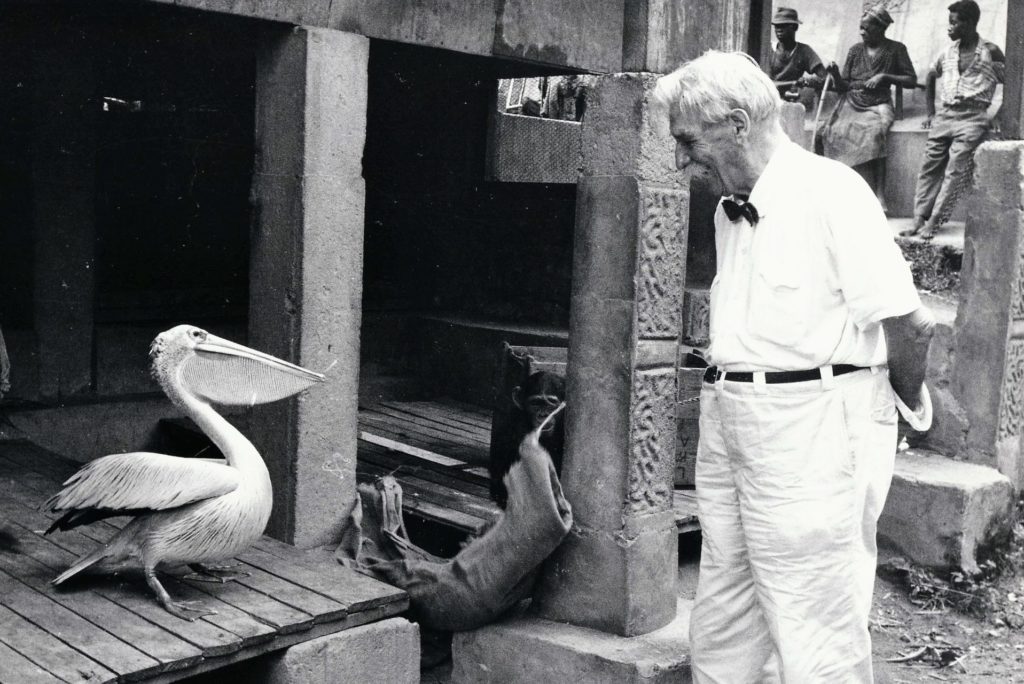
The Alsatian physician and pastor extended ethics far beyond human relations. Inspired by a revelation in the heart of Africa, he forged a universal ethic embracing people, animals and nature, prefiguring modern ecological ethics.
Journalist Marianne Grosjean sends out a message in each of her columns. This month, she reminds us that, from Antiquity to the present day, women have borne an essential responsibility.
The Council of Nicaea, to which a book has just been dedicated, deserves our full attention, so rare is it that decisions taken by an assembly 1700 years ago are still binding today.
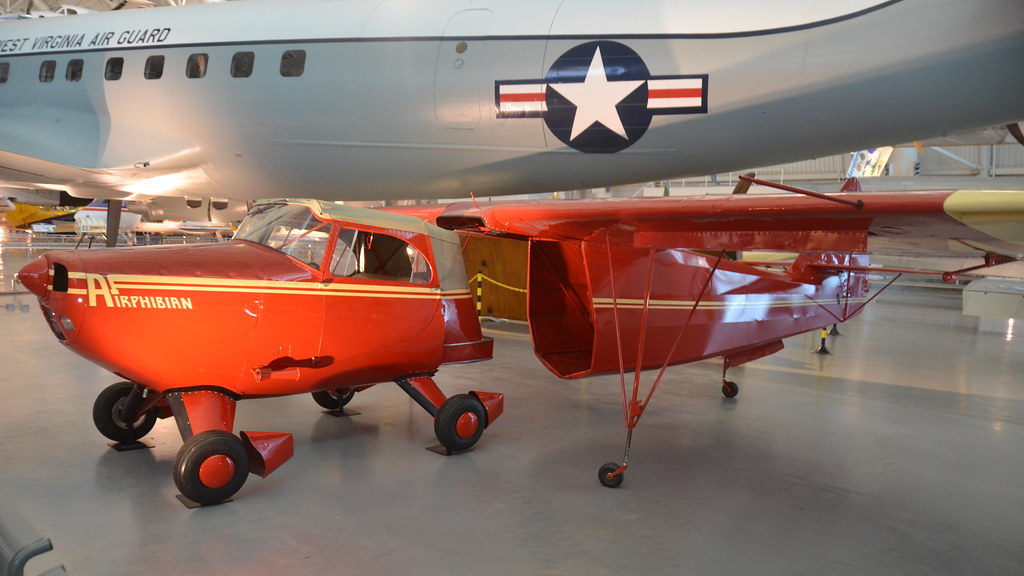
An object of fascination for over a century, the flying car embodies a missed opportunity. From promising advances to costly disappointments, its story tells of our disappointed hopes, our fear of risk and what our dreams of tomorrow say about our present.
In his column, the former Federal Councillor shares a book that has made a lasting impression on him. This month, he comments on the comic strip «I, Julius Caesar».
Switzerland doesn't like heroes, especially its own. That's not a problem in itself. Unless, that is, it removes the individual from history, at the risk of rendering it unintelligible. In this sense, Switzerland would do well to reappropriate its great figures.







 French
  German
  English