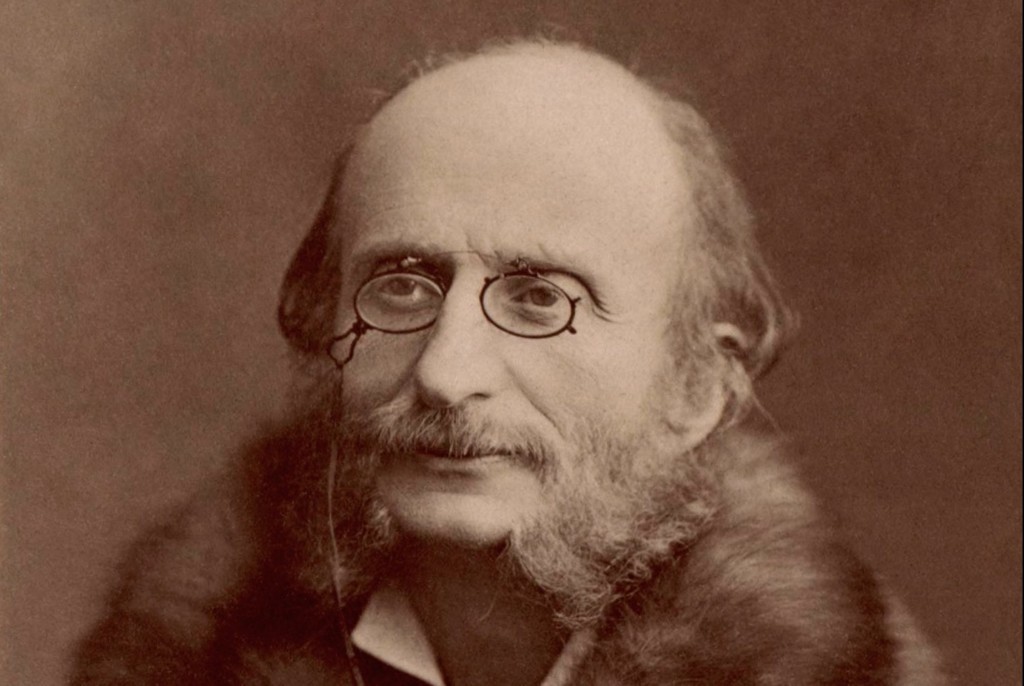
LONG-FORM ARTICLE, Jean-David Ponci | If modernity began during the Renaissance with the rediscovery of the ancient heritage, postmodernity may well have begun with the relativization of that heritage. Offenbach was thus the first to dare to bring the gods of Olympus to the stage in order to mock them. But there is never any gratuitous audacity in his work. His works reveal a comprehensive agenda of challenging the establishment: he explores sexual liberation and women’s emancipation. He mocks military might, questions the legitimacy of political power, and exposes the ridiculous aspects of bourgeois love… One might get the impression that he was nothing more than a street performer. In fact, humor was the only medium that allowed him to say what he would never have been allowed to express in a genre more serious than operetta.
Imagining the ideal Johnny Hallyday concert, song by song: Jonas Follonier and Daniel Wittmer played the game. The result, in pictures and texts.
Discoveries about his father, bisexuality, hypersensitivity, cocaine, criticism of the present age: William Sheller opens up in his autobiography, published in March, as well as in this exceptional interview, in which he assures us that he has stopped singing for good.
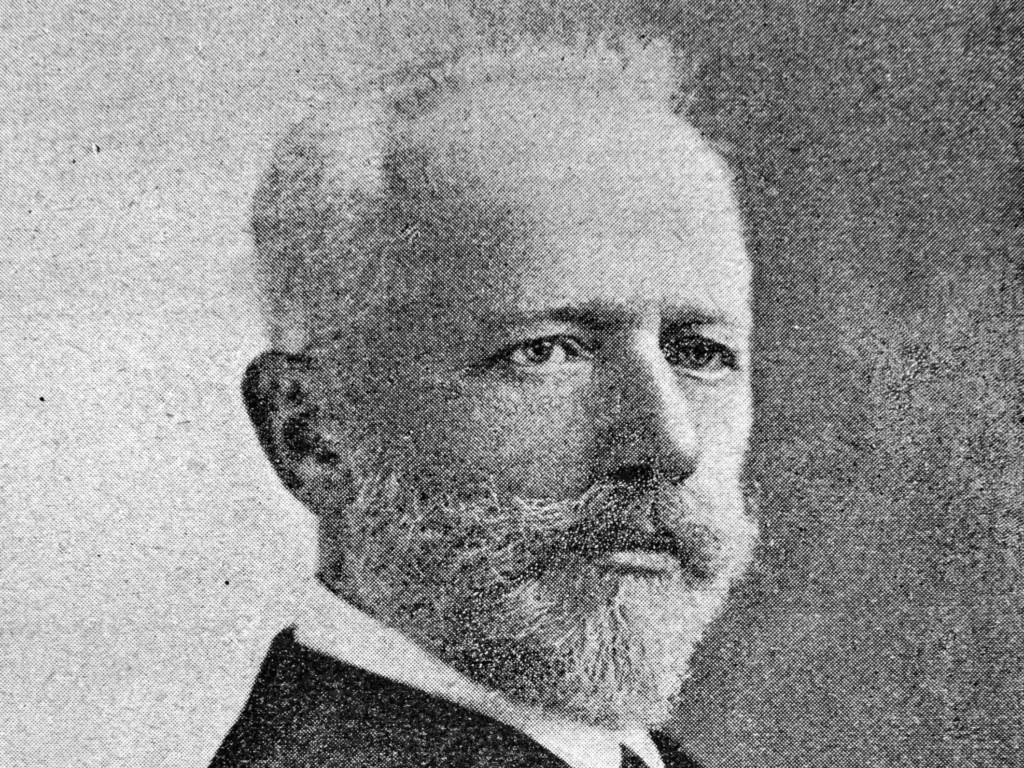
Beautiful misfortune, an oxymoron that well characterizes Tchaikovsky's music. Very sensitive, too sensitive, he suffered all his life from his homosexuality, from a certain mania for persecution, from lack of self-confidence, from the incomprehension of other musicians... Even if he was not the only man to suffer, he is undoubtedly the one who succeeded in expressing pain in the most poignant way. Not only are his melodies magnificent, but they lay bare his soul, seeming to rise from the depths of his distress to the heavens. Yet behind this fragility lies a man who knew exactly what he wanted, as shown by his determination to publish his works as they were, despite the critics, right up to his scheduled death, for which he composed his own requiem, the Pathétique.
ARTICLE LONG FORMAT, Jean-David Ponci | «Ah, you love Mendelssohn». At a social gathering, this is probably the composer whose praises you shouldn't sing too loudly. His music is too accessible to attract the interest of your interlocutor. The snob tends to forget that ease is a quality compatible with grandeur and beauty. Mendelssohn was considered the finest composer of his time, at least in England. Here's a little overview to help us get rid of our prejudices and discover what's original and profound about him.
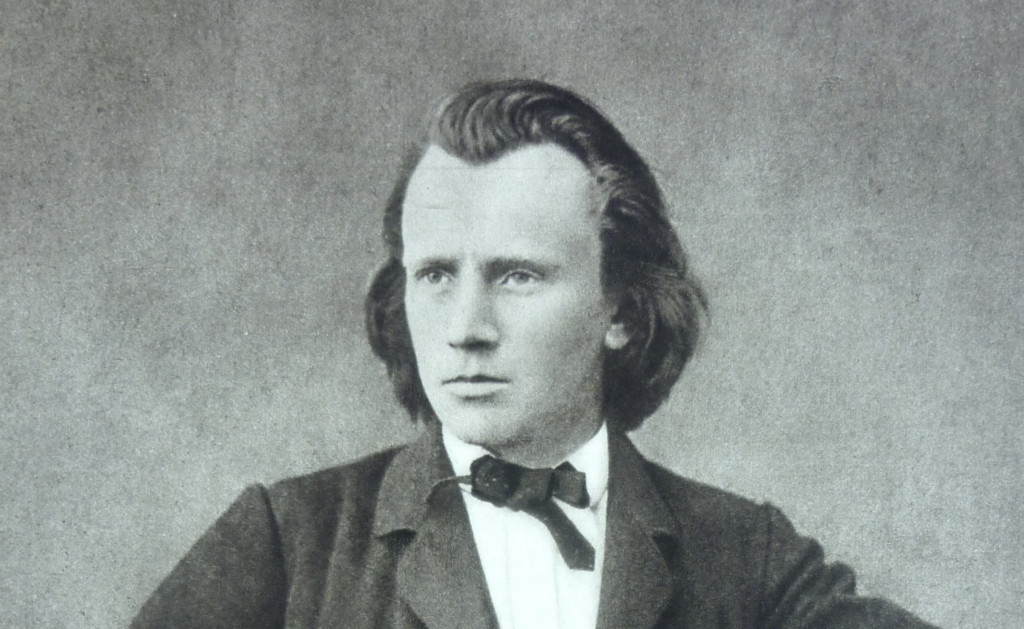
Brahms had a reputation as a misanthrope, and his music was often heavy and too academic. Brahms, a North German, had little love for France, and French composers never ceased to denigrate him. It was said that, thanks to his many trips to Italy, his sauerkraut was often sprinkled with ambrosia, the drink of the gods. It's true... Behind a certain heaviness, there are «divine» passages of intense beauty. That's why, if I had to take just one minute of music to a desert island, I'd take it from Brahms. Brahms is, in fact, a man deeply wounded by an unhappy childhood as a musician in a Hamburg harbor cabaret; but it is from this wound that the sublime music I would choose to keep arises. Perhaps this wound will also help us to understand him better, and to forgive him for his gaucheness.
The Christmas season has been over for a while now. But there's hardly a Christmas song that isn't still playing in our heads. The ones we hate in the stores or the ones we cherish under the tree. So why is our relationship with them so contradictory? And why does the music market continue to ride the «Christmas» wave? Perhaps and simply because, like every musical style, there are sub-categories. And in this case, there are two main ones: «melancholy» and «entertaining».
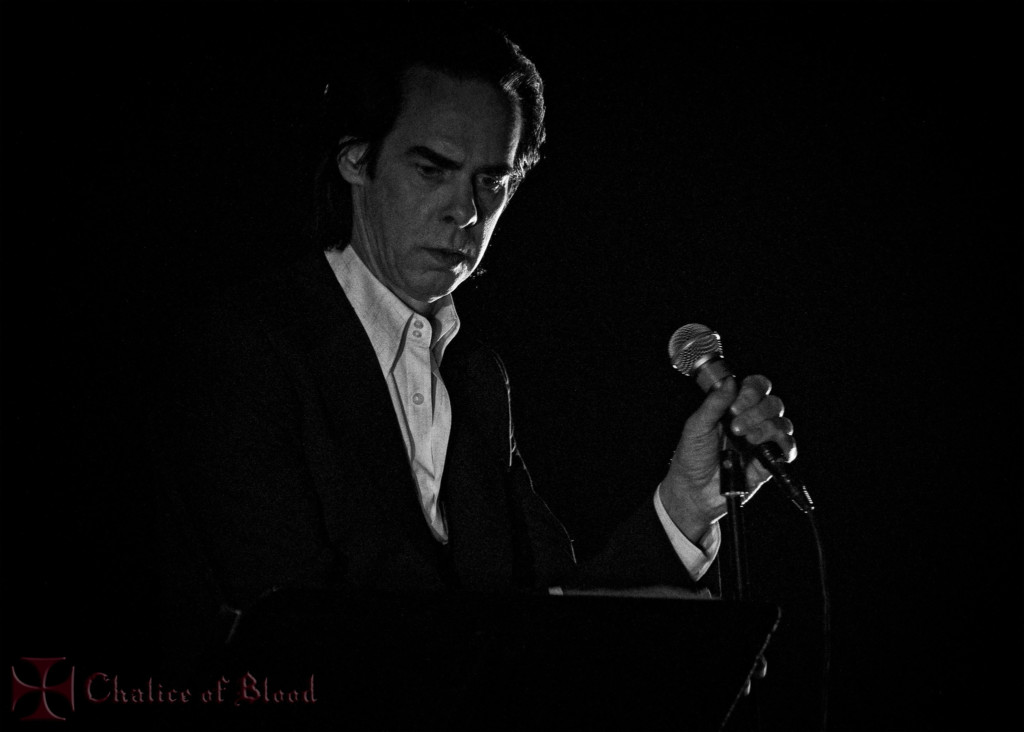
ARTICLE LONG FORMAT, Fanny Agostino | Long reluctant to answer journalists' questions, Nick Cave draws on conversations with his audience to rethink forty years of career in piano-vocal form. The Australian delivers a solitary, transparent recital. A magnificent confidence, with no escape and no cheating.
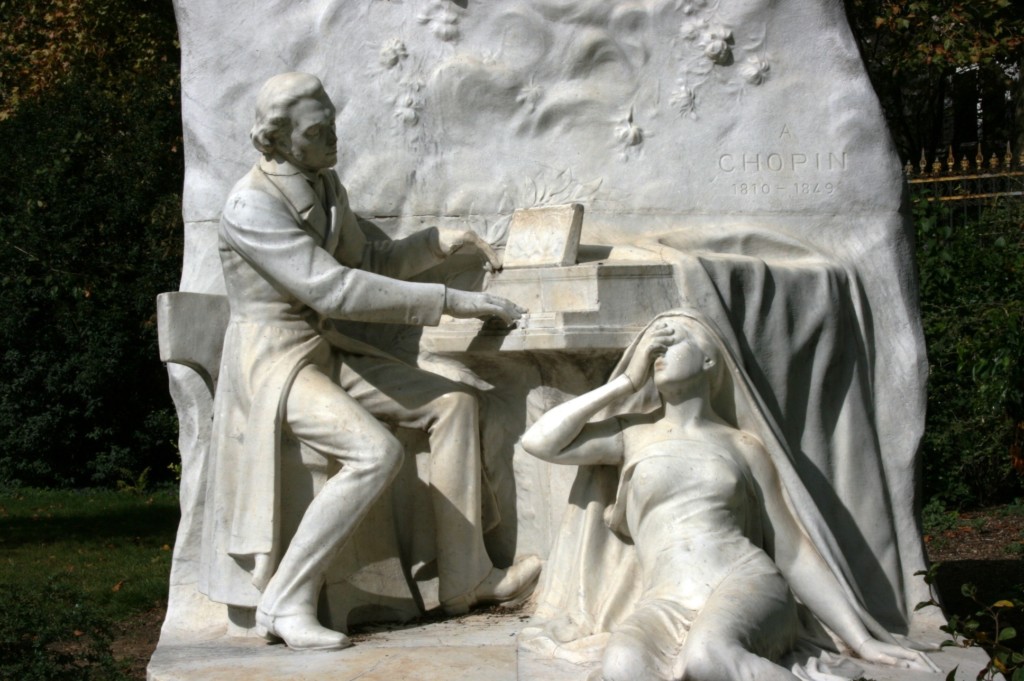
Chopin, exquisitely sensitive, a suffering, fragile, depressive musician... That's how we like to think of him. And yet, Robert Schumann described his music as «cannons buried under flowers». Chopin was in fact a political pianist, a symbol of free Poland. He was also a man of many connections, which is why he was friends with so many famous artists. He wasn't a stage animal like Liszt, but he knew how to be charming and funny. The expression "weapons among roses" also applies to his music: the pleasant, classical, almost rosewater melody is often accompanied by a daring harmony, unique to him, that makes his compositions brilliant.









 French
  German
  English