Pragmatism in politics, well regarded in Switzerland, obviously has its good points. But it also has its risks. And these are devious. Editorial by Jonas Follonier
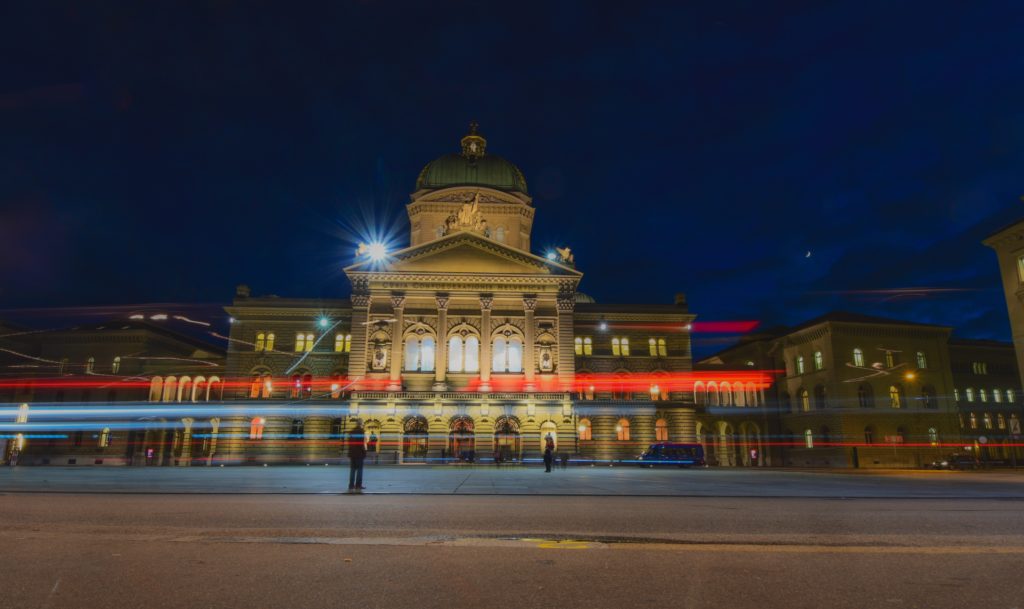
Surrogate motherhood is not legal in Switzerland. Like other bioethical issues, it marks a deep division between conservatives and progressives. This is an opportunity to attempt a definition of these terms, a few months ahead of the federal elections.
In the mid-2000s, faced with China's rise to power, the idea emerged of a necessary and close collaboration between China and the United States. Since then, so much has changed in the Sino-American relationship that the future does not bode well. But perhaps it could have been otherwise.
After a long career as the face of political journalism in French-speaking Switzerland, Alain Rebetez tells the Helvetians all about France, as Tamedia's Paris correspondent. Five years after his arrival, we take stock of his mission and the differences between the two countries.
Once, they were the emancipating free spirits. Today, they want to rule everything. A short history of the left's descent into hell, particularly in Germany, but also to some extent in Switzerland.
The history of Swiss political parties is rich and complex. However, it reveals a certain continuity through which they learn to renew themselves as direct democracy, and the evolution of society it often reflects, impose new themes on their agendas.
As if its lacklustre sporting results weren't enough, Paris Saint-Germain (PSG) finds itself in open conflict with Paris City Council over its stadium. And not just over money.
Systemic racism« is rife in Switzerland. At least, that's the view of the Swiss Confederation, which has published a report on the subject. According to Olivier Delacrétaz, editor of »La Nation«, the effects of this postulate, which is not based on any evidence, could be counter-productive.
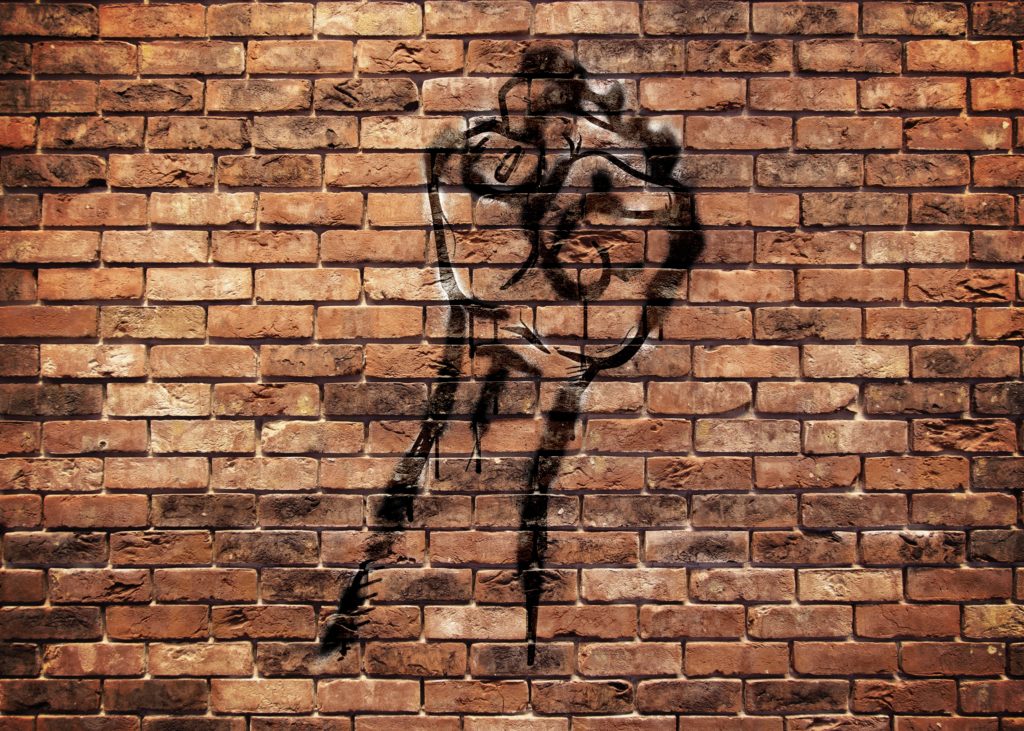
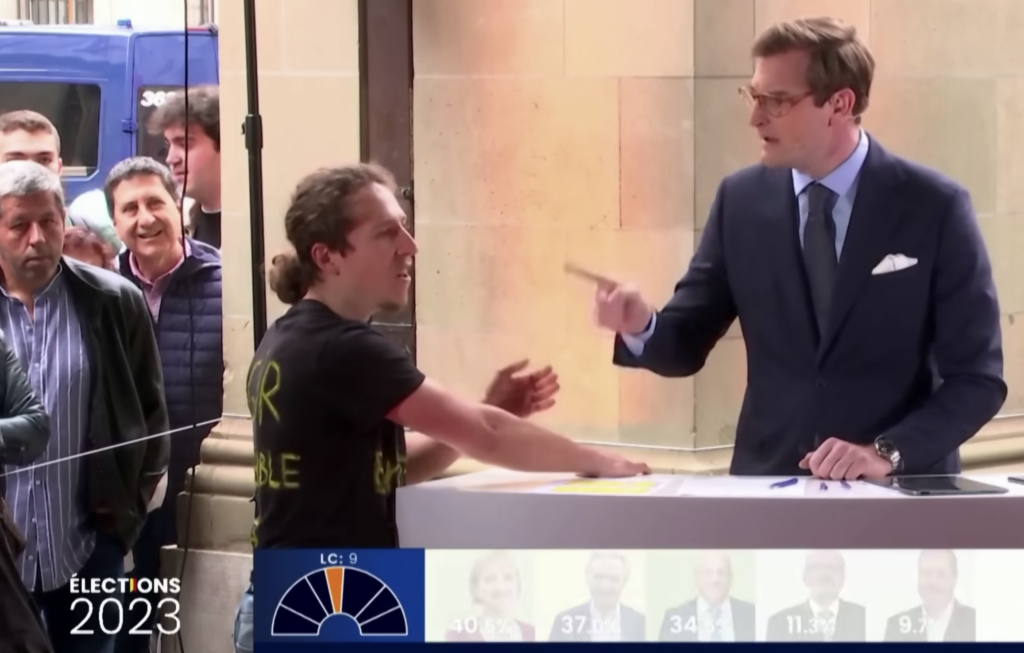
In recent years, climate activists have regularly taken public space hostage. It doesn't seem to bother them that this form of action is having difficulty winning over the general public: by their own admission, they don't want to rally.









 French
  German
  English