



Washington, Pyongyang and the red telephone
A look at the news - Loris S. Musumeci
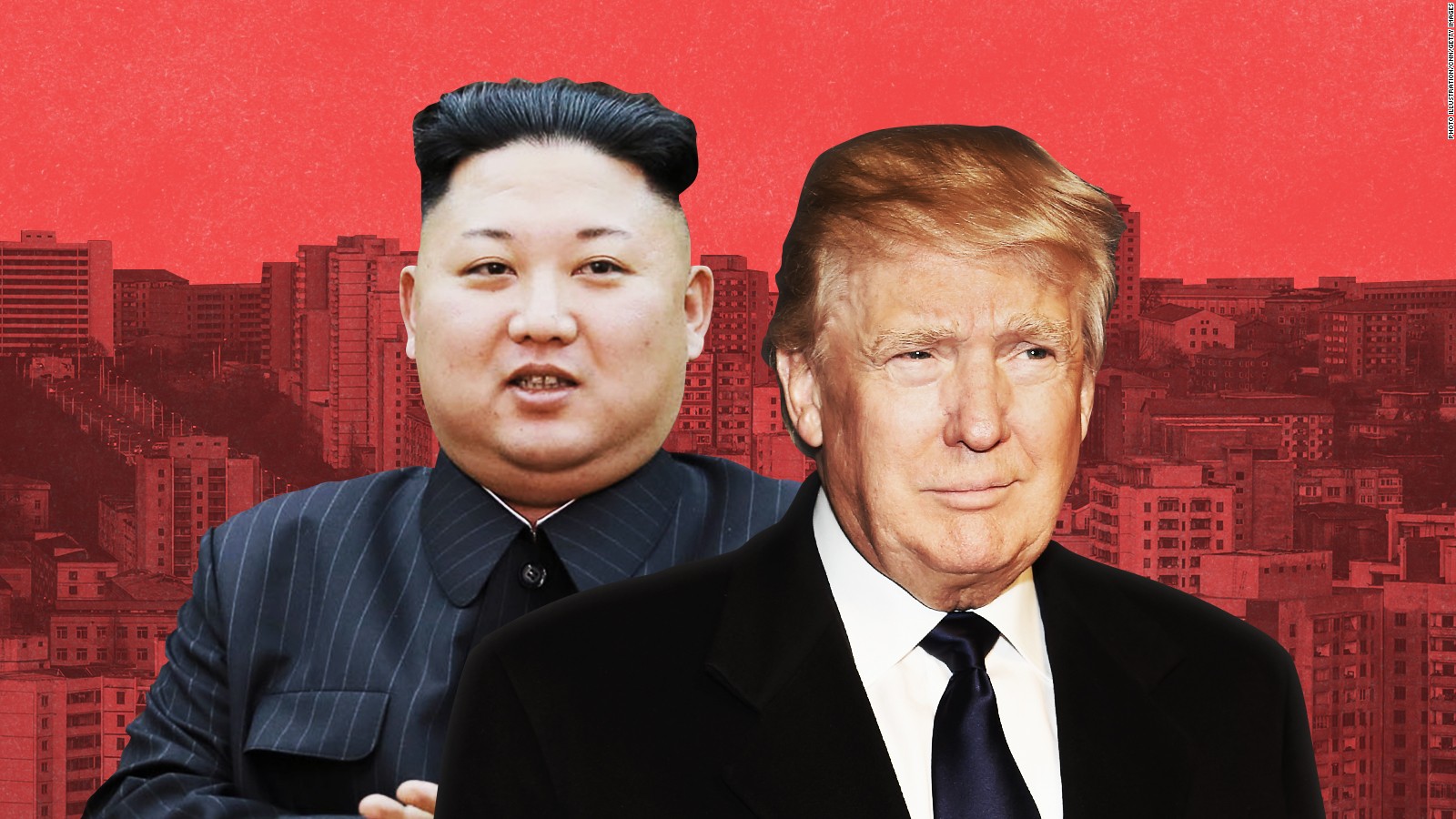
Tensions escalated in the blink of an eye. Following North Korea’s missile launches on July 4, 8, and 28, Donald Trump left no doubt as to the stance he intended to take toward Kim Jong-un. On Tuesday, in a sudden outburst, he promised his enemy «fire and fury like the world has never seen.» This culmination of bellicose rhetoric was reminiscent of Harry Truman’s rhetoric in 1945, when he declared to the Japanese that «a rain of destruction from the air, the like of which has never been seen on this Earth» would be unleashed upon them.
Suddenly, the leader of the Democratic People’s Republic of Korea (DPRK) directed his first threat at the island of Guam. Continuing in apocalyptic terms, he declared that this U.S. territory near the Korean Peninsula would be «engulfed in fire.» As for the U.S., unsurprisingly, it would become «an ocean of fire.» That is precisely what is at stake with intercontinental ballistic missiles.
«That's a statement.»
On Thursday, feeling he hadn’t been harsh enough, the White House official lashed out at his opponent in a more personal tone. «He has shown a great lack of respect for our country. He has said some horrible things. And with me, he’s not going to get away with it like that.»
Meanwhile, North Korea’s official news agency announced that its military would be on Guam by August 15. This did nothing to calm tensions, and in fact only fueled the verbal escalation. «Let’s see what Kim Jong-un does with Guam. If he does anything to Guam, what will happen in North Korea will be an event unlike anything seen before. […] He’s not going to keep threatening Guam. And he’s not going to threaten the United States. And he’s not going to threaten Japan. And he’s not going to threaten South Korea.» He concluded by clarifying that «this is not a challenge; it’s a statement.»
Strategic patience that was regretted
While Donald Trump’s firm stance has been praised by his supporters, it has been less well received by his opponents, even among Republicans. John McCain concludes that the president’s impulsive behavior is «incredibly dangerous because it encourages our adversaries to want to test him.» « He added, more cynically: »You have to be able to do what you say.« This implies that, according to McCain, the prolific »tweeter” has no real plan.
The international community, for its part, is not in a position to openly criticize Trump, given that there is unanimous agreement on the enemy they face. Nevertheless, many—including both experts and politicians—point to Barack Obama’s more measured approach. Obama, for his part, was a proponent of «strategic patience,» focusing on three pillars: the development of a missile defense system, the escalation of sanctions, and close dialogue with China.
Chinese Dialogue
From now on, it effectively serves as a balancing force. Its role is crucial. After accepting the economic sanctions imposed by the United Nations against its faltering communist ally, it now seeks to steer a course between dialogue with the DPRK and with the world’s major powers. It also expresses an ambition to maintain «regional stability on the Korean Peninsula.» Nevertheless, in his quest for greater independence, the heir to the Kim dynasty is gradually distancing himself from the friendship with China forged by his grandfather and father in their time.
Until Saturday, Xi Jinping had been the focus of discussions, and he intends to remain so. His interests lie entirely in maintaining peace, however illusory it may be. He therefore asked the U.S. president, in a phone call, «to avoid words and actions that could cause the situation to escalate.» Such a stance offers a glimmer of hope that calm can be restored. China appears to believe that neither the U.S. nor North Korea has crossed the point of no return. While both leaders are very proud and committed to their honor, they certainly enjoy a bit of drama. And consequently, they know how to trade insults while remaining level-headed.
That is the optimistic scenario. Yet the situation is alarming, because—whether justified or not—even the slightest nuclear deployment would result in hundreds of thousands of deaths, starting with the two Koreas and Japan. The tension reminiscent of October 28, 1962, during the Cold War may well persist for days, or even months, to come; and the establishment of a «hotline» is still pending.
Write to the author : loris.musumeci@leregardlibre.com
Photo credit: © cnn.com
You'll also like



 French
  German
  English
Leave a comment