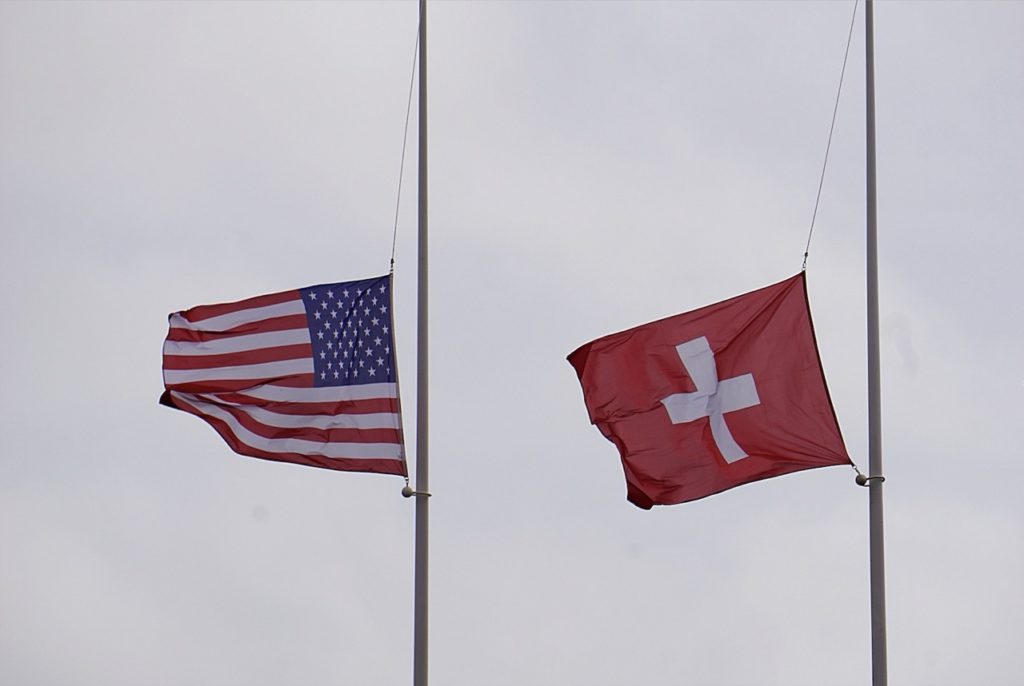
While Switzerland borrowed its federalist system from the USA, the growth of direct democracy across the Atlantic was stimulated by the Swiss model. This is the story of the common destiny of these two countries, which was not only played out in their capitals.
With its hostile territory, Switzerland had to find another recipe for success. So it developed a counter-model. In his essay L'identité suisse au défi, former diplomat Paul Widmer looks at the ingredients of Swiss success, the better to perpetuate it.
The militia system is criticized far and wide. However, its critics miss its own logic, which, along with federalism and direct democracy, contributes to the institutional construction of Switzerland, and thus to the country's identity.
Militia system, productivity, neutrality... In his essay «La Suisse n'existe plus» (Switzerland no longer exists), Nicolas Jutzet, project manager at the Institut libéral, shows that the idea we have of this democratic and economic model no longer really reflects reality.
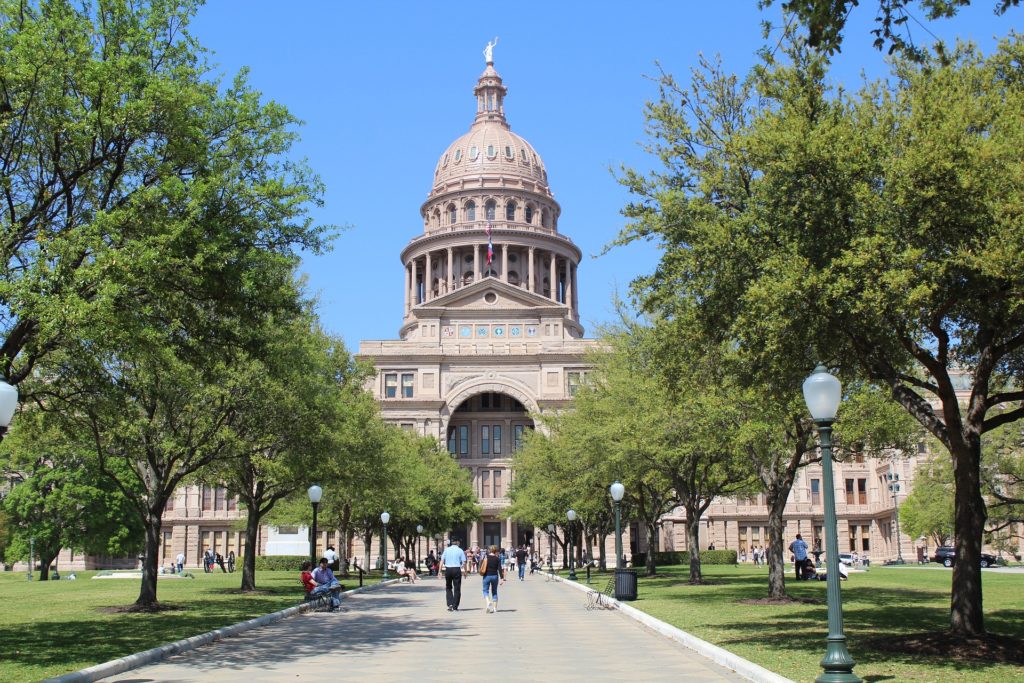
Federalists and anti-federalists clashed violently during the renewal of the American constitution in the second half of the 18th century. Like no other in history, this divide sheds light on the debate between the center and the periphery. It's hard not to see it as a reflection of contemporary issues.
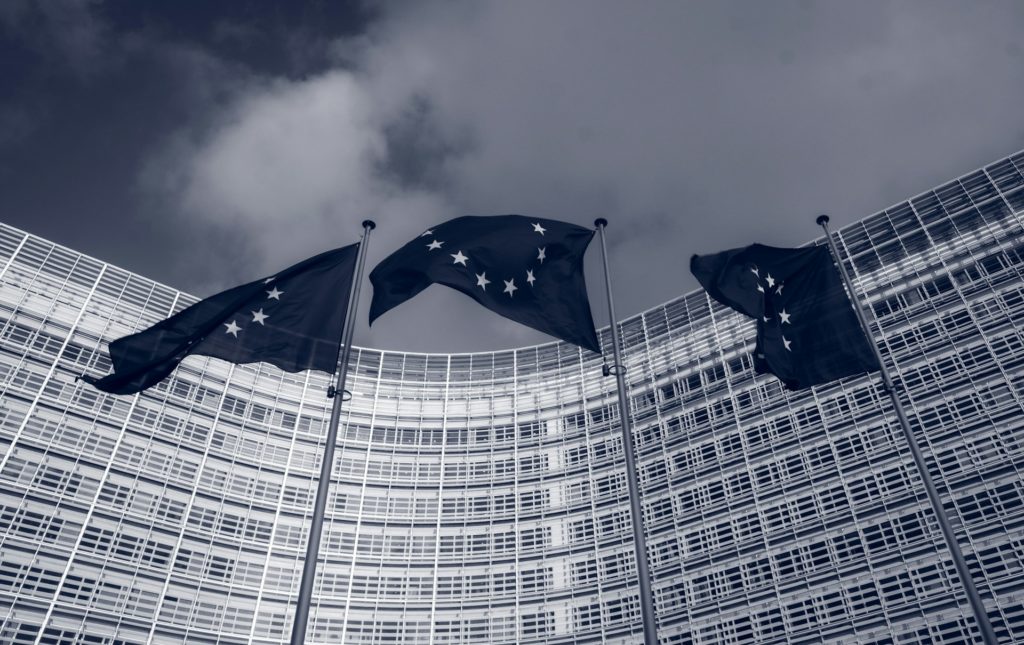
FEATURE: «DID YOU SAY EUROPE?», Antoine-Frédéric Bernhard | He is a major intellectual figure of the 20th century—a Swiss, no less—yet one we hear very little about. Lack of interest is undoubtedly a major factor, since Denis de Rougemont’s entire body of work has been available for free online since 2020, thanks to the efforts of several researchers at the University of Geneva. This prolific writer devoted a large part of his work to Europe, which he saw as caught between the two superpowers, the United States and the Soviet Union. In his 1970 *Open Letter to Europeans*—a plea for European cultural identity—the Geneva-based writer advocates for the idea of full federalism, grounded in a regionalism opposed to all forms of modern nationalism. His reflections on European unity are more relevant than ever. Here is a brief overview.
It seems to be a foregone conclusion: if Switzerland’s political system did not include the tool of federalism, the management of the COVID-19 pandemic...
Considered by some as the «China of Africa» in the 2000s and 2010s, Ethiopia looked set to enjoy a new prosperity as it opened up to the world, a far cry from the famines and wars of the past century. How could such promises have been lost, and Ethiopia plunged into civil war?
Over the next few decades, Europe will undeniably face numerous challenges at technological, political, institutional, military, identity, cultural, religious, social and environmental levels. But what role should it play?










 French
  German
  English