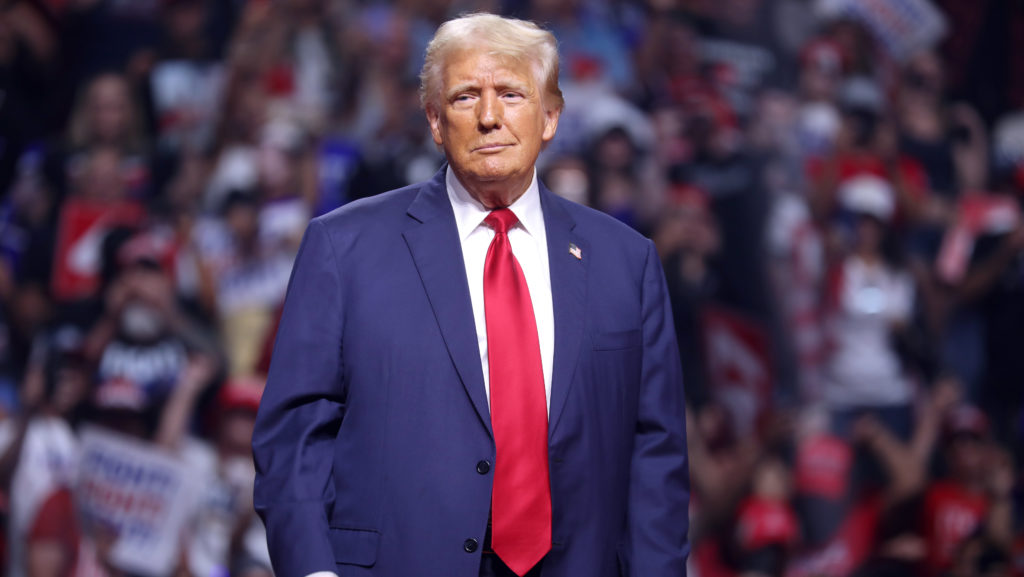
American tariffs symbolize the resurgence of mercantilism. Imperial withdrawal, scarcity of resources, militarized trade: with the end of free trade, the global economy is reverting to its old reflexes. A zero-sum game in which all lose, except those who dictate the rules.
Ferréol Delmas, who criss-crosses France with his Ecologie Responsable think-tank, is convinced that ecology can and must be rooted in the regions and based on entrepreneurship. In short, right-wing. Interview.
The economic success of the West was made possible by the valorization of bourgeois virtues and freedom. They were ignited in 1848. Switzerland is a perfect example.
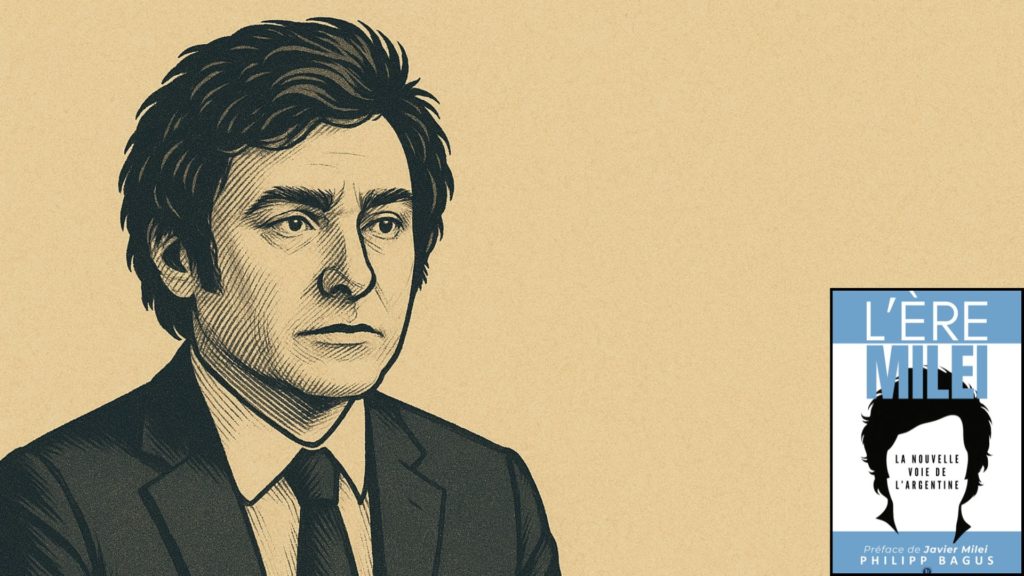
Although economist Philipp Bagus's «The Milei Era» sometimes lacks critical distance from its subject, this book has the great merit of placing the rise of the Argentine president in the most fundamental aspect of politics: the battle of ideas.
Economics is a language of models and equations. Yet its foundations are philosophical. Giving heterodox currents back their rightful place means restoring the vitality and pluralism of this discipline - and thus its link with liberalism.
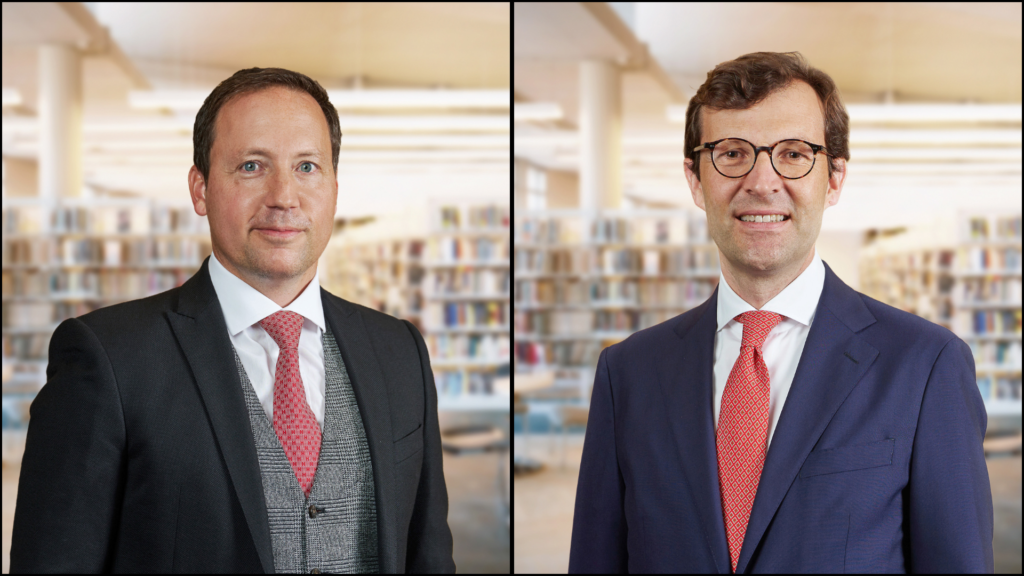
The founders of Lucerne's Institute for Economic Policy (IWP) were awarded the Bonny Foundation's Freedom Prize 2025 on Thursday in Berne. The Foundation praised the contribution of these two «intellectual entrepreneurs» to debate and knowledge.
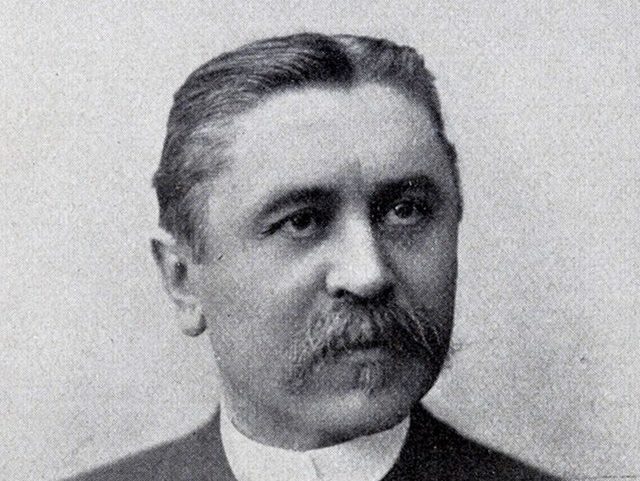
A recent book by historian Olivier Meuwly invites us to take a closer look at this Neuchâtel native, who was elected to the Swiss government at the age of 31. An inspiring figure in his own right, this radical who became a liberal-conservative over time retains an air of mystery about him.
His reporting and exile took him to the four corners of Europe to document the upheavals of his time. Today, Seville's Manuel Chaves Nogales has re-emerged as the best Spanish journalist of the 20th century.
French essayist Samuel Fitoussi publishes «Pourquoi les intellectuels se trompent», an incisive essay on the mechanisms that drive certain brilliant minds to defend absurd ideas, with sometimes disastrous consequences.










 French
  German
  English