THE AMERICAN DREAM IN THE AFTERMATH OF THE PRESIDENTIAL ELECTION (1/4). Increasing polarization, defeat of the polls and the Democrats... This series of articles aims to present some lessons to be learned from Donald Trump's new election as head of the United States.
While disparities in representation between men and women remain persistent at the highest decision-making levels, the arrival of some women in power reveals dissensions over the very nature of the «women's cause».
French essayist Mathilde Berger-Perrin, author of «Ayn Rand, l'égoïsme comme héroïsme», believes that the market economy is women's best friend. She urges them to expect less from the state.
Among the various forms of feminism, two main currents can be identified. The universalists, like Elisabeth Badinter, believe that women should have the same individual rights as men. The others, faithful to a more recent narrative, make friends with Islamists in the name of their communitarianism - and don't stop at this paradox.
Anouck Saugy, president of the Femmes PLR du canton de Vaud, refused to attend the feminist strike last June. Once united around a common cause, this movement has become, in her view, a divisive force.
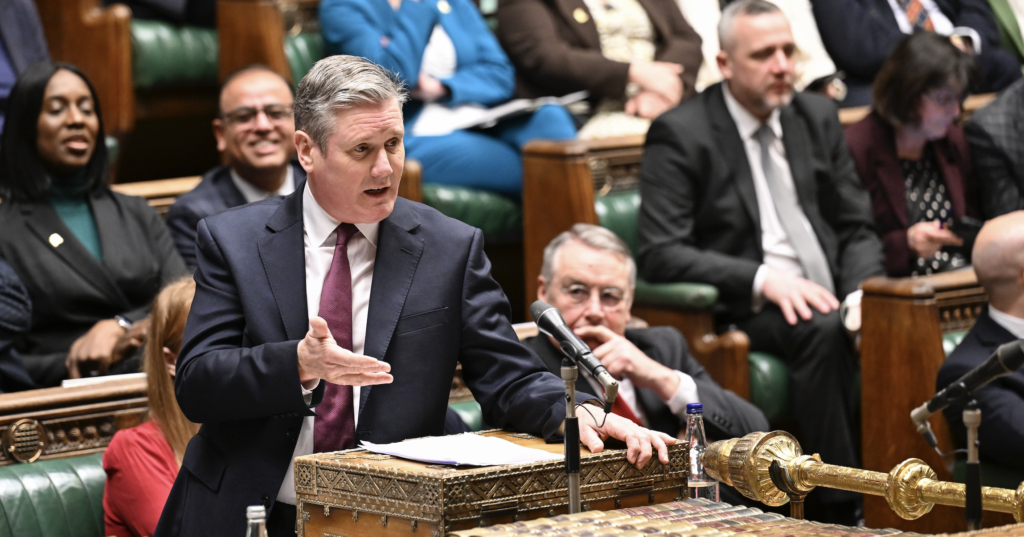
The British Labour Party won last July's election thanks to the support of an electorate committed to a restrictive migration policy. However, it remains to be seen whether Labour will be able to deliver on its promises in this area.
In this article, Nabil Djarfi describes the French government regime as «the capitulation of the critical spirit to the partisan principle». He regrets that clan logic prevails over facts and arguments.
In countries where the state is underdeveloped, volunteer civic engagement is flourishing, as shown by this report from 2019 in a Burmese emergency service, among section chiefs in Sierra Leone and in the search for missing persons in Belarus.
The shortcomings of the militia principle enshrined in Swiss DNA would be even more pronounced in a more professionalized system.













 French
  German
  English