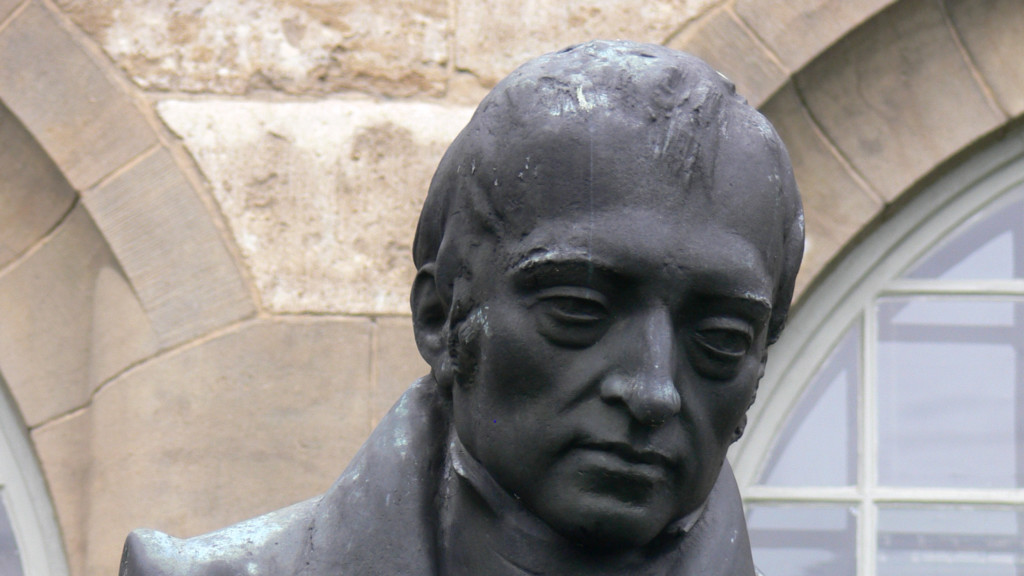
Each month, Le Regard Libre presents a philosopher whose thinking differs from, or even runs counter to, certain clichés circulating about him or her. In this article, historian of philosophy Daniel Schulthess explains how Adam Smith's famous concept of the «invisible hand» made him one of the fathers of economics and liberal thought. But our guest editor also shows that Smith, in his work, proposes a different vision of human beings and society than the current proponents of «neo-liberalism», as defined in this article.
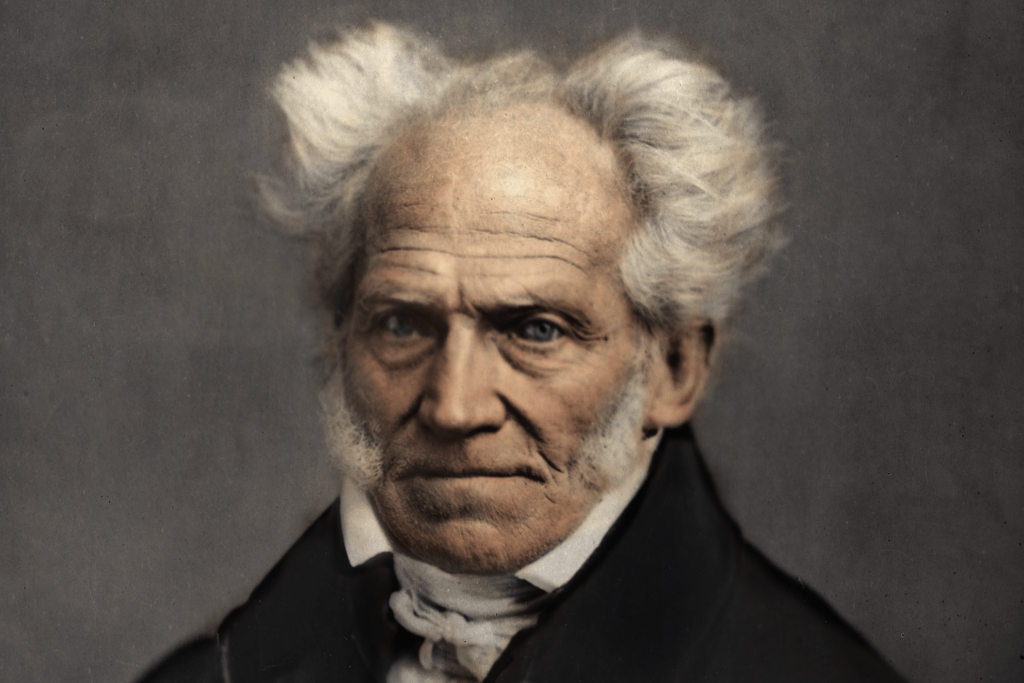
LONG FORMAT ARTICLE, Danilo Heyer | We often hear the refrain: «We must be neither pessimistic nor optimistic, but realistic! So let's not sugarcoat the future. But it's an inadequate position for anyone who wants to know whether the world is essentially good or bad; whether life is worth living; whether existence can be justified. To do so, one would have to make a metaphysical judgment of which this realism is quite incapable. Arthur Schopenhauer, the 19th-century German philosopher, is best known for his radical pessimism. But would he have offered the world anything more than an embittered philosophy, as is sometimes claimed? A careful reading reveals a surprising mix of pessimism and optimism at the heart of a practical philosophy that proves lucid and of great help to everyone. After all, is happiness attainable?
LONG FORMAT ARTICLE, Enzo Santacroce | Nietzsche, the multi-faceted philosopher, was as much reclaimed and hijacked by Nazi ideology as by the anarchist forces driving the students of May '68. How can we explain the fact that the thinking of this brilliant mind has been co-opted by both brown and red? The German philosopher's fragmented and deliberately shocking statements certainly contributed to his misunderstanding. However, his lucid critique of a Western society now living without transcendence is highly topical, in that the only acceptable value today is that of health, understood as the annihilation of suffering. Aware of this decline early on, Nietzsche developed a tonic response based on the will expressed by the body, finally rehabilitated in its desiring dimension.
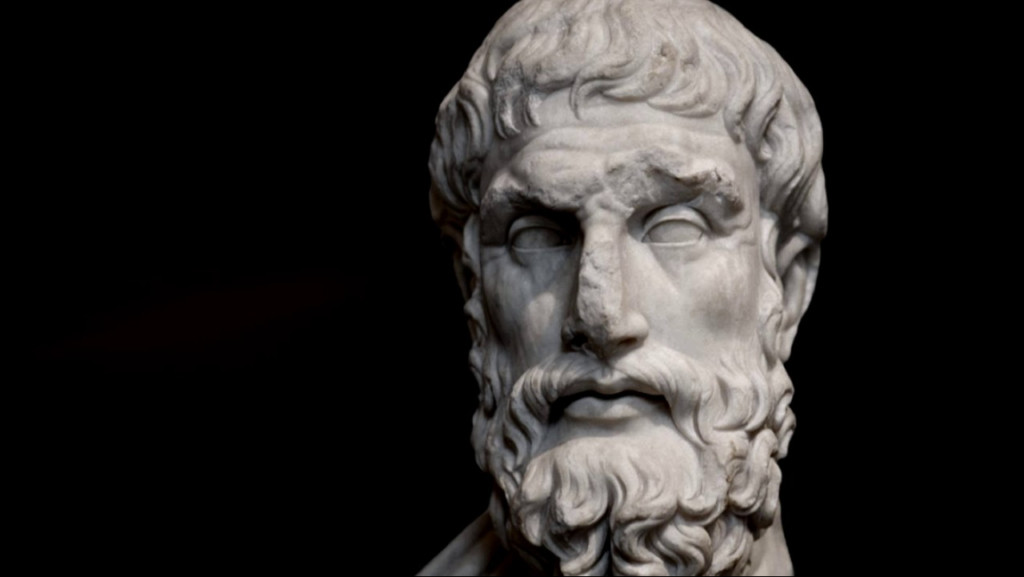
ARTICLE LONG FORMAT, Antoine Vuille | Each month, a guest editor examines a cliché about a philosopher. For once, this article focuses on a prejudice about philosophy itself. To understand what this discipline is and what it's for, we need to break down two clichés about it: the first concerns its object, the second its method.
Le Regard Libre N° 77 - Enzo Santacroce «Prejudice against philosophers» series, episode #2 If ever there was a philosopher...
Each month, Le Regard Libre presents a philosopher whose thinking differs from, or even runs counter to, the clichés that circulate about him. Historian Olivier Meuwly opens the ball by arguing that Georg Wilhelm Friedrich Hegel did not advocate an authoritarian state. On the contrary, our guest editor locates certain theoretical foundations of liberalism at the heart of the Hegelian system. Direct democracy itself is no stranger to the German's vision, according to the historian.







 French
  German
  English